Coconut Palm
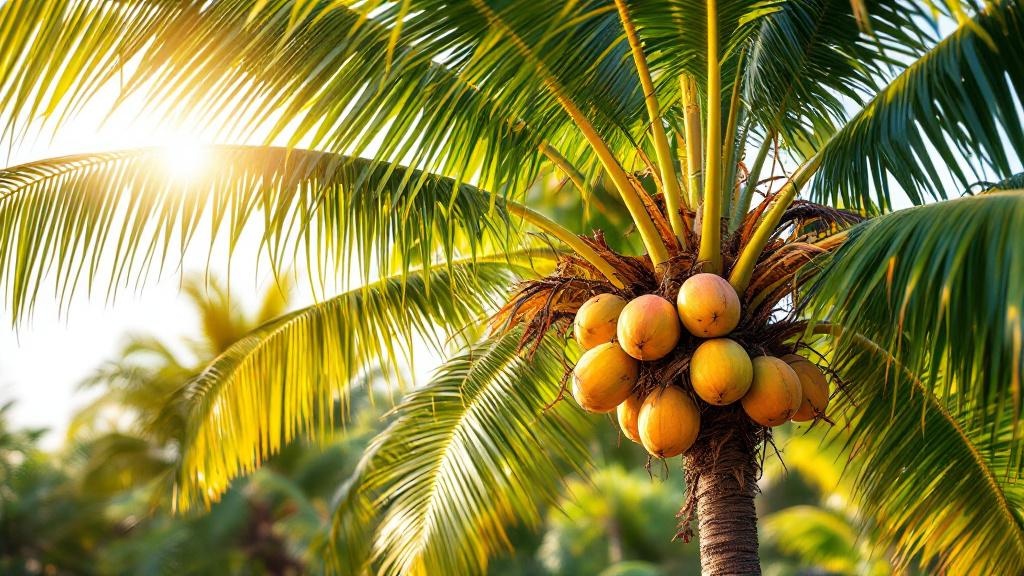
The Coconut Palm captures the essence of tropical paradise, but growing one in a temperate climate is genuinely challenging. Most people searching for Coconut Palm care want to know one thing: can it actually survive indoors in colder regions? The honest answer is yes, but with significant effort. This iconic palm demands high humidity, constant warmth, and intense light year-round, making it a true test for dedicated indoor gardeners who want to bring the tropics home.
Watering Your Coconut Palm Correctly
Water your Coconut Palm when the top 2-3 cm of soil feels dry, typically every 5-7 days in summer and every 10-14 days in winter. Use lukewarm water and ensure thorough drainage, as cold water shocks the roots. Never let the palm sit in standing water, but also never allow the soil to dry out completely. In heated winter rooms with low humidity, check moisture levels more frequently.
Light Requirements for Indoor Coconut Palms
Coconut Palms need at least 6 hours of direct sunlight daily, which is their biggest challenge in temperate climates. Place yours in a south-facing window from March through October. During the darker months from November to February, supplement with a full-spectrum grow light for 10-12 hours daily. Without adequate light, fronds yellow and growth stalls completely.
Soil and Repotting Guidelines
Use a fast-draining palm soil mix with 30-40% sand or perlite added for drainage. Coconut Palms resent root disturbance, so only repot when absolutely necessary, typically every 2-3 years in spring. Choose a pot only slightly larger than the previous one with excellent drainage holes. Keep part of the coconut husk visible above the soil line.
Temperature and Humidity Needs
Maintain temperatures between 20-30°C year-round, with an absolute minimum of 18°C. This palm will not tolerate cold drafts, so keep it away from windows during frosty nights between November and March. Humidity should stay above 60%, which requires a humidifier in most temperate homes during winter when central heating runs. Mist fronds daily or place on a large pebble tray.
Fertilizing Schedule for Healthy Growth
Feed monthly from April through September with a balanced liquid palm fertilizer diluted to half strength. Include a palm-specific fertilizer containing magnesium and manganese twice during the growing season to prevent frond yellowing. Stop fertilizing completely from October through March when growth naturally slows. Over-fertilizing causes salt buildup and root burn.
Common Problems and Solutions
Spider mites thrive in the dry indoor air of heated temperate homes, appearing as fine webbing on frond undersides; increase humidity and wipe leaves with neem oil solution weekly. Scale insects cluster on frond stems and appear as brown bumps; remove manually with rubbing alcohol on cotton swabs. Yellowing lower fronds often indicate magnesium deficiency common in palms; apply Epsom salt solution monthly during growing season.
Frequently asked questions
Can Coconut Palm survive indoors in cold climates?
Yes, Coconut Palms can survive indoors in temperate climates, but they require consistent warmth above 18°C, very high humidity, and supplemental lighting during winter. They will not fruit indoors and growth will be slower than in tropical conditions. Expect a decorative houseplant rather than a productive tree.
Why are my Coconut Palm leaves turning yellow?
Yellowing Coconut Palm leaves most commonly indicate magnesium or manganese deficiency, which is typical in potted palms. Apply a palm-specific fertilizer containing these micronutrients during the growing season. Other causes include insufficient light, overwatering, or cold temperatures below 18°C.
How often should I water a Coconut Palm indoors?
Water your indoor Coconut Palm every 5-7 days in summer and every 10-14 days in winter when the top 2-3 cm of soil feels dry. The key is consistent moisture without waterlogging. In dry heated rooms during winter, check soil moisture more frequently as conditions vary.
Will a Coconut Palm produce coconuts indoors?
No, indoor Coconut Palms in temperate climates will not produce coconuts. Fruiting requires full tropical sun, outdoor growing conditions, mature trees at least 6-10 years old, and cross-pollination. Your indoor palm is purely ornamental but can still grow impressive fronds with proper care.
Is Coconut Palm toxic to cats and dogs?
No, Coconut Palm is non-toxic to cats, dogs, and other pets. All parts of the plant are safe, making it a good choice for pet-owning households. However, curious pets may damage the fronds, so consider placement that protects both plant and pet.