Blushing Philodendron
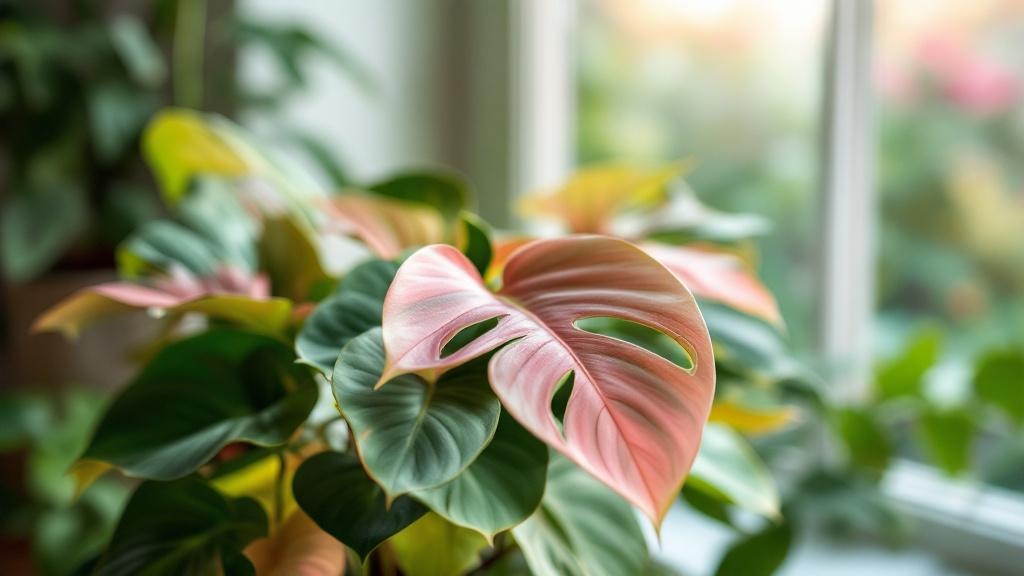
The Blushing Philodendron (Philodendron erubescens) is prized for its beautiful red-blushed foliage and climbing growth habit, making it a natural choice for trellises and moss poles. In temperate homes, the main care challenge is maintaining humidity and avoiding overwatering—two things this tropical climber is sensitive to. This guide will help you master the essentials.
Watering Guide for Blushing Philodendron
Water thoroughly when the top 2-3 cm of soil feels dry to the touch—typically every 7-10 days in growing season (April to September) and every 10-14 days in winter. Blushing Philodendrons dislike soggy roots, so always ensure the pot drains freely and remove excess water from saucers. In central European heating season (October to March), reduce frequency significantly as evaporation slows indoors.
Light Requirements
This plant thrives in bright, indirect light—a spot near an east- or north-facing window is ideal. Direct afternoon sun can scorch the delicate red undersides of new leaves, especially in summer. If your home is dimly lit, supplement with a grow light positioned 30-45 cm above the plant to encourage vibrant red coloring and prevent leggy growth.
Soil & Repotting
Use a light, airy potting mix—combine standard houseplant compost with perlite or orchid bark (60% compost, 40% amendments) to improve drainage. Repot every 18-24 months in spring (March to April) when roots begin emerging from drainage holes. When repotting, go up only one pot size; oversized containers retain excess moisture and encourage root rot.
Temperature & Humidity
Keep temperatures between 18-26°C; growth slows below 15°C and the plant suffers damage below 10°C. Blushing Philodendrons love humidity—aim for 50-70% by misting leaves twice weekly or setting the pot on a pebble tray filled with water. In dry heated homes during winter (common in central European interiors), regular misting becomes crucial to prevent brown leaf edges and promote new red growth.
Feeding & Fertilizing
Feed monthly during the growing season (April to September) with a balanced liquid houseplant fertilizer diluted to half strength. Reduce to every 6-8 weeks in autumn and stop entirely during winter dormancy (November to February). Overfertilizing causes salt buildup in soil, leading to brown leaf tips and stunted growth.
Common Problems & Solutions
Yellow leaves typically indicate overwatering or poor drainage—check soil moisture and repot into fresh mix if needed. Brown or scorched leaf edges are caused by low humidity or direct sun exposure; increase misting and relocate away from windows. Spider mites can infest in dry indoor air (especially from October onward when heating kicks in); spray affected leaves with water, isolate the plant, and repeat every 3-5 days for two weeks.
Frequently asked questions
How often should I water a Blushing Philodendron?
Water every 7-10 days in spring and summer when the top 2-3 cm of soil feels dry, and every 10-14 days in winter when growth slows. Always check soil before watering—overwatering is the most common cause of root rot in this species.
Why are the leaves of my Blushing Philodendron turning yellow?
Yellow leaves usually signal overwatering or poor drainage. Allow soil to dry slightly between waterings and ensure your pot has drainage holes. If the problem persists, consider repotting into fresh, well-draining soil mix with added perlite.
Can I propagate a Blushing Philodendron?
Yes, propagation is easy via stem cuttings taken in spring or early summer. Cut 10-15 cm sections just below a node, place in water or moist sphagnum moss, and roots appear within 2-3 weeks. Once roots reach 1-2 cm, pot into soil mix.
Is Blushing Philodendron toxic to cats and dogs?
Yes, it is mildly toxic if ingested, containing calcium oxalate crystals that cause mouth irritation and drooling in pets. Keep the plant out of reach of cats and dogs, and wash hands after handling.
Why is my Blushing Philodendron not producing red new leaves?
The red coloring on new growth depends on bright indirect light and stable warm temperatures. Move the plant closer to a window (but away from direct sun) and maintain humidity above 50% to encourage vibrant red undersides. Low light and cool conditions suppress the red pigment development.