Coneflower
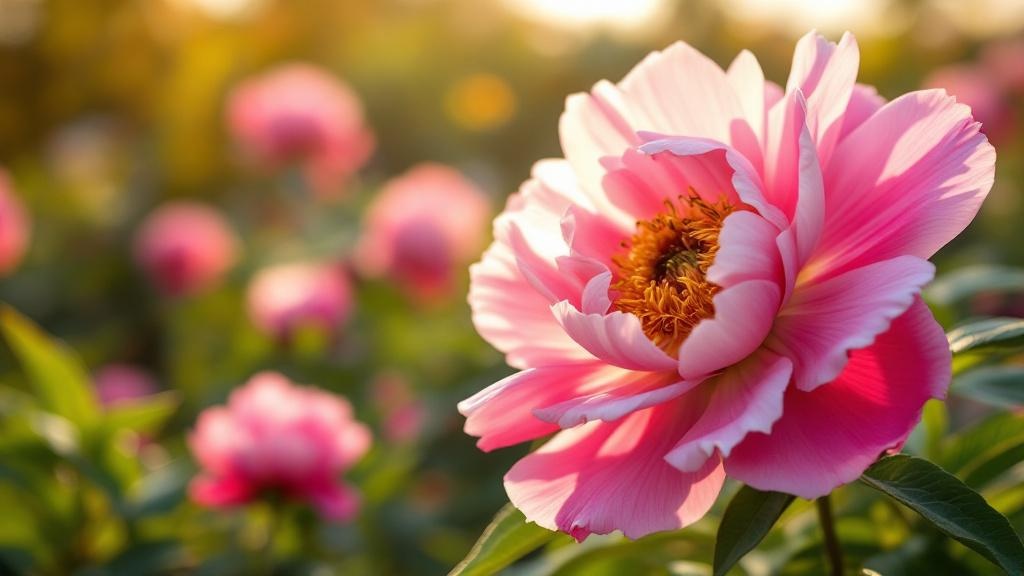
Purple coneflower is a beloved garden staple in temperate zones, valued for its striking magenta-pink petals and golden-orange cone center. These robust perennials are drought-tolerant once established and bloom prolifically from July through September, attracting butterflies and bees. Most gardeners ask how to keep coneflowers blooming longer and whether they'll survive harsh winters—the good news is that Echinacea purpurea is extremely hardy across USDA zones 3-9.

Watering Purple Coneflower
Water newly planted coneflowers every 7-10 days during their first growing season to encourage deep root development. Once established in late summer or autumn, they are highly drought-tolerant and rarely need supplemental watering except during prolonged dry spells (more than 3 weeks without rain). In winter, stop watering entirely—dormant plants need no moisture. Always water at soil level rather than wetting foliage, which can invite fungal disease.
Light Requirements for Coneflowers
Coneflowers demand full sun—at least 6-8 hours of direct sunlight daily—to flower prolifically. Plants grown in partial shade will produce fewer blooms and may become leggy or prone to powdery mildew. In Central European or UK climates, even south-facing borders with morning shade perform well, as long as afternoon sun is guaranteed. Avoid planting them near tall trees or buildings that create dense shade.
Soil & Repotting Coneflowers
Purple coneflower prefers well-draining soil and actually tolerates poor, sandy, or rocky soils that would challenge other perennials. Plant in spring (March-April) or autumn (September-October) to allow roots to establish before winter dormancy. No repotting is needed if grown in garden beds; if containerized, use a gritty potting mix and repot every 2-3 years in early spring. Ensure pots have drainage holes to prevent waterlogging.
Temperature & Humidity for Echinacea
Coneflowers are extremely cold-hardy and thrive throughout temperate climates (USDA zones 3-9, or -40°C to -10°C winter lows). They have no humidity requirements and tolerate hot, dry summers well. In spring, wait until soil temperatures reach 10°C (mid-April in most temperate regions) before planting seedlings outdoors. Established plants require zero protection during winter—mulching can actually promote rot in heavy clay soils.
Fertilizing Coneflowers
Mature coneflowers are light feeders and often need no supplemental fertilizer if grown in moderately fertile soil. Young plants in their first season benefit from a balanced (10-10-10) slow-release fertilizer applied in April-May. Avoid high-nitrogen fertilizers, which promote leafy growth at the expense of flowers. If growing in containers or poor soil, apply a light dose of balanced fertilizer every 6-8 weeks during the growing season.
Common Problems & Solutions
Powdery mildew is the most common issue in humid temperate climates—improve air circulation, water at soil level only, and remove infected leaves. Spider mites can appear during hot, dry spells; spray with a strong water jet or use sulfur dust if severe. Root rot occurs only in waterlogged soil; ensure excellent drainage and avoid overwatering. Deadhead spent flowers regularly (every 3-5 days in peak season) to extend blooming into October.
Frequently asked questions
How often should I water purple coneflowers?
Water new plants every 7-10 days for the first season; once established, coneflowers are drought-tolerant and need watering only during prolonged dry spells. In winter, stop watering entirely as the plant is dormant.
When do purple coneflowers bloom?
Coneflowers typically bloom from July through September in temperate zones, with peak flowering in August. Deadheading spent flowers every few days will extend the bloom period into early October.
Can purple coneflowers survive winter in temperate climates?
Yes—Echinacea purpurea is extremely winter-hardy and will survive temperatures below -30°C. In autumn, cut back dead foliage to ground level in late October or November; do not mulch, as this can trap moisture and cause rot.
Why are my coneflower leaves turning white?
White coating on leaves is typically powdery mildew, common in humid temperate springs and autumns. Remove affected leaves, improve air circulation, water only at soil level, and ensure the plant has 6-8 hours of direct sun daily.
Are purple coneflowers toxic to pets?
No, Echinacea purpurea is safe for cats, dogs, and horses. All parts of the plant are non-toxic, though pets may experience mild digestive upset if they eat large quantities of foliage.