Calamondin
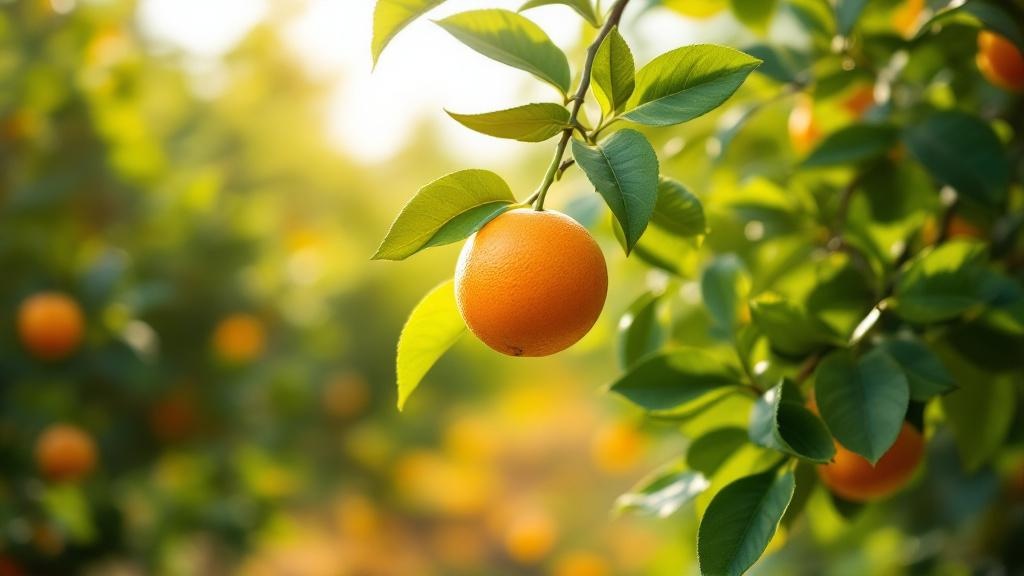
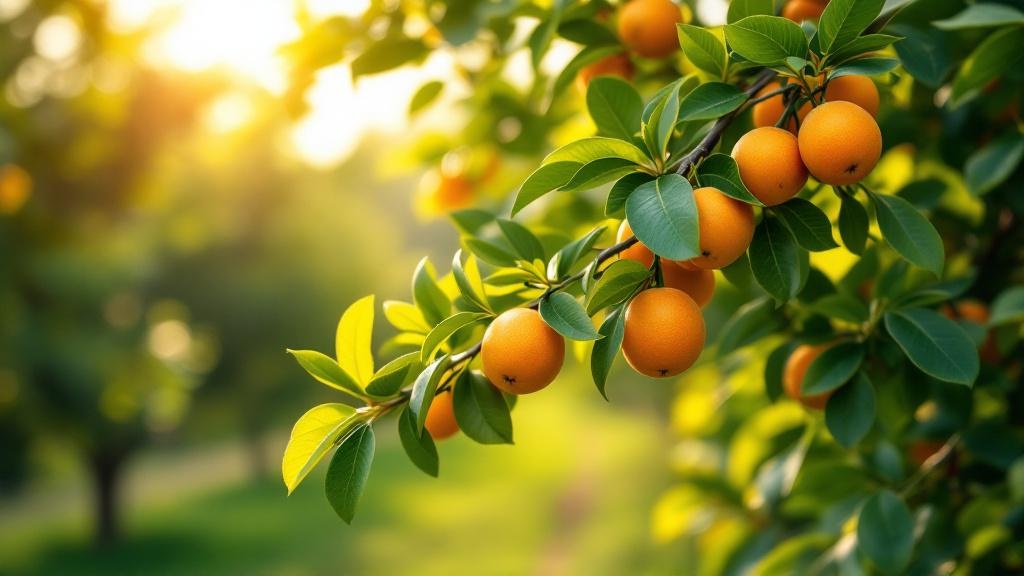
Calamondin is the most forgiving citrus for indoor growers in temperate regions, making it ideal for gardeners who dream of harvesting their own oranges. This compact hybrid between kumquat and mandarin thrives on sunny windowsills and can fruit year-round indoors. The most common question new owners ask is why their Calamondin drops leaves after bringing it home — usually a simple adjustment issue that resolves with consistent care and stable conditions.
Watering Your Calamondin: Finding the Right Balance
Water thoroughly when the top 3-4 cm of soil feels dry, typically every 5-7 days in summer and every 10-14 days in winter. Citrus roots hate sitting in water, so always empty saucers after 30 minutes. Use room-temperature rainwater or tap water left to stand overnight, as Calamondins are sensitive to cold water shock and chlorine.
Light Requirements: The Key to Flowers and Fruit
Calamondin needs at least 6 hours of direct sunlight daily to flower and fruit reliably. In temperate climates, place it at your sunniest south-facing window from October through April. From late May to September, move it outdoors to a sheltered patio where it will thrive in full sun. Insufficient light causes leggy growth and flower drop.
Soil and Repotting for Healthy Roots
Use a well-draining citrus-specific potting mix or create your own with equal parts peat-free compost, perlite, and pine bark. Calamondin prefers slightly acidic soil with a pH of 5.5-6.5. Repot every 2-3 years in early April, moving up only one pot size. Ensure containers have large drainage holes to prevent waterlogging.
Temperature and Humidity: Mimicking Mediterranean Conditions
Keep your Calamondin between 15-25°C during the growing season. In winter, a cooler rest period of 10-15°C encourages spring flowering but avoid temperatures below 10°C. Central heating dries the air significantly, so mist leaves weekly or use a pebble tray from November through March. Avoid placing near radiators or cold drafts from windows.
Fertilizing for Abundant Fruit Production
Feed every 2 weeks from April through September with a citrus-specific fertilizer high in nitrogen and containing trace elements like iron and magnesium. Reduce to monthly feeding in October and stop completely from November through February during dormancy. Yellow leaves with green veins indicate iron deficiency — apply iron chelate following package instructions.
Common Problems: Pests, Leaf Drop, and Yellow Leaves
Scale insects and spider mites are the most frequent pests on indoor Calamondins, especially in dry heated rooms. Wipe leaves with diluted neem oil monthly as prevention. Sudden leaf drop usually indicates overwatering, cold drafts, or shock from being moved — maintain consistent conditions. Yellow leaves can signal overwatering, nutrient deficiency, or insufficient light depending on the pattern.
Frequently asked questions
How often should I water my Calamondin tree?
Water your Calamondin every 5-7 days in summer and every 10-14 days in winter when the top few centimeters of soil are dry. Always water deeply until it drains from the bottom, then discard excess water. Reduce frequency significantly during the cool winter rest period.
Why is my Calamondin dropping leaves?
Leaf drop is usually caused by overwatering, sudden temperature changes, or relocation stress. Check that soil is not waterlogged and keep the plant away from cold drafts and heat sources. New plants often drop leaves for 2-3 weeks while adjusting to your home conditions.
Can Calamondin survive winter outdoors in the UK?
No, Calamondin cannot survive winter outdoors in temperate climates like the UK or Northern Europe. Bring it indoors by late September before nighttime temperatures drop below 10°C. Place in your brightest location and reduce watering during the winter months.
When does Calamondin bloom and produce fruit?
Calamondin can bloom year-round but flowers most heavily in spring and summer. Fruits take 6-12 months to ripen after flowering, meaning you may see flowers and fruit simultaneously. Indoor trees in temperate climates typically produce 20-50 small oranges annually once mature.
Are Calamondin oranges edible?
Yes, Calamondin oranges are completely edible though quite sour and acidic raw. They are excellent for marmalades, adding to drinks, or using as a lemon substitute in cooking. The thin peel is aromatic and can be used for zest in baking.