Kentia Palm
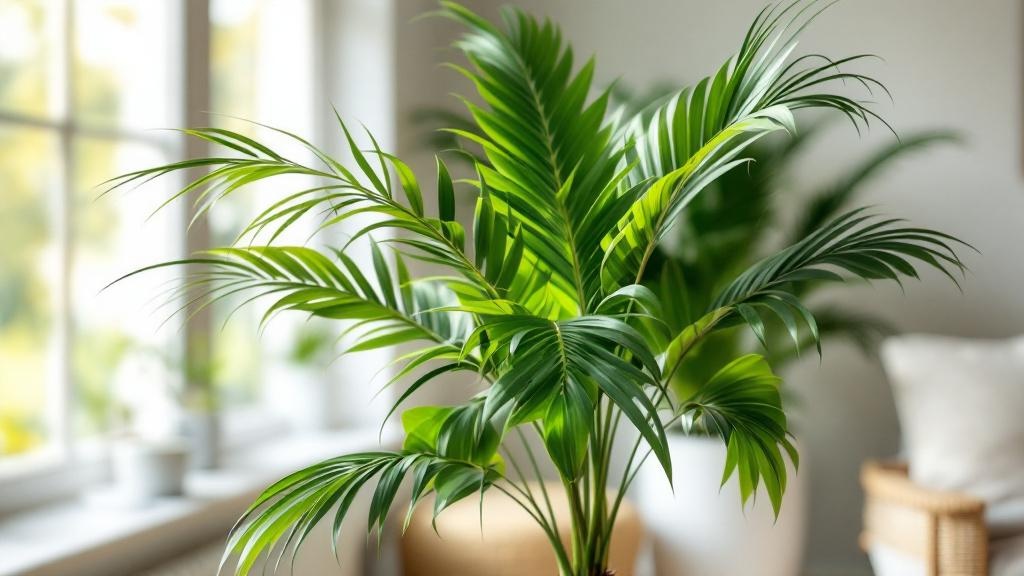
The Kentia Palm (Howea forsteriana) is one of the most popular indoor palms in temperate regions, prized for its feathery fronds and graceful silhouette. These Australian natives adapt well to indoor conditions but require consistent care—especially avoiding overwatering and ensuring adequate light. If you're wondering how to keep your Kentia healthy and growing steadily, this guide covers everything from watering schedules to seasonal care.
Watering Your Kentia Palm
Water every 7-10 days during the growing season (April to September), allowing the top 2-3 cm of soil to dry between waterings. In autumn and winter, reduce watering to every 14 days as growth slows. Always use room-temperature water and ensure excess drains away to prevent root rot, the most common problem with indoor palms. Overwatering is far more damaging than underwatering—these palms prefer slightly drier conditions to soggy roots.
Light Requirements for Kentia Palms
Kentia Palms thrive in bright, indirect light near a north or east-facing window. They tolerate partial shade better than many houseplants, making them ideal for offices or rooms without direct sun. However, insufficient light slows growth dramatically and can cause fronds to yellow. Rotate your plant every 2-3 weeks to ensure even growth on all sides, and clean fronds monthly with a soft, damp cloth to maximize light absorption.
Soil & Repotting Kentia Palms
Use well-draining potting compost mixed with 20-30% perlite or coarse sand to prevent waterlogging. Repot every 2-3 years in spring (March to May) into a container only 2-3 cm larger than the previous one. These palms resent frequent disturbance, so avoid repotting unnecessarily. When repotting, gently loosen the root ball but do not compress the new soil too firmly, as this restricts drainage.
Temperature & Humidity for Healthy Growth
Kentia Palms prefer consistent temperatures between 18-24°C and struggle if exposed to drafts or temperatures below 15°C. In temperate climates, winter heating can dry indoor air significantly; mist fronds with water 2-3 times weekly from November to March to maintain humidity around 50%. Avoid placing your palm near radiators, air conditioners, or open windows in winter. Humidity trays or grouping plants together also helps raise ambient moisture.
Feeding & Fertilizing
Feed your Kentia Palm every 4-6 weeks during the growing season (April to September) using a balanced, liquid houseplant fertilizer at half strength. Stop feeding entirely from October to March, as growth naturally slows in winter and excess nutrients can harm dormant roots. Palms are slow feeders and prefer light, regular feeding over occasional heavy doses. If growth appears stunted and leaves are pale, nutrient deficiency may be the cause—resume feeding promptly.
Common Problems & Solutions
Brown leaf tips are usually caused by low humidity, mineral buildup in water, or temperature stress; use distilled or rainwater and increase misting. Yellow leaves often indicate overwatering or poor drainage; check roots for rot and allow soil to dry out longer between waterings. Spider mites and scale insects can appear indoors, especially in dry winter conditions; spray affected fronds with insecticidal soap or horticultural oil available at garden centers, repeating every 7-10 days until resolved. Brown spots with yellow halos suggest fungal disease—improve airflow and avoid wetting foliage.
Frequently asked questions
How often should I water a Kentia Palm?
Water every 7-10 days in summer (April to September) and every 14 days in winter. Allow the top 2-3 cm of soil to dry between waterings. Always check soil moisture with your finger before watering—if it feels moist, wait another 2-3 days.
Why are my Kentia Palm leaves turning yellow?
Yellow leaves usually mean overwatering or poor drainage. Check if the soil is soggy and roots smell musty (root rot). If so, repot immediately into fresh, dry compost. If soil is fine, low humidity, nutrient deficiency, or natural leaf aging may be responsible—increase misting and resume feeding in the growing season.
Can Kentia Palms tolerate low light?
Kentia Palms tolerate partial shade and lower light better than many houseplants, but growth will be very slow and fronds may yellow. Bright indirect light near a window is ideal. If your home is naturally dark, place the palm as close to the brightest window as possible and clean fronds regularly to maximize available light.
Is a Kentia Palm toxic to cats or dogs?
No, Kentia Palms are completely non-toxic to cats, dogs, and other pets. They are safe to grow in homes with curious animals and may even provide safe browsing for cats without risk of poisoning.
How do I increase humidity for my Kentia Palm?
Mist fronds 2-3 times weekly with distilled or rainwater, especially from November to March when heating dries indoor air. Place a humidity tray (pebbles plus water beneath the pot) nearby, group plants together, or use a room humidifier set to 45-55%. Avoid wetting fronds in winter evenings, as this can encourage fungal disease.
🩺 Common diseases and pests
These problems commonly affect this plant. Click any to see full symptom descriptions, organic and chemical treatment, and prevention.