Yucca
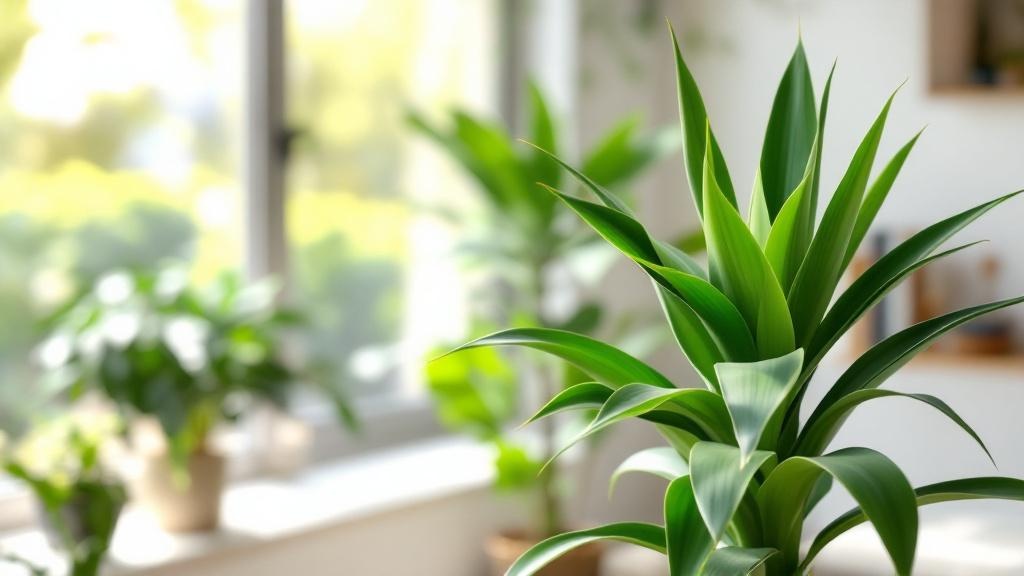
Yucca elephantipes brings dramatic vertical interest to any room with its thick stems and striking sword-like foliage. This tough tropical native adapts well to indoor life in temperate climates and forgives occasional neglect. The most common question houseplant owners ask is how often to water—the answer is less frequently than you might think, making yucca ideal for busy gardeners.
Watering Your Yucca Correctly
Yucca elephantipes stores water in its thick stem, so overwatering is the primary killer. In summer, water every 10-14 days when the top 2 inches of soil feel dry; in winter, reduce to every 3-4 weeks as growth slows. Always use a pot with drainage holes and empty the saucer after watering to prevent root rot. If in doubt, err on the dry side—yucca can handle drought far better than soggy roots.
Light Requirements for Healthy Growth
Yucca thrives in bright indirect light but adapts to lower light conditions better than most architectural plants. Place it near an east, west, or south-facing window in temperate zones, though it tolerates some direct morning sun in winter. If leaves start turning pale or drooping, move it closer to the light source. Rotate the plant every 4-6 weeks for even, upright growth.
Soil and Repotting Needs
Use well-draining soil amended with perlite or coarse sand—standard potting mix alone retains too much moisture. Repot only every 2-3 years or when the plant becomes top-heavy, ideally in late March or early April as growth resumes. Choose a pot only 1-2 inches larger in diameter than the current one to avoid excess soil moisture around the roots.
Temperature and Humidity Management
Yucca prefers warm conditions between 65-75°F (18-24°C) but tolerates cool winters down to 50°F (10°C) with reduced watering. In temperate climates, keep it away from drafty windows and heating vents in winter. Humidity is not critical; average indoor humidity suits yucca fine. Ensure good air circulation to prevent fungal issues in damp conditions.
Fertilizing Your Yucca
Feed monthly during the growing season (April to September) with a balanced, diluted liquid houseplant fertilizer or slow-release pellets. Stop fertilizing in autumn and winter when growth naturally slows. Yucca is not a heavy feeder, so light feeding prevents salt buildup that can damage roots. Leach the soil occasionally by watering thoroughly to flush accumulated minerals.
Common Problems and Solutions
Brown leaf tips often result from low humidity or fluoride in tap water—use filtered water and mist foliage occasionally. Spider mites and mealybugs sometimes infest yucca in warm, dry indoor environments; spray affected areas with insecticidal soap every 7 days until pests clear. Root rot from overwatering is reversible if caught early—repot into dry soil and reduce watering frequency immediately.
Frequently asked questions
How often should I water yucca plants?
Water every 10-14 days in summer when the top 2 inches of soil are dry, and every 3-4 weeks in winter. Always empty excess water from the saucer to prevent root rot.
Why are my yucca leaves turning brown?
Brown leaf tips are usually caused by low humidity, fluoride in tap water, or mineral buildup. Try using filtered water, misting the plant weekly, and repotting into fresh soil if the problem persists.
Can yucca plants grow in low light?
Yucca tolerates lower light better than many houseplants but performs best in bright indirect light near a window. In very dim conditions, growth slows significantly and leaves may pale.
Is yucca toxic to cats and dogs?
Yes, yucca is mildly toxic to cats and dogs and can cause vomiting, diarrhea, and stomach upset if ingested. Keep plants out of reach of curious pets.
When should I repot my yucca plant?
Repot every 2-3 years in late March or early April when growth is resuming. Only move to a pot 1-2 inches larger to prevent waterlogging.