Creeping Fig
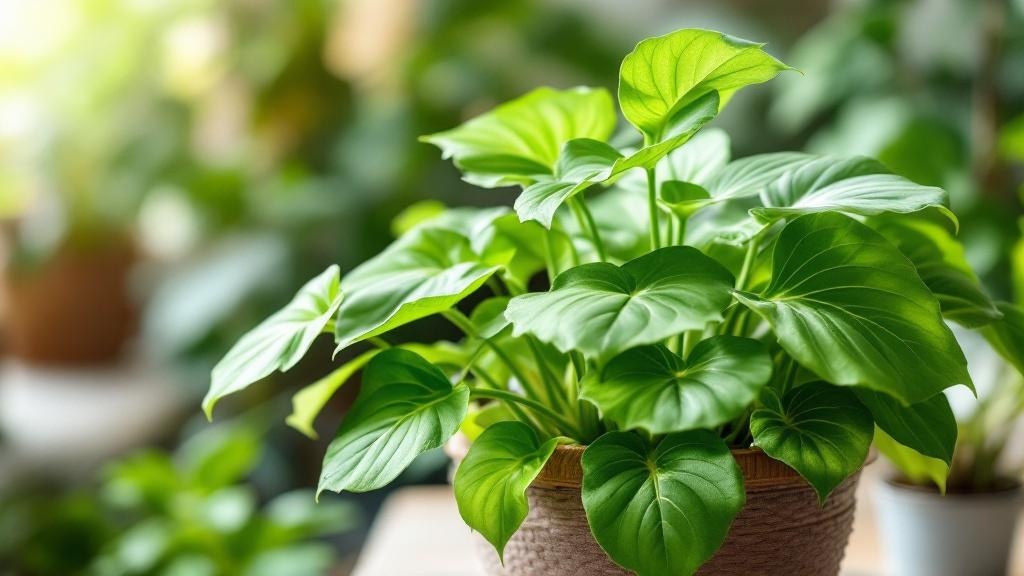
Creeping Fig brings the charm of a living green wall into your home without the complexity of a full vertical garden system. This fast-spreading vine with its delicate heart-shaped leaves is a favourite for terrariums, hanging baskets, and bathroom shelves. The most common question new owners ask is why their Creeping Fig is dropping leaves or turning crispy, and the answer almost always comes down to humidity and consistent moisture. Get these two factors right, and this little vine will reward you with vigorous growth year-round.
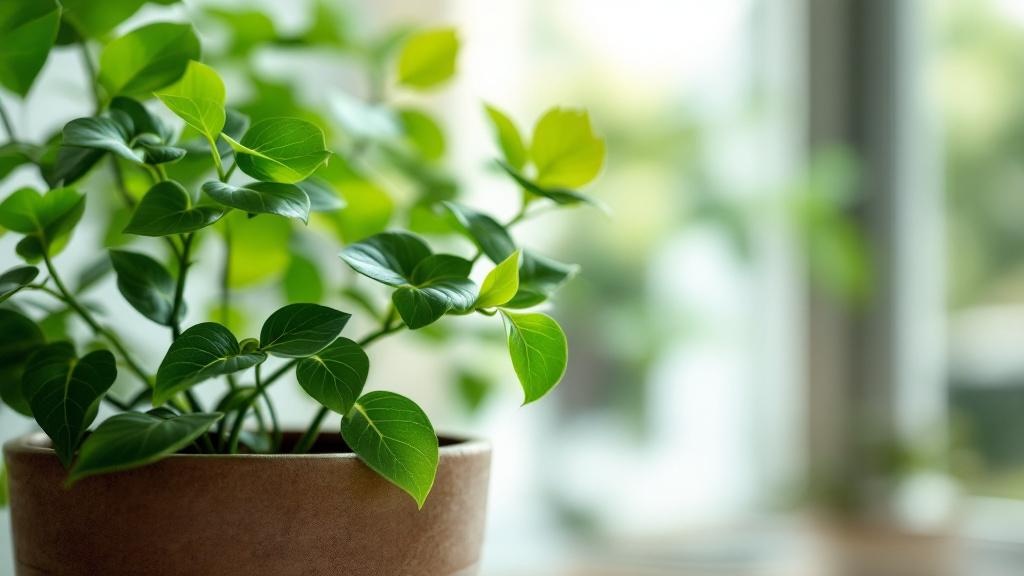
Watering Your Creeping Fig: Consistency is Key
Creeping Fig prefers consistently moist soil but never soggy conditions. Water every 5-7 days during the growing season from April to September, allowing just the top centimetre of soil to dry between waterings. In winter, reduce to every 10-14 days as growth slows. Use room-temperature water and ensure your pot has drainage holes to prevent root rot.
Light Requirements: The Goldilocks Zone
Position your Creeping Fig in bright indirect light for the best growth, though it tolerates medium light conditions well. An east-facing window or a spot 1-2 metres from a south-facing window works perfectly in UK and Central European homes. Avoid direct afternoon sun, especially in summer, as it scorches the delicate leaves. Variegated cultivars need slightly brighter conditions to maintain their white markings.
Soil and Repotting: Give Those Roots Room
Use a well-draining potting mix combining regular houseplant compost with perlite in a 3:1 ratio. Repot in early spring (late March to April) when roots emerge from drainage holes, typically every 1-2 years. Choose a pot only 2-3cm larger than the current one, as Creeping Fig prefers being slightly snug. Terracotta pots work well as they allow excess moisture to evaporate.
Temperature and Humidity: Create a Mini Rainforest
Maintain temperatures between 15-24°C, which suits most temperate climate homes perfectly. Keep away from radiators in winter and cold window drafts. Humidity is crucial: aim for 50-70% by misting daily, using a pebble tray, or grouping with other plants. Bathrooms and kitchens often provide ideal humidity levels naturally.
Fertilising for Lush Growth
Feed every 2-3 weeks from April through August with a balanced liquid houseplant fertiliser diluted to half strength. Stop fertilising from October to February when growth naturally slows. Over-fertilising causes brown leaf edges, so less is more with this plant. Resume feeding as days lengthen in early spring.
Common Problems: Troubleshooting Crispy Leaves
Leaf drop and crispy edges are almost always caused by low humidity or inconsistent watering, so increase misting and check soil moisture regularly. Spider mites thrive in dry indoor air, especially during winter heating season: wash leaves monthly and treat infestations with insecticidal soap. Scale insects occasionally appear as brown bumps on stems, remove with a cotton bud dipped in rubbing alcohol. Yellowing lower leaves typically indicate overwatering, so let soil dry slightly more between waterings.
Frequently asked questions
How often should I water Creeping Fig?
Water your Creeping Fig every 5-7 days during spring and summer, allowing just the top centimetre of soil to dry between waterings. Reduce to every 10-14 days in winter when growth slows. Always check soil moisture with your finger rather than watering on a strict schedule.
Why are my Creeping Fig leaves turning brown and crispy?
Brown crispy leaves indicate low humidity, which is the most common problem with Creeping Fig in temperate climate homes. Increase humidity by misting daily, placing on a pebble tray, or moving to a bathroom. Also check for underwatering, as this plant dislikes drying out completely.
Is Creeping Fig toxic to cats?
Yes, Creeping Fig is mildly toxic to cats and dogs due to its milky sap containing ficin and ficusin. Ingestion causes oral irritation, drooling, and possible vomiting. Keep hanging baskets out of reach or choose a pet-safe alternative if your cat is a determined nibbler.
Can Creeping Fig grow in low light?
Creeping Fig tolerates medium light but struggles in true low-light conditions, becoming leggy with sparse leaves. For best results, provide bright indirect light from an east or north-facing window. If your only option is a darker spot, supplement with a grow light during the short days of October through February.
How do I make my Creeping Fig fuller and bushier?
Regular pruning makes Creeping Fig bushier by encouraging branching from cut points. Trim leggy stems back by one-third in early spring, just as new growth begins. You can propagate the cuttings in water or moist soil to create new plants or add them back to the pot for instant fullness.