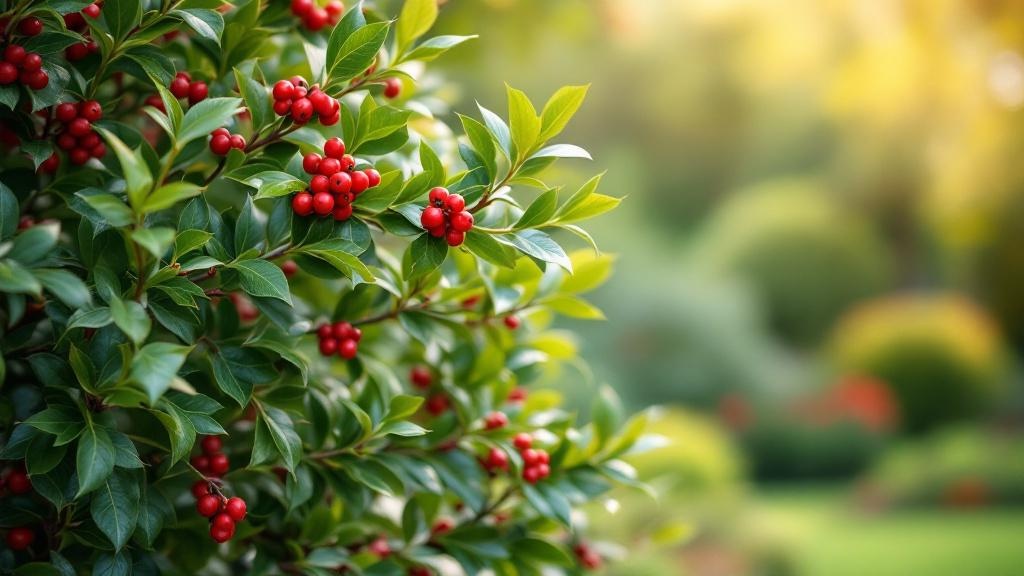
Arborvitae
Arborvitae, also called eastern white cedar, is one of the most popular evergreen trees in temperate gardens across Europe and North America. Whether you're planting a living screen, hedge, or specimen tree, the biggest questions homeowners ask are how often to water it, when to prune, and how to keep it looking dense and green through winter. This guide covers everything you need to know.
Watering arborvitae trees
Water newly planted trees deeply 2-3 times per week for the first growing season to establish roots. Once established, arborvitae is very drought-tolerant and typically needs watering only during prolonged dry spells in summer. In temperate climates, natural rainfall usually suffices after the first year. During autumn and winter, reduce watering as the tree enters dormancy.
Light requirements for arborvitae
Arborvitae performs best in full sun (6+ hours daily) where it develops dense, vibrant foliage and a compact form. It tolerates partial shade but may become thin or open in poor light conditions. For hedge applications, ensure plants receive adequate sunlight to prevent gaps and maintain shape. Avoid deep shade where air circulation is poor, as this increases disease risk.
Soil and repotting arborvitae
Plant arborvitae in well-draining, slightly acidic to neutral soil (pH 6.0-7.0). It tolerates poor soils but struggles in waterlogged conditions, which cause root rot. If planting in clay or heavy soil, amend with compost or peat moss. Mature trees rarely need repotting, but young container specimens can be moved to larger pots in early spring before new growth begins.
Temperature and humidity for arborvitae
Arborvitae is extremely cold-hardy, surviving temperatures to -30°C and thriving in USDA zones 3-8 (temperate and cold climates). It prefers moderate humidity and benefits from good air circulation to prevent fungal issues in wet autumns. In very hot, dry climates, afternoon shade and extra moisture help prevent browning. Winter protection is rarely needed in temperate zones, though young trees may benefit from windbreaks.
Fertilizing arborvitae trees
Arborvitae rarely needs supplemental feeding in established gardens with decent soil. Apply a balanced, slow-release fertilizer in early spring as growth begins, or use a light mulch of compost around the base. Avoid high-nitrogen feeds, which promote soft growth susceptible to winter damage. If growth is slow or foliage is pale, a light feeding in May can help, but most established trees thrive without it.
Common problems and solutions
Spider mites and bagworms are the most common pests in temperate regions; spray affected branches with neem oil or insecticidal soap in late spring or early summer. Phytophthora root rot occurs in waterlogged soil — improve drainage or replant in raised beds. Browning tips in winter may indicate desiccation or salt damage; prune out affected growth in early spring and ensure consistent moisture before hard freezes.
Frequently asked questions
How often should I water arborvitae?
Water newly planted trees 2-3 times per week for the first year; established trees need watering only during dry spells. In temperate climates, natural rainfall is usually sufficient after the first growing season. Always ensure soil is moist but never waterlogged.
When and how do I prune arborvitae?
Prune arborvitae in late winter or early spring (February to March in temperate zones) before new growth begins. Light shaping can be done anytime, but avoid heavy pruning after August as new growth will not harden before frost. Use clean hedge shears and maintain the natural conical shape.
Why are my arborvitae needles turning brown?
Brown needles are usually caused by drying winds, winter desiccation, waterlogged soil, or salt spray. Ensure consistent moisture before freezing weather, improve drainage if soil is soggy, and shelter from harsh winter winds if possible. Prune out dead growth in spring once new growth appears.
Is arborvitae toxic to pets?
Arborvitae is mildly toxic to cats and dogs; the foliage contains thujone which may cause mild digestive upset if chewed in quantity. Ingestion is usually not serious, but keep pets away from freshly pruned branches and monitor for stomach upset or vomiting.
Can arborvitae be used as a hedge?
Yes, arborvitae is excellent for hedges and screens in temperate zones. Space plants 60-90 cm apart, provide full sun, and prune annually in late winter to maintain shape and density. With consistent care, it creates a dense, attractive windbreak or privacy screen within 2-3 years.
🩺 Common diseases and pests
These problems commonly affect this plant. Click any to see full symptom descriptions, organic and chemical treatment, and prevention.