Silver Fir
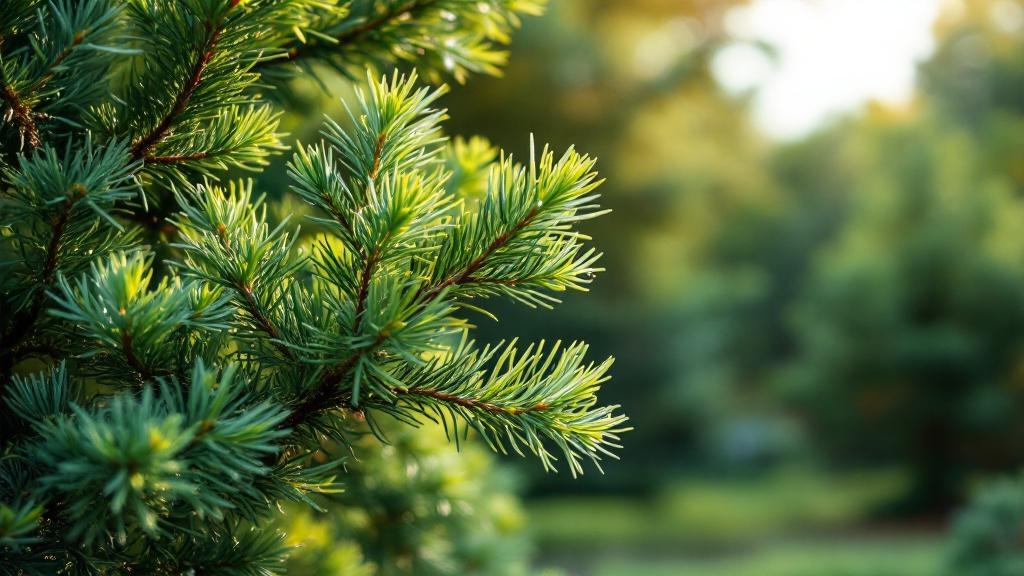
The Silver Fir (Abies alba) is one of Europe's most majestic native conifers, reaching impressive heights in its natural mountain habitat. For home gardeners in temperate regions, the most common question is whether this forest giant can thrive in a residential setting. The answer is yes, with proper space and patience. Silver Firs make excellent specimen trees, windbreaks, and even living Christmas trees when young, bringing year-round structure and that distinctive fresh conifer scent to your garden.
Watering Your Silver Fir Through the Seasons
Young Silver Firs need consistent moisture, especially during their first 2-3 years. Water deeply once weekly from April through October, providing about 10 liters per meter of height. Reduce watering in winter but do not let the root zone dry out completely during mild, dry spells in January or February. Established trees over 5 years old rarely need supplemental watering except during extended summer droughts.
Light Requirements for Healthy Growth
Silver Firs perform best in full sun to partial shade, ideally receiving 4-6 hours of direct sunlight daily. In their natural habitat, young trees grow in the dappled shade of parent trees, so they tolerate more shade than many conifers. However, dense shade leads to sparse, leggy growth. In warmer parts of zone 8, afternoon shade helps prevent heat stress during July and August.
Soil and Repotting Guidelines
Plant your Silver Fir in moist, acidic soil with a pH between 5.0 and 6.5. Amend heavy clay with organic matter and grit to improve drainage, as waterlogged roots invite root rot. If growing in a container initially, repot every 2-3 years in spring (late March to mid-April) using ericaceous compost. Transplant to permanent ground position before the tree exceeds 1.5 meters, as larger specimens struggle with root disturbance.
Temperature and Humidity Preferences
Silver Firs are extremely cold-hardy, tolerating temperatures down to minus 30 degrees Celsius once established. They prefer cool, humid conditions similar to their native Central European mountain forests. Hot, dry summers above 30 degrees Celsius cause stress, so in warmer regions, plant in locations with good air circulation. High humidity is beneficial; these trees struggle in arid climates or near heat-reflecting walls.
Fertilizing for Strong Growth
Apply a balanced slow-release fertilizer formulated for conifers in early April as new growth begins. Use approximately 50 grams per meter of tree height, scattered around the drip line. A second light feeding in late June supports summer growth. Avoid high-nitrogen fertilizers after August, as this promotes soft growth vulnerable to winter damage. Established trees over 10 years old rarely need fertilization if growing in decent soil.
Common Problems and Solutions
Adelgids are the most frequent pest, appearing as white woolly masses on bark and needles from May onwards; treat with horticultural oil spray in early spring before populations explode. Honey fungus (Armillaria) can attack stressed trees, causing dieback and death; remove infected specimens and avoid replanting conifers in the same spot for several years. Needle cast fungus causes browning and needle drop in wet springs; improve air circulation and apply copper-based fungicide if severe.
Frequently asked questions
How fast does Silver Fir grow per year?
Silver Fir grows 30-60 centimeters per year once established, though growth is slower in the first 3-5 years. Young trees may only add 15-20 centimeters annually while developing their root system. With good conditions, a 10-year-old tree typically reaches 4-6 meters tall.
Can I grow Silver Fir in a small garden?
Silver Fir is not ideal for small gardens as it eventually reaches 40-50 meters tall with a 6-8 meter spread. For limited spaces, consider dwarf cultivars like Abies alba Compacta which stays under 3 meters. Standard Silver Firs need at least 10 meters clearance from buildings and boundaries.
Why are my Silver Fir needles turning yellow?
Yellowing needles typically indicate either overwatering, poor drainage, or nutrient deficiency in alkaline soil. Check soil moisture and drainage first, as Silver Firs cannot tolerate waterlogged roots. If drainage is adequate, test soil pH and apply iron sulfate or ericaceous fertilizer if pH exceeds 7.0.
Is Silver Fir toxic to cats and dogs?
Silver Fir is not toxic to cats, dogs, or other household pets. The needles and bark are safe, though eating large quantities of any plant material may cause mild stomach upset. This makes Silver Fir a pet-friendly choice compared to yews or other toxic conifers.
When should I plant a Silver Fir tree?
Plant Silver Fir in autumn between October and November, or in early spring from late March to April. Autumn planting is preferred in temperate climates as it allows root establishment before summer stress. Avoid planting during frozen ground conditions or hot summer months when transplant shock is highest.