Road salt damage
📖 Overview
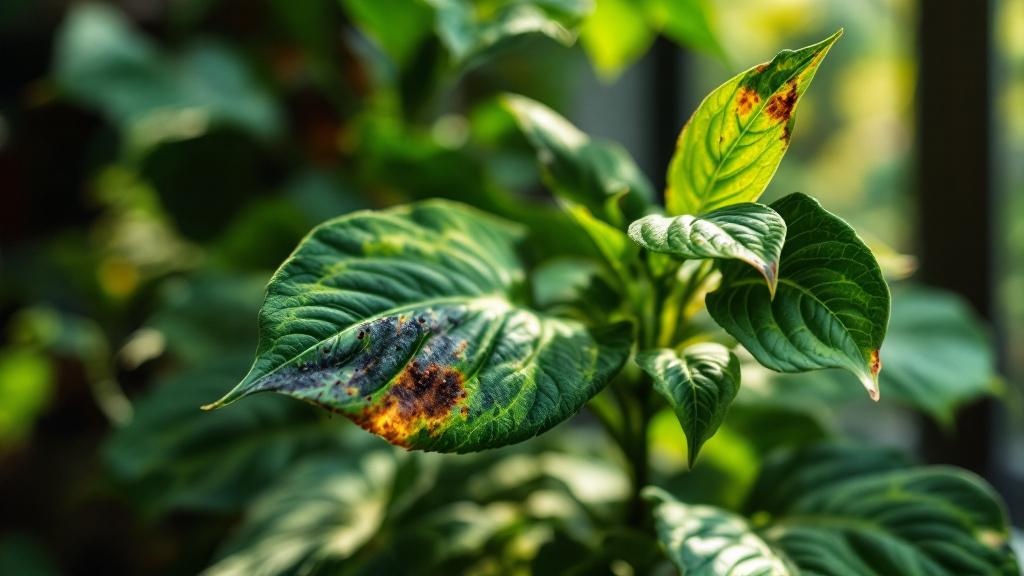
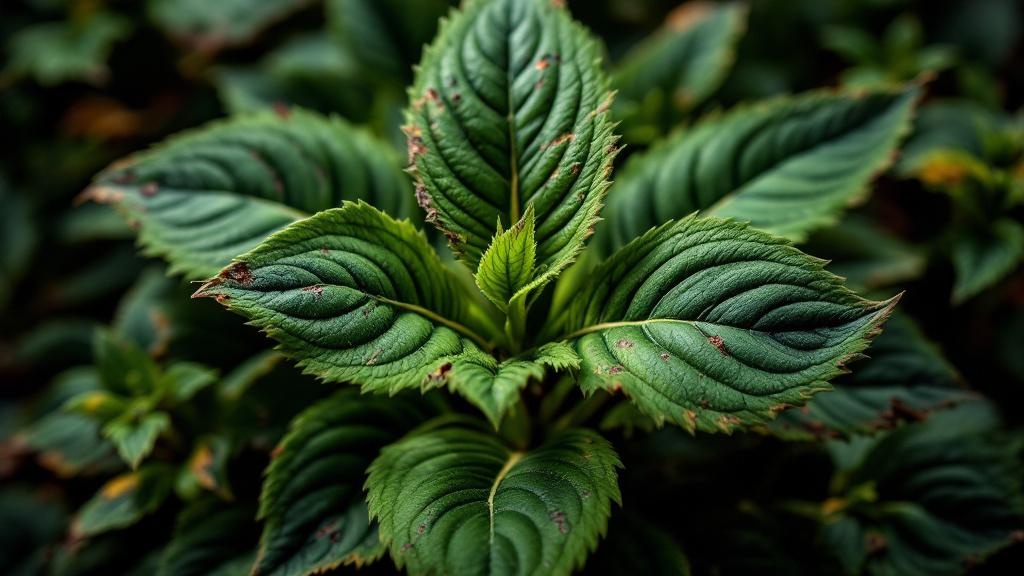
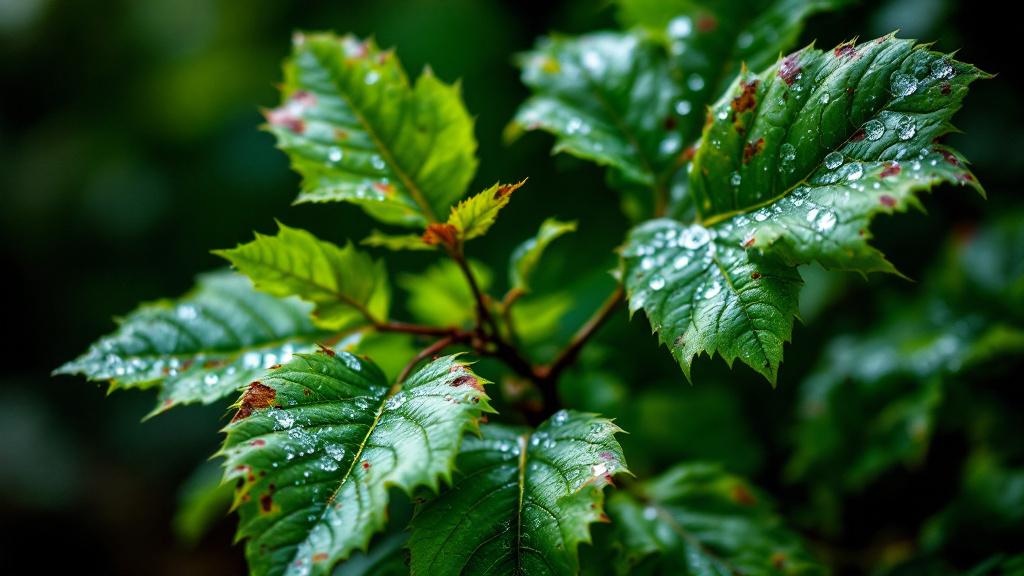
Road salt damage is one of the silent stressors that quietly weakens trees and shrubs planted near roads and driveways in temperate climates. When winter de-icing salts are spread on pavements and roads, wind spray and meltwater runoff carry sodium chloride (NaCl) into the soil and onto plant foliage, where it accumulates and interferes with the plant's ability to absorb water and nutrients. This matters most to urban gardeners and property owners with street-facing trees or shrubs—especially conifers like spruces and pines, shade trees like lindens and maples, and evergreens like boxwood and thuja, which are already stressed by compacted urban soils and pollution. The damage appears each spring, typically from March onwards, as the plant awakens and the effects of winter salt exposure become visible. You'll first notice yellowing or browning starting at the leaf or needle tips, with the damage most severe on the side of the plant facing the road and notably worse on the lower branches that received the heaviest salt spray during snow season. Soil salt is equally damaging: plants may fail to leaf out at all in spring, or produce only weak, sparse foliage throughout the growing season. The browning pattern—tip burn rather than bleaching, and asymmetrical injury favouring one side of the plant—helps distinguish salt damage from winter desiccation (which affects entire leaves and needles uniformly) or nutrient deficiencies (which typically show symptoms on older foliage first).
🔍 How to identify
Tavasszal: tűlevelek/levelek hegyétől induló sárga-barna elhalás, az úthoz közelebbi oldalon erősebb. Az alsó ágak SÚLYOSABBAN érintettek a felsőknél (út-permetezés). Talajba szivárgott só: növény nem hajt ki tavasszal, vagy gyenge lombozat egész szezonon.
🌿 Common host plants
💊 Treatment
Tavaszi alapos lemosás bő vízzel (15-20 l/m² a só kimosásához). Gipsz (CaSO₄) talajra (a Na-t Ca-ra cseréli, kimosható). Szervestrágya beépítése.
Talajba akar — nem alkalmas.
🛡️ Prevention
Sótűrő fajták az út mellé (Gleditsia, Quercus rubra, Aesculus, Cornus sericea, Lonicera). Gyökérvédő fizikai gát (60 cm mélyen) a járda-fa között. Olvasztósó helyett urea (CO(NH₂)₂) — drágább.
💡 Notes
Városi fasorok #1 hosszú-távú stresszora. Magyarországon a karbamid-alapú olvasztó már elérhető, de drágább.
Frequently asked questions
How can I tell if my plant is struggling from road salt rather than drought or frost?
Salt damage shows up first at leaf and needle tips as yellow or brown scorching, and it's always one-sided—worse on the road-facing side—whereas frost damage affects entire shoots uniformly and drought causes overall wilting before browning. If your plant is near a road or driveway and spring symptoms are concentrated on lower branches and the street-side half of the canopy, salt is your culprit.
What should I do right now if I spot salt damage this spring?
Start with a thorough flush: apply 15–20 litres of clean water per square metre around the root zone to leach accumulated salt from the soil, ideally after any snowmelt has cleared. Repeat this gentle soaking twice more through April and May if possible. For the foliage, you can prune off the worst-damaged branch tips, but avoid heavy pruning until you see new growth; the plant will often recover on its own once the salt is diluted out of the soil.
Can I actually save a tree that's already failing to leaf out, or is it dead?
Do not give up yet. Even trees with minimal spring foliage may recover if you flush the soil thoroughly in late March and early April, because salt accumulated in the root zone is preventing water uptake rather than killing the plant outright. If you see any green buds beginning to swell or leaf flush by late May after your watering, the tree will likely make a full recovery by midsummer.
What's the safest and cheapest long-term fix for a tree right next to a driveway?
The best investment is prevention: choose salt-tolerant species like honey locust (Gleditsia), red oak (Quercus rubra), horse chestnut (Aesculus), or red-twig dogwood (Cornus sericea) when planting roadside. If you already have vulnerable plants, install a physical root barrier—a 60 cm deep barrier between the tree and the road or driveway—to keep salt-laden runoff away from the root zone. Gypsum (calcium sulphate) worked into the top soil also helps by slowly exchanging sodium ions for calcium, making salt easier to wash out.
Is there an alternative to rock salt that won't damage my plants?
Yes: urea-based de-icers (urea, CO(NH₂)₂) are far gentler to plants than sodium chloride, though they are more expensive and less commonly stocked in temperate regions. If you control your own driveway or garden path, switching to urea or even sand plus cat litter is worth the cost to protect valuable trees and shrubs.
Not sure what's wrong? Take a photo!
Plantora's AI Plant Doctor identifies the issue from a single photo in seconds and gives you a tailored treatment guide.
Try AI diagnosis (free) →