Basil
Basil is one of the most rewarding herbs to grow at home, whether on a kitchen windowsill or in a garden bed. It grows quickly, produces abundantly, and transforms your cooking. The main challenge most gardeners face is keeping basil thriving through the cooler months and preventing it from bolting too early. In temperate climates, basil is typically grown as a summer annual, but understanding its seasonal needs will maximize your harvest.
Watering Basil Correctly
Basil loves consistent moisture but not waterlogged soil. In summer, water daily or every other day depending on heat and pot size—the soil should feel moist to the touch. Check the top inch of soil; if it feels dry, water thoroughly until it drains from the bottom. In spring and autumn, reduce frequency to every 2-3 days. Overwatering can lead to root rot, so ensure your pot has drainage holes and remove standing water from saucers immediately.
Light Requirements for Basil
Basil is a sun-lover and needs 6-8 hours of direct sunlight daily to develop strong flavor and bushy growth. Indoors on a south-facing or west-facing windowsill is ideal in temperate regions. If grown under grow lights, position them 10-15 cm above the plant and maintain them for 12-14 hours daily. Insufficient light causes leggy, pale growth and slower leaf production. Rotate potted basil weekly to ensure even growth on all sides.
Soil & Repotting Basil
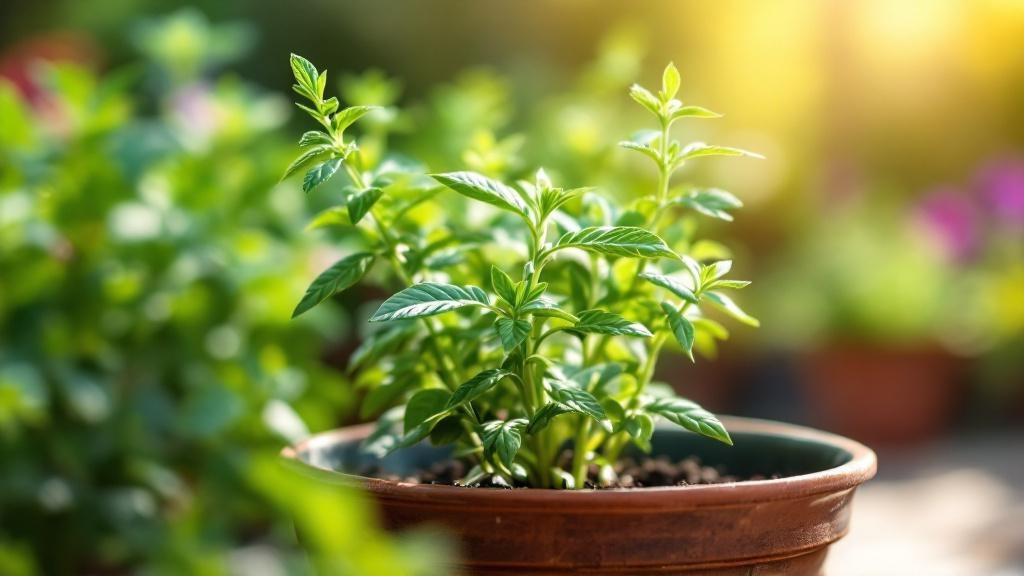
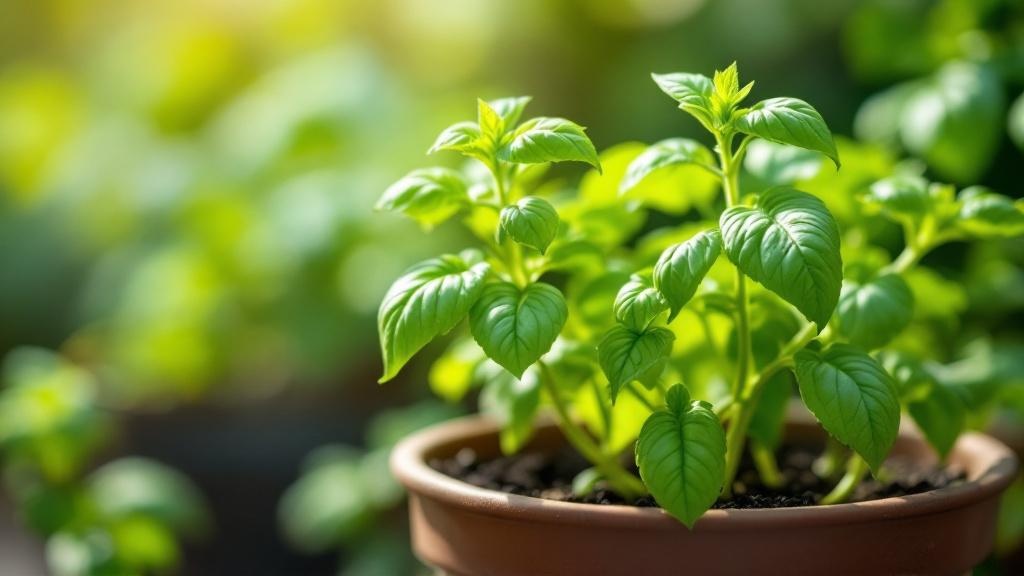
Use rich, well-draining potting soil mixed with a small amount of compost for outdoor or container basil. A 15-20 cm pot works well for a single plant. Basil doesn't need frequent repotting unless it outgrows its container within the season. If transplanting seedlings, do so when they have 2-3 true leaves, burying them slightly deeper than they grew in the seed tray. Garden soil should be improved with compost or aged manure before planting.
Temperature & Humidity for Basil
Basil thrives between 18-25°C and is extremely frost-sensitive—exposure to temperatures below 10°C will damage or kill the plant. In temperate climates, sow seeds indoors in March-April or directly outdoors after the last frost date (typically May in central European zones). Bring potted basil indoors before autumn frosts, usually by late September. Humidity between 40-60% is ideal; in dry indoor conditions, occasional misting helps, though avoid wetting foliage in cool evenings to prevent fungal issues.
Fertilizing Basil
Basil is a heavy feeder during the growing season. Apply a balanced, water-soluble fertilizer every 2-3 weeks from May through August. Alternatively, incorporate a slow-release fertilizer into the soil at planting time. For container plants, use a half-strength liquid fertilizer weekly to sustain vigorous growth and leaf production. Stop fertilizing in autumn as growth naturally slows. Avoid over-fertilizing with nitrogen alone, as this promotes leafy growth at the expense of flavor.
Common Basil Problems & Solutions
Powdery mildew, a white fungal coating on leaves, appears in humid, poorly ventilated conditions—improve air circulation and reduce overhead watering. Spider mites thrive in hot, dry indoor environments; spray affected plants with water or use insecticidal soap if infestations are severe. Slugs and aphids may attack outdoor basil in early summer; handpick slugs and use neem oil or soap spray for aphids. Basil bolting (flowering too early) can be delayed by regularly pinching off the top growing tips and removing flower buds as soon as they appear.
Frequently asked questions
How often should I water basil?
Water basil daily or every other day in summer to keep the soil consistently moist but not waterlogged. Check the top inch of soil; if it feels dry, water thoroughly. In cooler seasons, reduce to every 2-3 days. The frequency depends on temperature, humidity, and pot size, so always check soil moisture first.
Can I grow basil indoors year-round?
Yes, basil can be grown indoors year-round with proper light. You'll need 6-8 hours of direct sunlight daily from a south-facing window, or 12-14 hours under a grow light positioned 10-15 cm above the plant. Growth will be slower in winter due to shorter daylight, and you may need to provide supplemental heating to keep temperatures above 15°C.
Why is my basil flowering so quickly?
Basil bolts (flowers early) when stressed by heat, drought, or age. To delay flowering, pinch off the top growing tips regularly to encourage bushier growth, remove flower buds as soon as they appear, and ensure consistent watering. Harvesting leaves frequently also signals the plant to keep producing foliage rather than flowers.
What temperature does basil need?
Basil grows best between 18-25°C and is very frost-sensitive; it will die or be severely damaged below 10°C. In temperate climates, sow seeds after the last frost date (typically May) and bring potted plants indoors before the first autumn frost, usually by late September. Growth slows noticeably below 18°C.
Is basil safe for pets?
Yes, basil is completely safe for cats, dogs, and other common pets. It contains no toxic compounds and is actually used in pet-friendly cooking. In fact, some pet owners grow basil specifically as a safe herb for their animals to nibble on.
🩺 Common diseases and pests
These problems commonly affect this plant. Click any to see full symptom descriptions, organic and chemical treatment, and prevention.