Guelder Rose
The Guelder Rose (Viburnum opulus) is one of the most rewarding shrubs you can plant in a temperate garden, offering three seasons of interest with its maple-like foliage, frothy white flower clusters in May and June, and jewel-like red berries that persist into winter. The most common question gardeners ask is how to get their Guelder Rose to produce more berries, and the answer usually lies in proper placement and pruning timing.
Watering Your Guelder Rose
Water newly planted Guelder Rose shrubs deeply once a week during their first two growing seasons to establish strong roots. Once established, they rarely need supplemental watering except during prolonged dry spells in July and August. In containers, check soil moisture every 3-4 days during summer and water when the top 5cm feels dry. Avoid waterlogging, which can lead to root rot.
Light Requirements for Viburnum opulus
Guelder Rose performs best in full sun to partial shade, ideally receiving 4-6 hours of direct sunlight daily. In full sun, expect more prolific flowering and better berry production, while partial shade is tolerated but may reduce autumn fruit display. Avoid deep shade beneath dense tree canopies where flowering will be sparse. An east or west-facing position in the garden works perfectly.
Soil and Repotting Guidelines
Plant in moist but well-draining soil enriched with organic matter such as garden compost or well-rotted manure. Guelder Rose tolerates a wide pH range from slightly acidic to alkaline (pH 5.5-8.0) and even handles heavy clay better than most shrubs. When planting, dig a hole twice the width of the rootball and add a 5cm mulch layer of bark chips, keeping it away from the stem. Container specimens need repotting every 2-3 years in early March before growth resumes.
Temperature and Humidity Needs
This tough native shrub is fully hardy throughout Central Europe, Northern US, and the UK, tolerating winter temperatures down to minus 30 degrees Celsius without protection. It handles frost, wind, and even coastal exposure admirably. Humidity is rarely a concern outdoors, though good air circulation helps prevent fungal issues during humid summers. No overwintering protection is needed for established garden plants.
Fertilizing Schedule
Apply a balanced slow-release fertilizer (such as 10-10-10) in early April as new growth begins, scattering a handful around the drip line. A second light application in late June supports berry development. Mulching annually with compost in March provides gentle ongoing nutrition and improves soil structure. Avoid high-nitrogen feeds after July, which encourage soft growth vulnerable to early autumn frosts.
Common Problems and Solutions
Viburnum beetle larvae are the main pest, skeletonizing leaves from late April through June. Check leaf undersides in early May and squash larvae or spray with pyrethrin-based insecticide. Aphids cluster on new shoots in spring but are usually controlled by ladybirds and lacewings. Powdery mildew may appear during humid summers, especially on crowded plants. Improve airflow by thinning branches in late February and avoid overhead watering.
Frequently asked questions
How often should I water a Guelder Rose?
Water established Guelder Rose only during extended dry periods of two weeks or more in summer. Young plants in their first two years need weekly deep watering from April to September. Once rooted in, they draw sufficient moisture from normal rainfall in temperate climates.
Why are my Guelder Rose leaves full of holes?
Holes in leaves are almost certainly caused by viburnum beetle larvae, which feed from late April through June. Check the undersides of damaged leaves for cream-colored grubs and remove them by hand or spray with a contact insecticide. Heavy infestations can defoliate the plant but rarely kill it.
When does Guelder Rose bloom?
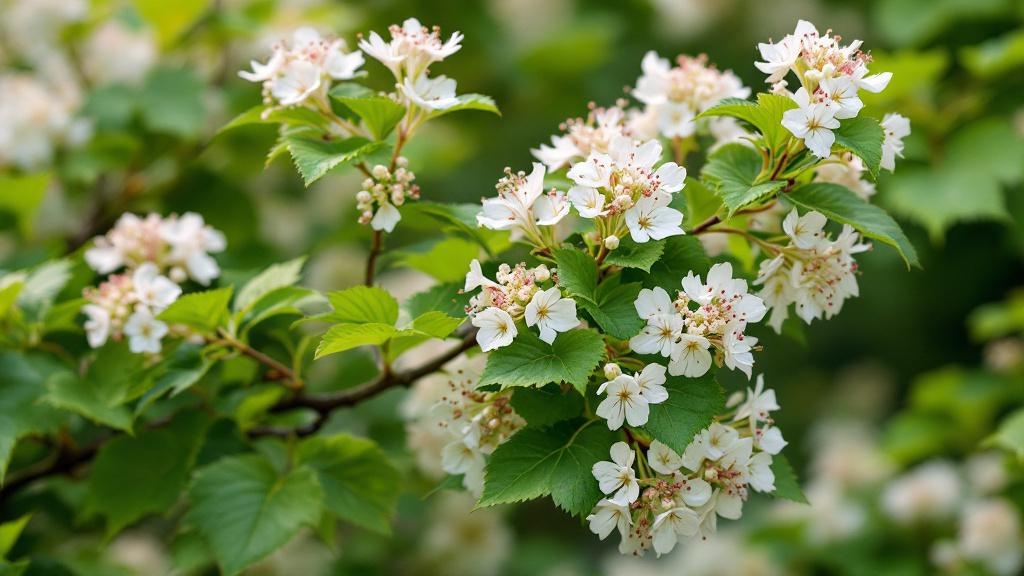
Guelder Rose blooms from late May through June in temperate regions, producing flat lacecap clusters of white flowers. The outer ring of large sterile flowers surrounds smaller fertile flowers in the center. Berries develop from the fertile flowers and ripen to bright red by September.
Is Guelder Rose toxic to cats and dogs?
Yes, Guelder Rose berries and bark contain compounds that can cause vomiting and diarrhea in cats and dogs if consumed. While not typically fatal, ingesting large quantities requires veterinary attention. The bitter taste usually deters pets from eating significant amounts.
How do I prune Guelder Rose for more flowers?
Prune immediately after flowering finishes in late June or early July, cutting back flowered stems by one-third. This timing allows new wood to develop and set flower buds for next year. Avoid autumn or spring pruning which removes the buds that would have produced that seasons flowers.