Beautyberry
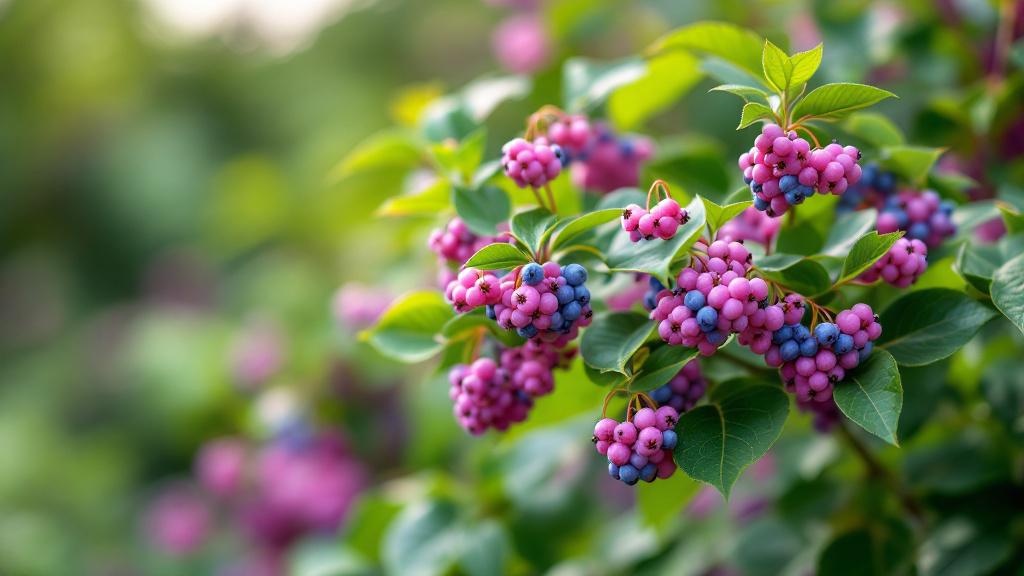
Beautyberry earns its name with clusters of vivid purple berries that appear in autumn and last well into December, providing striking garden interest when little else is colorful. The most common question gardeners ask is how to get more berries, and the answer lies in proper pruning timing and planting multiple shrubs for better cross-pollination. Native to China, Callicarpa bodinieri has become a favorite in UK and Central European gardens for its hardiness and low-maintenance nature.
Watering Your Beautyberry Through the Seasons
Water newly planted Beautyberry deeply once a week during the first growing season to establish strong roots. Once established after 1-2 years, this shrub is remarkably drought-tolerant and only needs supplemental watering during prolonged dry spells in July and August. In winter, natural rainfall in temperate climates is typically sufficient. Always water at the base to avoid wetting foliage, which can encourage fungal problems.
Light Requirements for Maximum Berry Production
Beautyberry produces the most abundant berry clusters in full sun, receiving at least 6 hours of direct sunlight daily. However, it tolerates partial shade well, making it versatile for woodland garden edges or north-facing borders. In shadier spots, expect fewer berries but still healthy foliage. Morning sun with afternoon shade works particularly well in warmer zone 8 locations.
Soil and Repotting for Healthy Growth
Plant Beautyberry in moist but well-draining soil enriched with organic matter such as garden compost or well-rotted manure. It tolerates a range of soil types but prefers slightly acidic to neutral pH (5.5-7.0). When planting in autumn or early spring, dig a hole twice the width of the root ball and backfill with a mix of native soil and compost. Mulch annually in late March with bark chips to retain moisture and suppress weeds.
Temperature and Humidity Tolerance
Beautyberry is reliably hardy throughout USDA zones 5-8, tolerating winter temperatures down to minus 20 degrees Celsius. In zone 5 areas, stems may die back in harsh winters but will resprout vigorously from the base in spring. Average humidity levels in temperate climates suit this plant perfectly, and it requires no special humidity considerations. Young plants benefit from a protective mulch layer around the base before their first winter.
Fertilizing for Vigorous Growth and Berries
Apply a balanced slow-release fertilizer (such as fish blood and bone or a general-purpose 10-10-10) in late March as new growth begins. A second light application in early June supports flower and berry development. Avoid high-nitrogen fertilizers which promote leafy growth at the expense of flowers and berries. Established shrubs in nutrient-rich soil may need little to no supplemental feeding.
Common Problems and How to Solve Them
Beautyberry is notably pest and disease resistant, but watch for aphids on new spring growth in April and May, easily controlled with a strong water spray or insecticidal soap. Leaf spot fungus can appear in wet summers, showing as brown spots on foliage; improve air circulation by thinning crowded branches in late winter. Poor berry production usually indicates insufficient sunlight, lack of cross-pollination (plant at least two shrubs), or pruning at the wrong time which removes flower buds.
Frequently asked questions
How do I prune Beautyberry and when?
Prune Beautyberry hard in late February or early March before new growth begins. Cut all stems back to 15-30cm from ground level, as flowers and berries form on new season's wood. This annual hard pruning encourages vigorous new growth and maximizes berry production in autumn.
Why is my Beautyberry not producing berries?
Poor berry production is usually caused by pruning at the wrong time, insufficient sunlight, or lack of cross-pollination. Beautyberry flowers on new wood, so pruning in summer removes potential flower buds. Plant at least two shrubs within 10 meters of each other for best pollination and fuller berry clusters.
Is Beautyberry toxic to cats and dogs?
No, Beautyberry is non-toxic to cats, dogs, and humans. The berries are safe if pets nibble them, though they are not particularly tasty. This makes Beautyberry an excellent choice for gardens where pets roam freely.
When does Beautyberry produce berries?
Beautyberry produces its signature purple berry clusters from September through December in temperate climates. Small pink-lilac flowers appear in June and July, followed by green berries that ripen to vibrant violet-purple in early autumn. Berries often persist on bare branches well into winter unless eaten by birds.
Can Beautyberry grow in shade?
Yes, Beautyberry tolerates partial shade but produces significantly more berries in full sun. In deep shade, the shrub will survive but may become leggy with sparse flowering and minimal berry production. For best results, provide at least 4-6 hours of direct sunlight, ideally morning sun.