Apple Tree
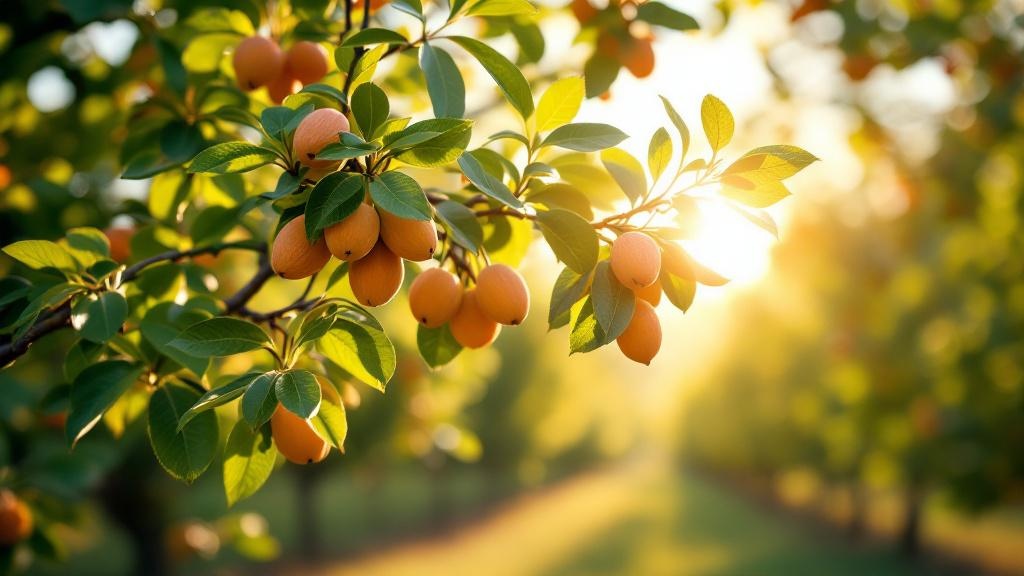
Apple trees are among the most reliable fruit crops for home gardeners in temperate climates, delivering harvests for decades with consistent care. Whether you're growing a single dwarf variety in a pot or multiple trees in an orchard, the key questions are always the same: how much water do they need, when should I prune, and how do I prevent pest damage? This guide covers everything from spring awakening to autumn harvest and winter dormancy.
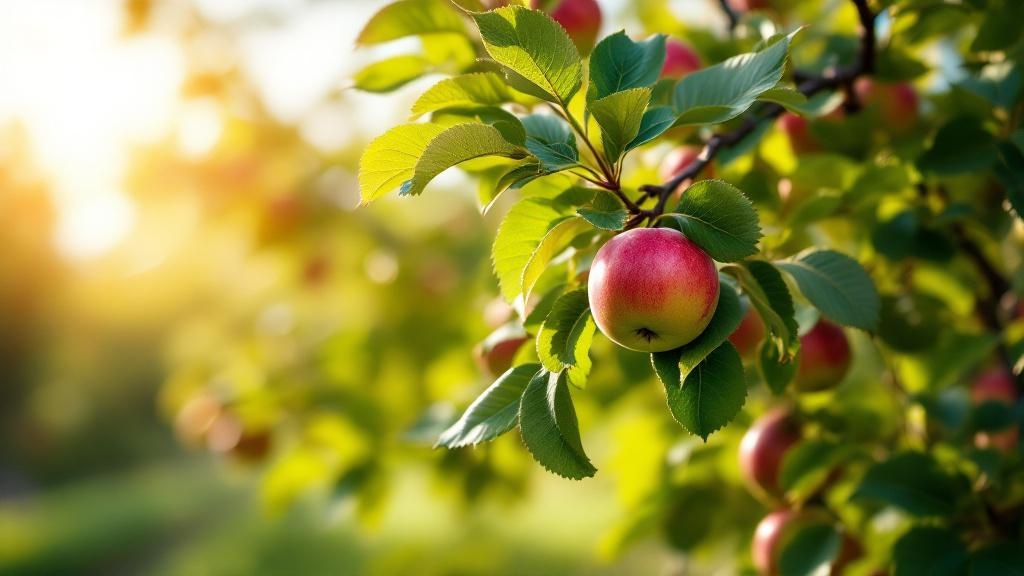
Watering Apple Trees Year-Round
Young apple trees need deep watering every 7-10 days during the growing season (April to September), aiming for 25-40 liters per week depending on rainfall. Established trees (3+ years) are more drought-tolerant but still benefit from regular watering during fruit development in June and July. Reduce watering significantly in autumn and winter when the tree is dormant; winter precipitation usually provides enough moisture. Avoid waterlogging, which encourages root disease and fungal issues.
Light Requirements for Fruit Production
Apple trees require minimum 6 hours of direct sunlight daily, though 8+ hours produces better fruiting and sweeter apples. Plant in south or southwest-facing positions in your garden for optimal light exposure throughout the year. Partial shade is tolerated but reduces yield and increases disease susceptibility. In temperate climates, summer sun is rarely too intense, so full-sun positioning is always preferable.
Soil & Repotting Considerations
Apple trees thrive in slightly acidic, well-draining loam with pH 6.0-6.8. Amend heavy clay soils with compost and sand to improve drainage, as waterlogging causes root rot. Dwarf varieties in containers need repotting every 2-3 years in spring (late March to April) into slightly larger pots with fresh potting mix. Bare-root trees planted in autumn or early spring require a planting hole 1.5 times wider than the root ball, with backfill enriched with well-rotted compost.
Temperature & Humidity for Winter Dormancy
Apple trees are fully hardy in USDA zones 5-8 (surviving -15°C winters) and require winter chilling (200-400 hours below 7°C depending on variety) to set fruit the following year. This natural dormancy cycle means no special winter protection is needed in temperate regions. High humidity (60-70%) is beneficial but not critical; good air circulation around the canopy prevents fungal diseases like powdery mildew in humid summers.
Feeding & Fertilizing Schedule
Apply a balanced fertilizer (10-10-10) in early spring (late March) as buds break, then switch to a potassium-rich formula (e.g., 5-10-10) in June to support fruit development. Use approximately 50-100g per mature tree, depending on size. Avoid excess nitrogen, which promotes leafy growth at the expense of flowering. Mulch the root zone with 5-8cm of compost each autumn to improve soil fertility naturally and retain moisture.
Common Problems & Solutions
Codling moths are the primary pest in temperate regions—their larvae tunnel into developing fruit. Prevent by thinning fruit to one apple every 15cm in June, removing affected fruit promptly, and applying organic controls like pheromone traps in late May. Powdery mildew appears as white coating on leaves in humid summers; prune for air circulation and apply sulfur spray in early stages. Scale insects and woolly aphids can be managed with dormant oil spray applied in late November or February.
Frequently asked questions
How often should I water my apple tree?
Water deeply every 7-10 days during the growing season (April-September), providing 25-40 liters weekly depending on rainfall and soil type. Reduce watering in winter when the tree is dormant, relying mainly on natural precipitation.
When is the best time to prune apple trees?
Prune in late winter (February to early March) while the tree is still dormant, removing dead wood and crossing branches. Light summer pruning in July can open the canopy for better light penetration and air circulation.
Why are my apple tree leaves turning yellow?
Yellow leaves typically indicate overwatering, poor drainage, or nitrogen deficiency. Check soil moisture first—if soggy, improve drainage or reduce watering. If soil is well-draining and moist, apply a balanced fertilizer in spring and mulch to improve nutrient availability.
How long does it take for an apple tree to produce fruit?
Dwarf and semi-dwarf varieties fruit within 2-3 years of planting, while standard trees may take 4-6 years. Grafted trees (the most common type) fruit much faster than seed-grown trees.
Do apple trees need a pollinator to produce fruit?
Most apple varieties require cross-pollination from a compatible variety blooming at the same time. Plant at least two different apple varieties within 20 meters, or choose self-fertile cultivars like 'Granny Smith'. Bees are the main pollinators, active in April-May in temperate climates.
🩺 Common diseases and pests
These problems commonly affect this plant. Click any to see full symptom descriptions, organic and chemical treatment, and prevention.