Silver Pothos
Silver pothos, also called satin pothos, is a showstopping climber prized for its deep green leaves splashed with silvery spots. Unlike its cousin golden pothos, this slower-growing vine demands more consistent light and care but rewards attentive gardeners with jewel-like foliage. The most common question: why are my silver pothos leaves losing their silver spots?
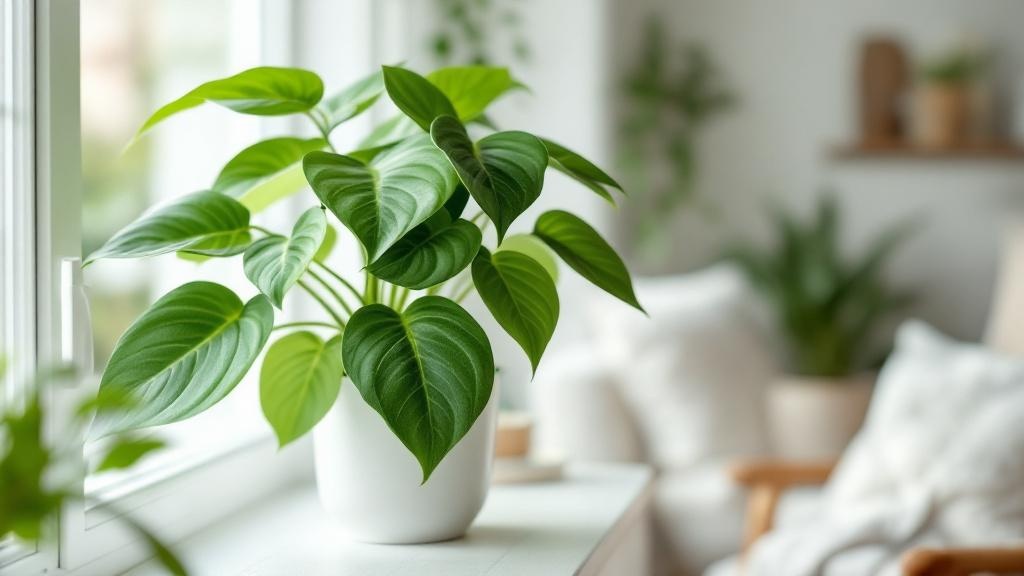
Watering Silver Pothos
Silver pothos prefers more consistent moisture than golden pothos but hates waterlogged soil. Water every 7-10 days in spring and summer when the top 2 cm of soil feels dry; reduce to every 10-14 days in autumn and winter as growth slows. Always use room-temperature water and ensure pots have drainage holes. If leaves yellow or stems rot, you are likely overwatering—cut back immediately.
Light Requirements
Silver pothos needs bright, indirect light to maintain its silver variegation; insufficient light causes spots to fade and growth to stall. A north-facing window with plenty of ambient light or an east-facing spot 1-2 metres from a window works well in temperate climates. Avoid harsh direct sun, which can scorch leaves. In winter, move it closer to a window to compensate for shorter daylight hours.
Soil & Repotting
Use a chunky, well-draining potting mix—combine standard houseplant compost with orchid bark, perlite, or coarse sand in a 2:1 ratio to prevent root rot. Repot every 18-24 months in spring when roots emerge from drainage holes. Silver pothos prefers slightly snug pots over oversized ones; too much soil around the roots leads to moisture retention and fungal issues.
Temperature & Humidity
Keep silver pothos between 18–24°C year-round; temperatures below 15°C slow growth and may cause leaf drop. Moderate humidity (50-60%) is ideal; in dry central heating during winter in temperate regions, mist leaves weekly or set the pot on a pebble tray with water. Avoid draughts from radiators or open windows, which cause stress and leaf yellowing.
Fertilizing Silver Pothos
Feed every 4 weeks in spring and summer with a balanced liquid houseplant fertilizer diluted to half strength. Stop fertilizing in autumn and winter when growth slows. Over-fertilizing causes salt buildup, leading to brown leaf tips and weak growth. A light hand works best for this moderate feeder—more frequent light feeding is safer than occasional heavy feeding.
Common Problems & Solutions
Fading silver spots indicate insufficient light—move the plant closer to a bright window immediately. Yellowing leaves with soft stems signal overwatering or poor drainage; repot into airy soil and allow the pot to dry slightly between waters. Spider mites and mealybugs are common pests in temperate homes, especially on dry indoor plants; spray affected leaves with neem oil or insecticidal soap every 7-10 days until clear. Prune any dead or diseased stems with clean secateurs.
Frequently asked questions
How often should I water silver pothos?
Water every 7-10 days in spring and summer when the top 2 cm of soil is dry; reduce to every 10-14 days in winter. Always check soil moisture before watering to avoid overwatering, which causes root rot faster in silver pothos than in other houseplants.
Why are my silver pothos leaves losing their silver spots?
Insufficient light is the primary cause—silver pothos needs bright, indirect light for variegation to show. Move it closer to an east-facing or bright north-facing window, and ensure it receives at least 4-6 hours of ambient light daily. Low light fades the striking silver markings within weeks.
Is silver pothos toxic to cats?
Yes, silver pothos is mildly toxic to cats and dogs. Ingestion causes mouth and throat irritation, drooling, and vomiting. Keep the plant out of reach of curious pets, or choose a high shelf or hanging basket to display it safely.
Can I propagate silver pothos from cuttings?
Yes, silver pothos propagates easily from 10-15 cm stem cuttings taken in spring or early summer. Place cuttings in water or moist potting mix, and roots develop in 2-3 weeks under bright light. Transfer rooted cuttings to soil once roots are 1-2 cm long.
What pests affect silver pothos indoors?
Spider mites and mealybugs are the most common pests in temperate homes, especially on plants in warm, dry conditions. Check the undersides of leaves weekly, and spray affected plants with neem oil or insecticidal soap every 7-10 days. Improving humidity and air circulation reduces pest pressure naturally.