Bishops Cap Cactus
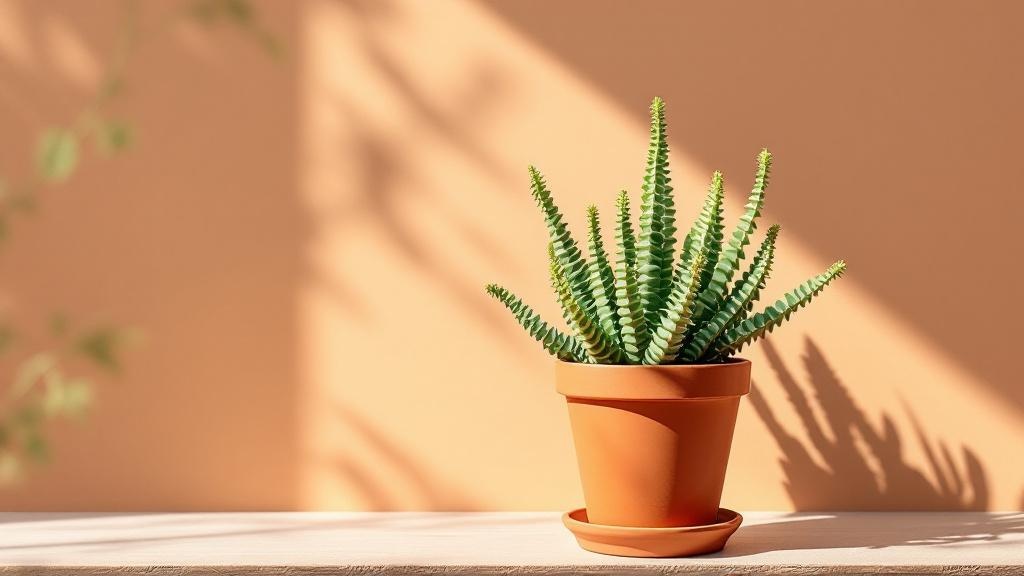
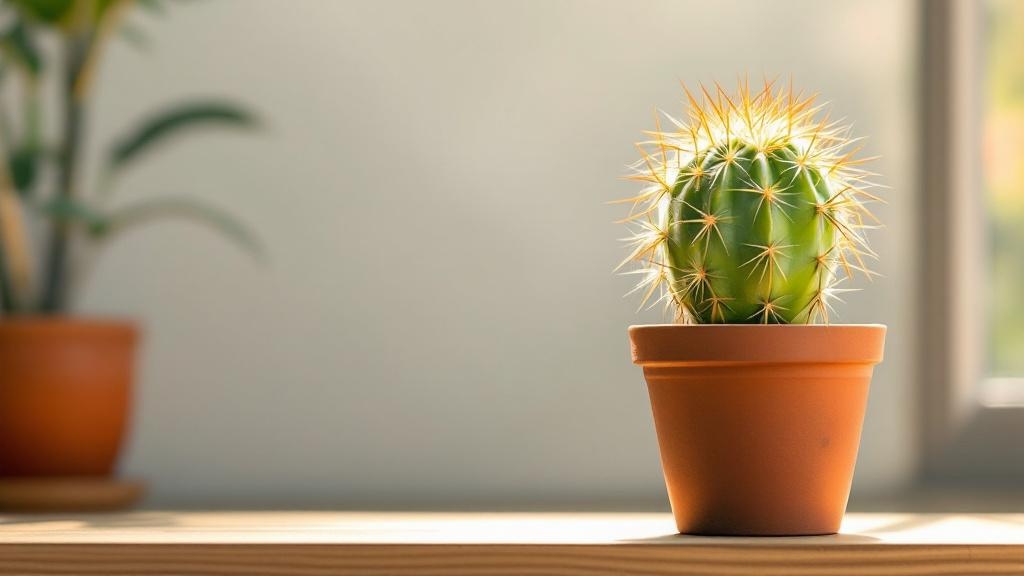
The Bishop's Cap Cactus catches every eye with its distinctive five-ribbed, star-shaped form and soft white dotted surface that looks almost artificial. Native to Mexican highlands, this spineless cactus adapts remarkably well to indoor cultivation in temperate climates. The most common question gardeners ask is how often to water this drought-loving plant, as overwatering remains the leading cause of failure. With proper care, your Bishop's Cap can live for decades and reward you with stunning yellow flowers each summer.
Watering Your Bishop's Cap Cactus Correctly
Water thoroughly every 3-4 weeks during the growing season from April through September, allowing the soil to dry completely between waterings. In winter, reduce watering to once every 5-6 weeks or even less. Always water the soil directly, avoiding the plant body, as moisture trapped in the ribs can cause rot. If in doubt, wait another week before watering.
Light Requirements for Optimal Growth
Position your Bishop's Cap Cactus in the brightest spot available, ideally a south-facing windowsill receiving at least 4-6 hours of direct sunlight daily. In temperate climates, the plant benefits from as much winter light as possible due to shorter days. If summer sun through glass becomes scorching in July or August, light shading during midday prevents sunburn on the white-flecked skin.
Soil and Repotting Guidelines
Use a fast-draining cactus and succite mix, or create your own by combining standard potting soil with 50% perlite or coarse sand. Repot every 2-3 years in spring, choosing a pot only slightly larger than the root ball with drainage holes. This cactus has a relatively small root system, so avoid oversized containers that retain excess moisture.
Temperature and Humidity Needs
Bishop's Cap Cactus thrives at normal room temperatures between 18-25°C during the growing season. In winter, a cool rest period at 5-12°C encourages spring flowering. Keep humidity low to moderate, standard indoor levels work well. Avoid placing near steamy bathrooms or kitchens, and never expose to frost.
Fertilizing for Healthy Development
Feed monthly from April through August with a diluted cactus fertilizer at half the recommended strength. Avoid fertilizing from September through March when the plant is dormant. Over-fertilizing causes unnatural elongated growth and weakens the plant structure. A light feeding schedule supports steady, compact growth and better flowering.
Common Problems and Solutions
Root rot from overwatering is the primary killer, showing as soft brown tissue at the base. Remove affected parts immediately, let the plant dry, and repot in fresh dry soil. Mealybugs sometimes appear as white cottony masses in the ribs, especially in dry indoor conditions. Treat with a cotton swab dipped in rubbing alcohol or neem oil. Etiolation, where the plant stretches and loses its compact shape, indicates insufficient light.
Frequently asked questions
How often should I water Bishop's Cap Cactus?
Water every 3-4 weeks in spring and summer, reducing to once every 5-6 weeks in winter. Always let the soil dry completely before watering again. The number one cause of death is overwatering, so when uncertain, wait longer.
Why is my Bishop's Cap Cactus turning yellow?
Yellowing typically indicates overwatering or root rot. Check the roots for brown mushy sections and reduce watering immediately. If the yellow is only on the sun-facing side, it may be sunburn from intense summer afternoon light through glass.
When does Bishop's Cap Cactus bloom?
Bishop's Cap Cactus blooms in summer, typically from June through August, producing yellow flowers with a red or orange center. Plants usually need to be 3-6 years old before flowering. A cool winter rest period at 5-12°C significantly improves flowering.
Is Bishop's Cap Cactus toxic to cats?
No, Bishop's Cap Cactus is non-toxic to cats, dogs, and humans. This makes it a safe choice for households with curious pets. The lack of spines also means no risk of injury from accidental contact.
How fast does Bishop's Cap Cactus grow?
Bishop's Cap Cactus grows slowly, adding roughly 1-2 centimeters in diameter per year under good conditions. A mature specimen reaches about 10-20 centimeters across after many years. This slow growth is normal and contributes to the plant's long lifespan of several decades.