Lady Finger Cactus
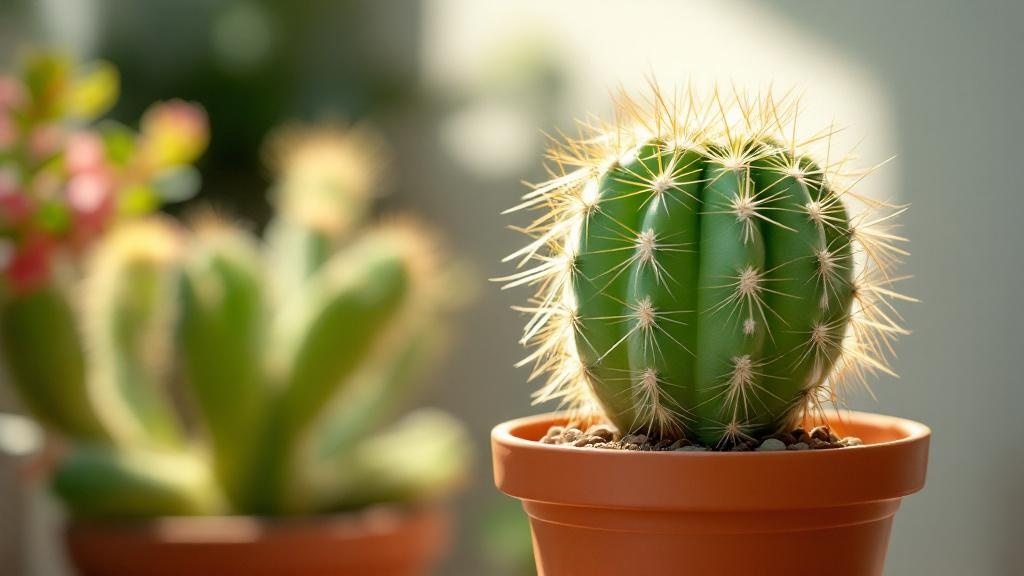
The Lady Finger Cactus (Mammillaria elongata) is one of the most forgiving cacti you can grow indoors, making it ideal for temperate climate homes where bright windowsills are available. Native to Mexico, this compact succulent produces clusters of elongated stems covered in harmless golden or brown spines. The most common question gardeners ask is how often to water it, since overwatering is the leading cause of death for this otherwise resilient plant.
Watering Your Lady Finger Cactus
Water thoroughly every 2-3 weeks during the growing season (April through September), allowing the soil to dry completely between waterings. In winter, reduce watering to once a month or less, as the plant enters dormancy and roots are prone to rot in cold, wet soil. Always empty the saucer beneath the pot after watering. When in doubt, wait another few days before watering.
Light Requirements for Mammillaria elongata
Place your Lady Finger Cactus in the brightest spot available, ideally a south or west-facing windowsill receiving 4-6 hours of direct sunlight daily. In UK and Northern European homes, supplement with a grow light during the darker months from November to February. Insufficient light causes etiolation, where stems stretch and become pale and weak.
Soil and Repotting Guidelines
Use a well-draining cactus and succulent mix, or create your own by combining regular potting soil with equal parts perlite or coarse sand. Repot every 2-3 years in spring, moving up only one pot size. Terracotta pots are excellent choices as they wick away excess moisture. Handle carefully during repotting, as the spines can irritate skin.
Temperature and Humidity Needs
Lady Finger Cactus thrives in average room temperatures between 15-24°C during the growing season. In winter, a cooler rest period of 10-15°C encourages spring flowering. Keep away from cold drafts near windows in January and February. Low humidity typical of heated homes suits this desert plant perfectly, so no misting is needed.
Fertilizing Your Cactus
Feed monthly from April through August with a diluted cactus fertilizer at half the recommended strength. Do not fertilize from September through March when growth slows. Over-fertilizing causes weak, leggy growth and can burn the roots. A single spring application of slow-release granules is an effective low-maintenance alternative.
Common Problems and Solutions
Root rot from overwatering is the most frequent killer, showing as soft, mushy stems at the base. Cut away affected parts with a sterile blade and repot in dry soil. Mealybugs appear as white cottony masses between the stems and can be treated with rubbing alcohol on a cotton swab. Scale insects occasionally attach to stems in centrally heated homes during winter and should be removed manually or treated with neem oil.
Frequently asked questions
How often should I water a Lady Finger Cactus?
Water every 2-3 weeks in summer and once a month or less in winter. Always let the soil dry out completely between waterings. Overwatering is far more dangerous than underwatering for this drought-tolerant cactus.
Why is my Lady Finger Cactus turning brown?
Brown patches usually indicate sunburn from sudden exposure to intense light, or rot from overwatering. If the brown area is soft and mushy, it is rot and you should cut it away immediately. If dry and crispy, move the plant to slightly filtered light.
When does Lady Finger Cactus bloom?
Lady Finger Cactus typically blooms in late spring, usually April to May, producing small cream or pale pink flowers in a ring around the stem tips. A cool winter rest period of 10-15°C significantly increases the chances of flowering.
Is Lady Finger Cactus toxic to cats?
No, Lady Finger Cactus is non-toxic to cats, dogs, and humans. However, the spines can cause physical irritation if touched or ingested, so place it out of reach of curious pets to prevent injury.
How fast does Mammillaria elongata grow?
Lady Finger Cactus grows relatively slowly, adding 1-3 centimeters of new growth per year under good conditions. It readily produces offsets around its base, forming attractive clusters within a few years. Growth nearly stops during the winter dormancy period.