Mediterranean Cypress
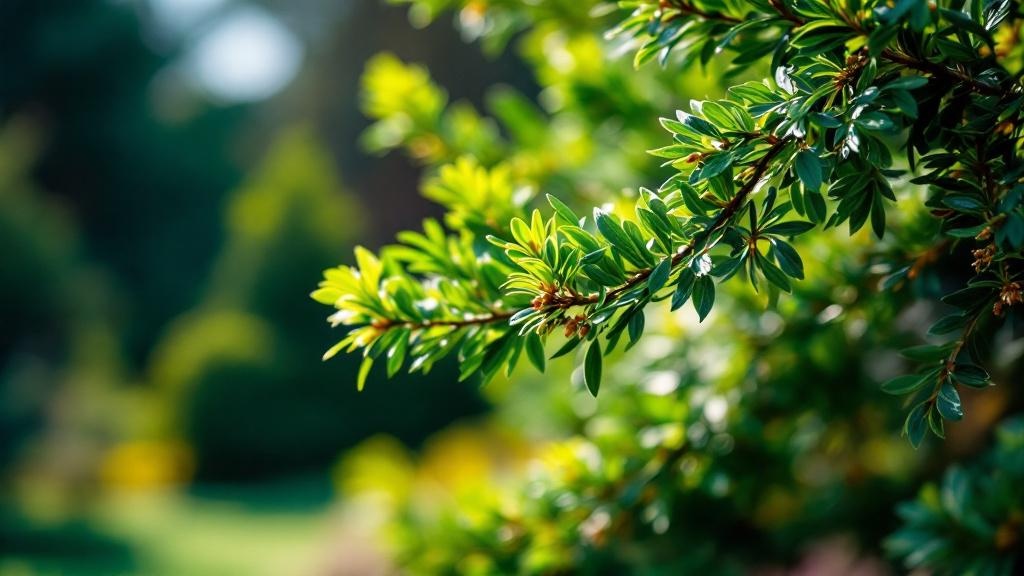
Mediterranean Cypress, the iconic Italian Cypress, captures the essence of sun-drenched Mediterranean gardens. While native to warmer regions, gardeners in temperate climates (USDA zones 5-8) can successfully grow this architectural beauty as a container plant on sheltered patios or indoors. The most common challenge is preventing root rot and managing its need for excellent drainage and consistent light during long winters.
Watering Mediterranean Cypress
Water thoroughly every 10-14 days, allowing the soil surface to dry between waterings. In winter (November to March), reduce frequency to every 3-4 weeks as growth slows dramatically. Mediterranean Cypress is highly susceptible to root rot, so use a pot with drainage holes and never allow it to sit in standing water. If the foliage turns brown or gray, overwatering is the likely culprit—scale back immediately.
Light Requirements for Healthy Growth
This tree demands a minimum of 6 hours of direct sunlight daily; 8+ hours is ideal. Position it on a south- or west-facing windowsill indoors, or place on a sunny, sheltered patio from April to October in temperate regions. In darker locations, the foliage becomes sparse and dull. If growing indoors year-round during winter months (December-February), consider supplemental grow lights to maintain vigor.
Soil and Repotting
Use a gritty, fast-draining potting mix—blend standard potting soil with perlite or coarse sand at a 2:1 ratio. Mediterranean Cypress prefers slightly lean, poor soil over rich compost, which encourages root issues. Repot every 2-3 years in spring (March-April) into a container only 2 cm larger in diameter. Use terracotta pots if possible, as they breathe better than plastic and help prevent waterlogging.
Temperature and Humidity
Ideal temperatures range from 10-20°C (50-68°F), mimicking mild Mediterranean winters. In temperate zones, bring container plants indoors or protect them in an unheated greenhouse or conservatory before the first frost (October-November). Mediterranean Cypress tolerates low humidity well and does not need misting. Good air circulation is more important—place it away from stagnant, humid corners to prevent fungal issues.
Fertilizing Your Mediterranean Cypress
Feed monthly from April to August with a balanced, diluted liquid fertilizer (half strength). Stop fertilizing in autumn and winter to allow dormancy. Over-feeding encourages lush, soft growth prone to pests and diseases. If growth slows or foliage looks pale, a light feeding with a balanced NPK (10-10-10) fertilizer is sufficient; do not use high-nitrogen formulas.
Common Problems and Solutions
Root rot from overwatering is the leading cause of decline—check soil moisture before watering and use excellent drainage. Spider mites may infest the foliage in hot, dry indoor conditions; spray with neem oil or insecticidal soap every 7-10 days if webbing appears. Brown foliage can also signal cold drafts, dry heating air indoors (winter), or insufficient light; improve conditions gradually and prune out dead growth in spring.
Frequently asked questions
How often should I water Mediterranean Cypress?
Water every 10-14 days when the soil surface is dry to the touch, reducing to every 3-4 weeks in winter (November-March). Always ensure pots have drainage holes and never let the plant sit in water, as it is highly prone to root rot.
Can I grow Mediterranean Cypress outdoors in temperate zones?
Yes, but only in the warmest months (May-September) on a sunny, sheltered patio in USDA zones 7-8. In zones 5-6, grow it in a pot and bring it indoors, under cover, or into an unheated greenhouse before the first hard frost in October.
Why is my Mediterranean Cypress turning brown?
Brown foliage typically signals overwatering and root rot, cold drafts, or insufficient light. Check the soil—if it is soggy, repot into fresh, dry soil and reduce watering frequency. Ensure at least 6 hours of direct sun daily and protect it from temperatures below 5°C (41°F).
What light does Mediterranean Cypress need indoors?
Place it on a bright south- or west-facing windowsill with a minimum of 6-8 hours of direct sun daily. If your home lacks bright light, supplement with a grow light positioned 30 cm above the foliage during winter months.
Is Mediterranean Cypress toxic to pets?
No, Mediterranean Cypress is non-toxic to cats, dogs, and humans. However, the foliage can be mildly irritating if ingested in large quantities, so it is best kept out of reach of curious pets.