Bitter Orange
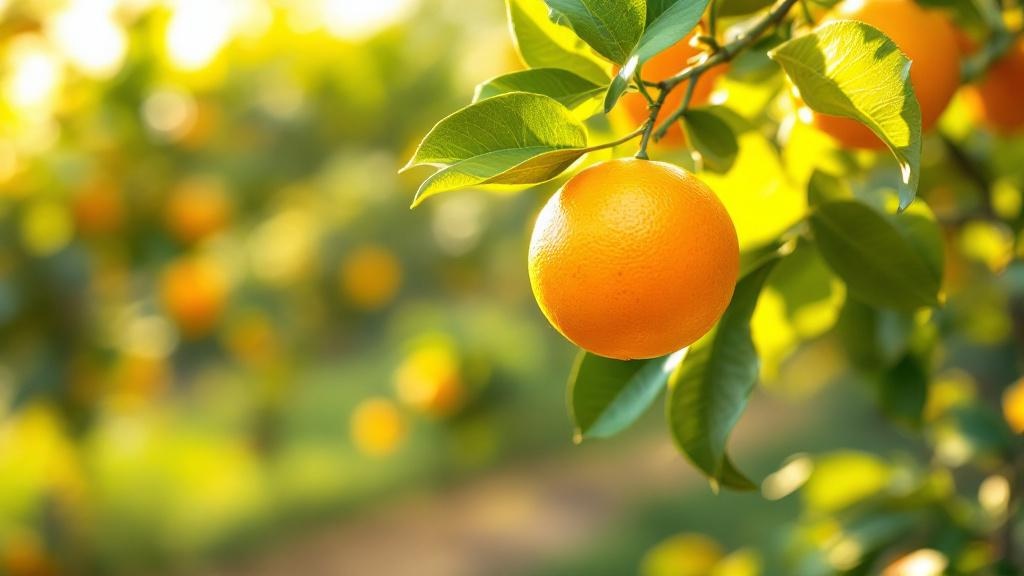
Bitter orange trees are elegant indoor citrus that produce heavily scented blossoms and tangy fruit—perfect for marmalade or culinary use. Unlike sweet oranges, bitter oranges tolerate cooler winters better, making them ideal for Central European and UK growers. The main challenge most gardeners face is achieving consistent flowering and preventing pest infestations indoors.
Watering Your Bitter Orange
Water when the top 2-3 cm of soil feels dry to the touch, typically every 7-10 days in growing season (April to October). Reduce watering in winter to every 10-14 days, as the tree enters semi-dormancy and water loss slows. Never let the pot sit in standing water, as citrus roots are prone to rot in soggy conditions. Use room-temperature water and avoid wetting the foliage, which invites fungal issues.
Light Requirements for Flowering
Bitter orange demands bright, indirect light for at least 6 hours daily to produce the abundant, fragrant white flowers for which it's prized. Position your tree near a south or west-facing window in temperate climates, or use a grow light supplemented in winter months when daylight is limited. If light is insufficient, flowering will be sparse or absent. Rotate the pot a quarter-turn weekly to ensure even growth.
Soil & Repotting
Use a well-draining citrus-specific potting mix or mix standard compost with 30% perlite or coarse sand to prevent waterlogging. Repot every 2-3 years in late March, just as growth resumes after winter rest, using a pot only 5 cm larger in diameter. Citrus prefers being slightly root-bound, so don't oversize the container. Ensure the pot has drainage holes; poor drainage is the leading cause of root rot in indoor citrus.
Temperature & Humidity
Bitter orange tolerates 15-25°C during the growing season but requires a cool winter dormancy period of 10-12°C (November to February) to trigger flowering. This is critical in temperate regions—place the tree in a cool room, unheated greenhouse, or cool windowsill away from radiators. Humidity should be moderate; if air is very dry, mist the foliage weekly or place the pot on a pebble tray with shallow water to boost humidity without wetting soil directly.
Fertilizing for Fruit Production
Apply a balanced, slow-release citrus fertilizer monthly from April to September, following package instructions carefully. In winter dormancy (October to March), skip feeding entirely. Citrus benefits from micronutrients; a citrus-specific formula will include magnesium and iron to prevent chlorosis (yellowing leaves with green veins). Over-fertilizing causes salt buildup and damages roots, so err toward underfeeding if unsure.
Common Problems & Solutions
Spider mites are the most frequent indoor pest, causing fine webbing and stippled leaves—spray the underside of foliage with water weekly or use neem oil if needed. Scale insects and mealybugs also infest indoor citrus; remove manually with a damp cloth or apply insecticidal soap in early summer. Yellow leaves combined with soft stems usually indicate overwatering or poor drainage; let soil dry out slightly and improve airflow. If flowers drop without setting fruit, the tree likely lacks the cool winter dormancy period it needs to reset for flowering.
Frequently asked questions
How often should I water my bitter orange tree?
Water every 7-10 days during the growing season (April to October) when the top 2-3 cm of soil is dry, and reduce to every 10-14 days in winter dormancy. Never allow the pot to sit in standing water, as citrus roots rot quickly in waterlogged soil.
Why isn't my bitter orange flowering?
Flowering requires both bright light (minimum 6 hours daily) and a cool winter dormancy period of 10-12°C from November to February. Without the cold period, the tree cannot reset its flowering cycle. Check that your tree is not near a radiator and receives sufficient winter light.
Can I grow bitter orange from seed?
Yes, bitter orange seeds germinate readily, but seedlings take 5-7 years to reach flowering size. For faster results, buy a grafted specimen from a nursery, which will flower within 2-3 years of good care.
Is bitter orange toxic to cats and dogs?
Bitter orange is mildly toxic; the skin oils and unripe fruit can cause mild digestive upset if chewed or ingested. Ripe fruit is generally safe in small quantities, but keep the tree out of reach of curious pets to be safe.
What does bitter orange fruit taste like and how do I use it?
Bitter orange (Seville orange) is sharply acidic and bitter, not sweet—it's rarely eaten raw but is ideal for marmalade, sauces, and cocktails. The fragrant peel is also used in perfumery and traditional medicine; harvest fruit when deep orange in color, typically December to February.