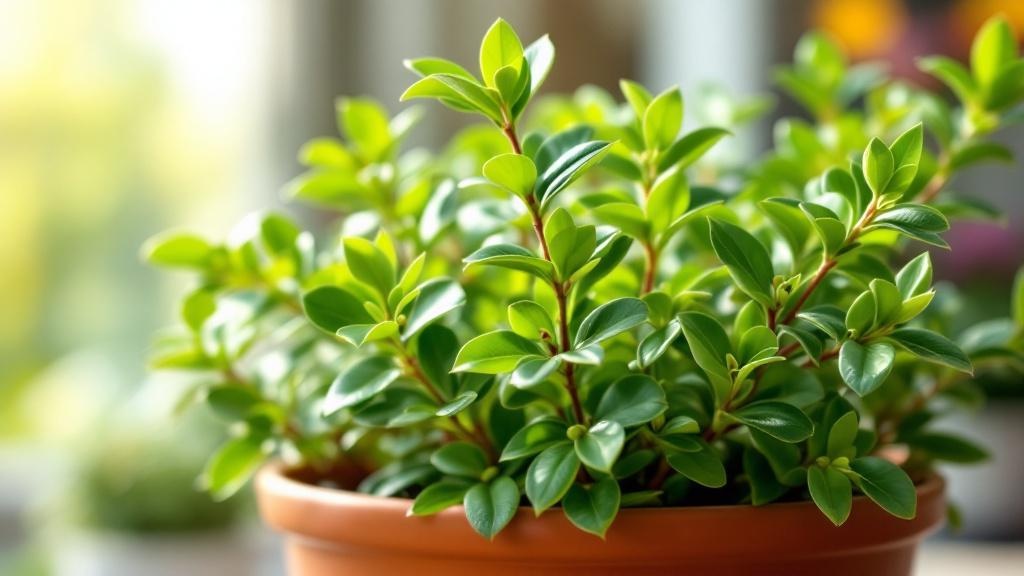
Chocolate Vine
Chocolate vine (Akebia quinata) is a semi-evergreen climbing vine prized for its sweetly fragrant purple flowers that bloom in spring and smell of chocolate and vanilla. In temperate gardens (zones 5-8), it's an excellent choice for pergolas, trellises, and arbors. The most common question gardeners ask is how to control its vigorous growth and encourage abundant flowering.
Watering Your Chocolate Vine
Water chocolate vine regularly during the growing season (spring through early autumn), keeping soil consistently moist but not waterlogged. Once established, it is drought-tolerant and requires water only during dry spells. In winter, reduce watering significantly as the plant enters dormancy. Check soil moisture before watering; the top inch should dry out slightly between waterings.
Light Requirements for Akebia
Chocolate vine thrives in full sun to partial shade, needing at least 6 hours of direct sunlight daily for best flowering. In very hot regions at the southern edge of zone 8, afternoon shade prevents leaf scorch. North-facing walls are acceptable but may produce fewer flowers. The more light it receives, the more profuse and fragrant the blooms will be.
Soil & Repotting Guidance
Plant chocolate vine in well-draining, fertile soil with a slightly acidic to neutral pH (6.0-7.0). If growing in containers, use a rich multipurpose compost mixed with perlite for drainage. Repot container plants every 2-3 years in early spring before growth begins. In gardens, amend heavy clay soil with compost or leaf mold to improve drainage.
Temperature & Humidity Preferences
Chocolate vine is hardy to -15°C and suitable for USDA zones 5-8 (equivalent to central Europe and northern US regions). It prefers cool to mild temperatures and tolerates fluctuating spring weather well. Humidity is not critical, though the plant benefits from air circulation to prevent fungal issues. In very exposed sites, young plants may need winter protection with mulch in their first year.
Fertilizing Chocolate Vine
Feed chocolate vine monthly from March to July with a balanced, all-purpose fertilizer diluted to half strength. Once established in the garden, annual feeding in early spring with compost or a slow-release granular fertilizer is often sufficient. Avoid high-nitrogen feeds, which promote leaf growth at the expense of flowers. Container plants need more frequent feeding—every 2-3 weeks during the growing season.
Common Problems & Solutions
Powdery mildew may appear in warm, humid springs; improve air circulation and spray with sulfur dust or a fungicide like potassium bicarbonate if severe. Aphids and spider mites can affect new growth; spray with insecticidal soap or neem oil in early morning. Excessive leaf drop in winter is normal for semi-evergreen plants, but if it occurs in summer, check for underwatering or heat stress.
Frequently asked questions
How often should I water chocolate vine?
Water regularly during growing season to keep soil consistently moist but not waterlogged, roughly every 7-10 days depending on rainfall and temperature. Once established, it is quite drought-tolerant. In winter, water sparingly as the plant is largely dormant.
When does chocolate vine flower and how do I encourage blooms?
Chocolate vine flowers in late April through May in temperate climates, with occasional secondary blooms in autumn. To maximize flowering, ensure at least 6 hours of direct sunlight daily, avoid excessive nitrogen fertilizer, and prune after flowering to remove old stems and shape the plant.
Is chocolate vine invasive in temperate gardens?
In zones 5-8, chocolate vine is vigorous but manageable with annual pruning after flowering. It is moderately invasive in warmer zones (9-10) but not problematic in colder temperate regions. Regular pruning keeps it contained and encourages more flowers.
Can I grow chocolate vine in a pot or container?
Yes, chocolate vine grows well in large containers (at least 60 liters) with drainage holes and rich, well-draining compost. Container plants require more frequent watering and feeding than garden plants, and you should repot every 2-3 years in spring. Provide a sturdy trellis or support as the vine will climb vigorously.
Why are my chocolate vine leaves turning yellow?
Yellow leaves usually indicate overwatering, poor drainage, or nutrient deficiency. Check that soil drains freely and allow it to dry slightly between waterings. If the plant is in poor soil, feed with a balanced fertilizer in spring. In severe cases, improve soil by adding compost and reducing watering frequency.