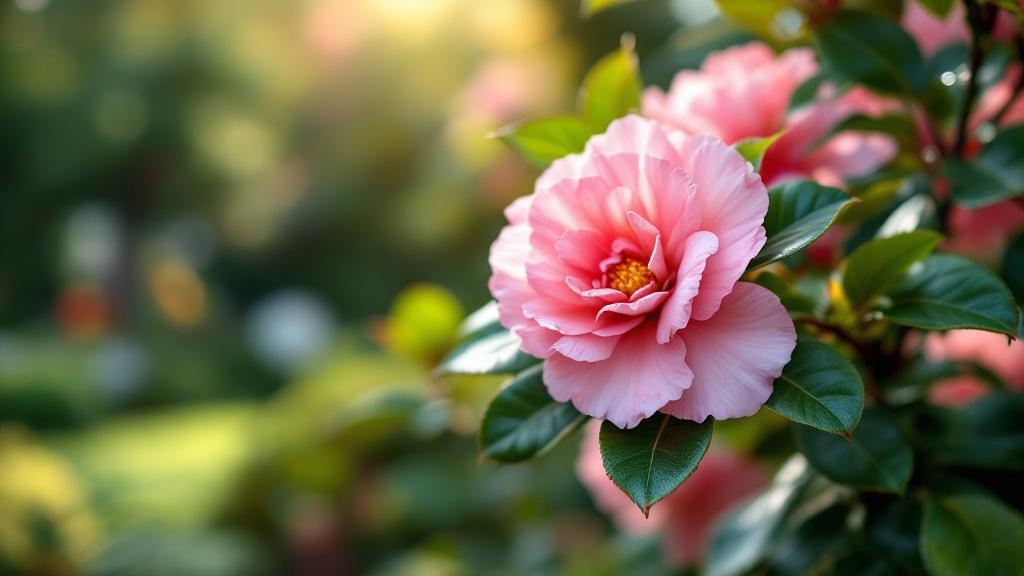
English Ivy
English ivy is one of the most forgiving houseplants for temperate homes, beloved for its glossy, variegated or solid-green foliage and cascading growth habit. Whether you're decorating a shelf or creating a living privacy screen, the most common question is how often to water without causing root rot—and the answer depends on your season and indoor temperature.
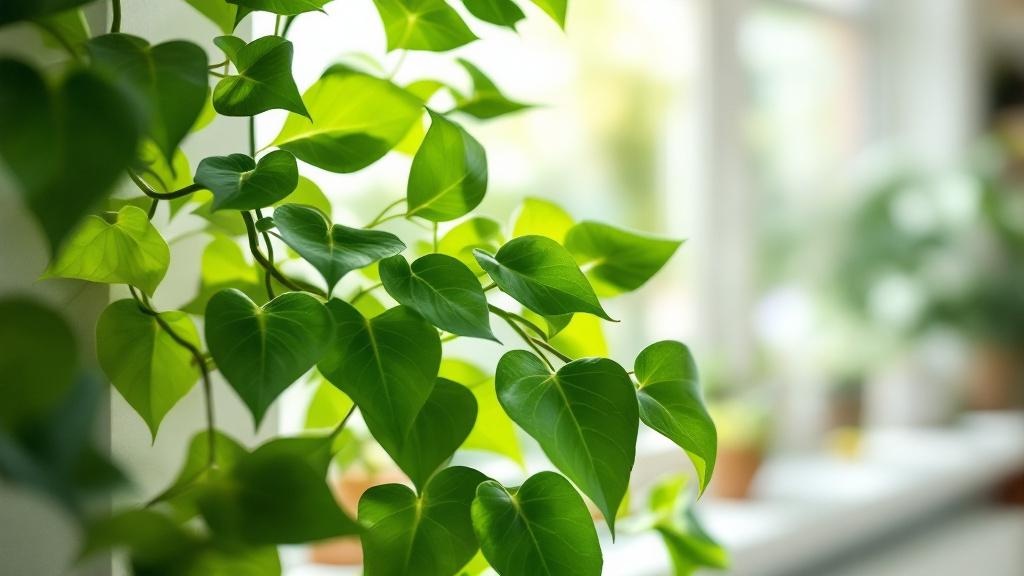
Watering English Ivy Properly
Water your English ivy every 7-10 days during the growing season (spring and summer), keeping the soil evenly moist but not waterlogged. In autumn and winter, reduce watering to every 10-14 days as growth slows and evaporation decreases in cooler, shorter days. Always check the top inch of soil with your finger before watering—if it feels damp, wait another day or two. Overwatering is the primary cause of root rot in ivy, especially in cooler months when the plant's water needs drop significantly.
Light Requirements for Healthy Growth
English ivy thrives in bright, indirect light and is one of the few houseplants that tolerates partial shade well, making it ideal for north-facing windows or interior corners. Variegated varieties need slightly more light to maintain their leaf patterns; solid green types adapt more readily to lower-light areas. Avoid direct, harsh afternoon sun, which can scorch delicate foliage, especially in summer. If your ivy becomes leggy or loses variegation, move it gradually closer to a brighter window over 2-3 weeks.
Soil and Repotting Your Ivy
Use a well-draining potting mix—a standard houseplant soil mixed with 20-30% perlite or orchid bark works well for temperate climates. English ivy prefers slightly acidic soil (pH 6.0-6.5). Repot in early spring every 18-24 months, or when roots emerge from drainage holes. Choose a pot only 1-2 inches larger than the current one, as ivy doesn't need excessive space and oversized pots retain too much moisture, increasing rot risk.
Temperature and Humidity Management
English ivy prefers cool to moderate temperatures between 50-70°F (10-21°C) and actually performs better in cooler homes than in warm ones. It tolerates average household humidity but benefits from occasional misting or placement on a humidity tray, especially in heated winter months common in Central Europe and northern regions. Avoid placing ivy near hot radiators or cold drafts from windows; consistent, cool conditions prevent stress. In zones 5-8, keep indoor ivy away from exterior walls that may experience temperature fluctuations.
Fertilizing Your English Ivy
Feed English ivy once every 3-4 weeks during spring and summer (April to September) with a balanced, diluted liquid fertilizer. Reduce feeding in autumn, and do not fertilize from November through February when the plant is semi-dormant. Over-fertilizing causes excessive soft growth that is more susceptible to pests and disease. A half-strength application is safer than full-strength, particularly for indoor plants where soil doesn't leach naturally.
Common Problems and Solutions
Spider mites thrive in warm, dry conditions and are a frequent indoor pest in winter heating season—spray affected ivy with insecticidal soap and increase humidity to control them. Root rot develops quickly if soil stays soggy; prevent it by using well-draining mix, watering only when the top inch is dry, and ensuring pots have drainage holes. Brown leaf tips often indicate either hard tap water or low humidity; use distilled water or collect rainwater, and mist foliage 2-3 times weekly during winter heating season.
Frequently asked questions
How often should I water English ivy indoors?
Water every 7-10 days during spring and summer, keeping soil evenly moist but not soggy, and every 10-14 days in autumn and winter when growth slows. Always check the top inch of soil first—if damp, wait another 2-3 days to avoid root rot.
Can English ivy grow in low light?
Yes, English ivy tolerates partial shade and low-light conditions better than most houseplants, making it excellent for north-facing windows or interior rooms. Variegated varieties may lose some leaf pattern in very dim light, but solid green types thrive with minimal illumination.
Why does my English ivy have brown leaves?
Brown leaf tips usually signal low humidity or mineral buildup from tap water; increase misting to 2-3 times weekly and consider switching to distilled or rainwater. If entire leaves are brown and mushy, root rot is likely—check roots, trim away blackened portions, and repot in fresh, dry soil.
Is English ivy safe for cats and dogs?
English ivy is mildly toxic to cats and dogs, causing mouth irritation and mild digestive upset if chewed. Place your ivy out of reach of pets, or supervise closely if you keep it in accessible areas.
When should I prune or trim English ivy?
Prune English ivy in late spring (May) or early summer to encourage bushier growth and prevent it from becoming leggy. Simply pinch off stem tips or cut stems just above a leaf node with clean scissors; the plant will branch and fill in nicely over 4-6 weeks.