Blue Oat Grass
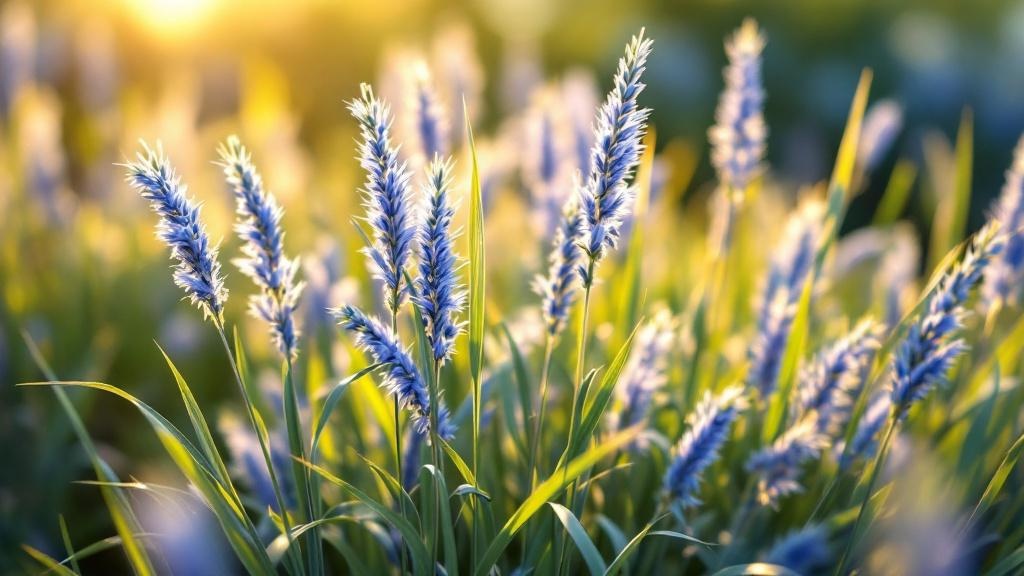
Blue Oat Grass is one of the most striking ornamental grasses you can grow, forming elegant fountains of silvery-blue foliage that hold their color year-round. Native to the western Mediterranean, it thrives in temperate gardens and tolerates cold winters down to USDA zone 4. The most common question gardeners ask is how to keep those signature blue leaves from turning brown or losing their vibrant color. This guide covers everything you need to know for success in Central European, UK, and Northern US gardens.
Watering Blue Oat Grass: Less Is More
Blue Oat Grass is remarkably drought-tolerant once established and prefers to stay on the dry side. Water newly planted specimens every 5-7 days during the first growing season, then reduce to every 10-14 days or only during extended dry spells. In typical UK or Northern European summers, rainfall alone is often sufficient. Overwatering is the main killer of this grass, leading to root rot and loss of that prized blue coloration.
Light Requirements for Vibrant Blue Foliage
Full sun is essential for Blue Oat Grass to develop its signature steel-blue color. Aim for at least 6 hours of direct sunlight daily. In partial shade, the foliage tends to turn greener and the plant becomes floppy and less architectural. South or west-facing positions work best in temperate gardens, where the grass can soak up afternoon sun.
Soil and Repotting for Healthy Roots
Blue Oat Grass demands excellent drainage above all else. Plant in sandy, gravelly, or rocky soil and avoid heavy clay unless you amend it heavily with grit. A slightly alkaline to neutral pH (6.5-8.0) is ideal. This grass resents transplanting, so choose its position carefully. If growing in containers, use a gritty cactus mix and ensure drainage holes are clear.
Temperature and Humidity Tolerance
This Mediterranean native is surprisingly cold-hardy, surviving winters down to minus 30°C once established. It thrives in USDA zones 4-8 and handles frost, snow, and cold winds without protection in most temperate gardens. However, Blue Oat Grass dislikes humid, muggy conditions and struggles in areas with hot, wet summers. Good air circulation around the clump helps prevent fungal issues during damp autumn months.
Fertilizing: Keep It Lean
Blue Oat Grass performs best in lean, unfertilized soil. Rich soil or heavy feeding causes floppy, green growth that loses the characteristic blue hue. If your soil is very poor, apply a light scattering of balanced slow-release fertilizer in April, but most gardeners find no feeding necessary. Skip fertilizer entirely from September onward to allow the plant to harden off before winter.
Common Problems and Solutions
Crown rot is the biggest threat, caused by wet, poorly-drained soil or humid conditions. Ensure sharp drainage and avoid mulching right up to the crown. Rust fungus can appear as orange pustules on leaves during damp autumns in the UK and Central Europe. Remove affected foliage and improve air circulation. Aphids occasionally colonize flower stems in late spring but rarely cause serious damage and can be hosed off or left for ladybirds to manage.
Frequently asked questions
How often should I water Blue Oat Grass?
Water established Blue Oat Grass every 10-14 days during dry periods, or not at all if rainfall is adequate. New plantings need water every 5-7 days in the first season. This grass is drought-tolerant and suffers more from overwatering than underwatering.
Why is my Blue Oat Grass turning brown?
Brown foliage usually indicates overwatering, poor drainage, or crown rot. Check that soil drains freely and reduce watering frequency. It can also result from planting in too much shade or from natural dieback of older leaves in the center of the clump, which should be combed out in early spring.
When should I cut back Blue Oat Grass?
Cut back Blue Oat Grass in late February to early March before new growth emerges. Unlike deciduous grasses, it is evergreen, so only remove dead or damaged foliage rather than cutting the whole clump to the ground. Use a steel rake or your fingers to comb out dead material from the center.
Is Blue Oat Grass toxic to cats?
No, Blue Oat Grass is non-toxic to cats, dogs, and other pets. It is safe to plant in gardens where animals roam freely. The tough, wiry foliage is not particularly palatable, so pets typically leave it alone.
Does Blue Oat Grass spread or become invasive?
Blue Oat Grass is a clump-forming grass that does not spread by runners or self-seed aggressively. It grows slowly and stays in a tidy mound about 60-90 cm wide. This makes it well-behaved in borders and rock gardens without risk of taking over.