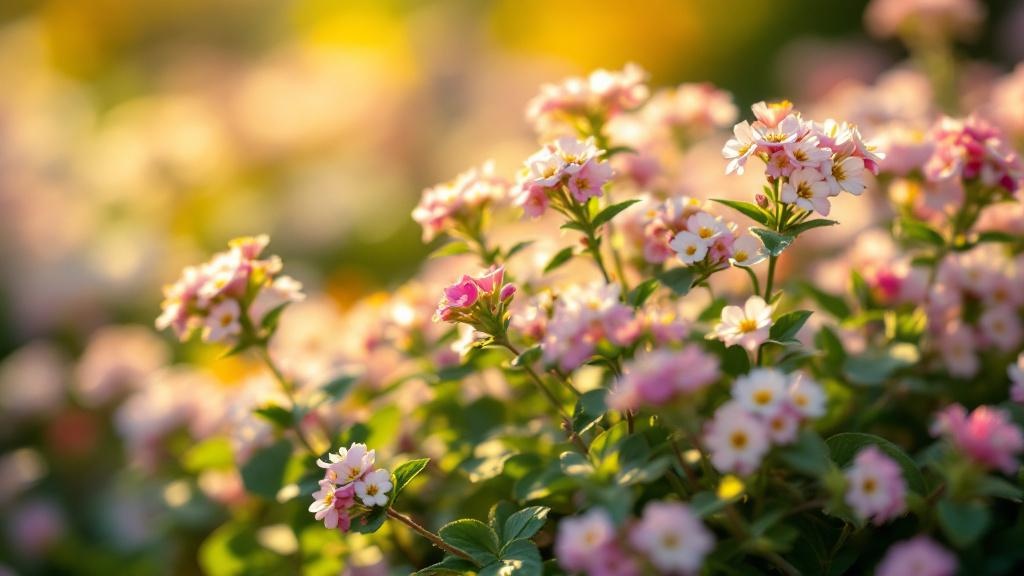
Sweet Alyssum
Sweet Alyssum is one of the most rewarding flowers for temperate gardeners, offering months of delicate, honey-scented blooms that attract beneficial pollinators. The most common question gardeners ask is why their Sweet Alyssum stops flowering in midsummer heat. Understanding this plant's preference for cooler temperatures is key to keeping it blooming from May through October in zones 5-8.
Watering Sweet Alyssum: Finding the Right Balance
Water Sweet Alyssum every 5-7 days, allowing the top 2-3 cm of soil to dry between waterings. During July and August heat waves, increase frequency to every 3-4 days, especially for container plants. Morning watering is best to prevent fungal issues. Established plants in garden beds are moderately drought-tolerant but bloom better with consistent moisture.
Light Requirements for Abundant Blooms
In temperate climates, Sweet Alyssum thrives in full sun (6+ hours daily) during spring and autumn. However, during the hottest weeks of July and August, afternoon shade helps prevent bloom pause. In northern UK or Scandinavia, full sun all day is ideal. South-facing borders work well for early and late season colour.
Soil and Planting Sweet Alyssum
Sweet Alyssum tolerates most well-draining soils with a pH of 6.0-7.5. No need for rich compost — average garden soil produces the best results. Plant seedlings 15-20 cm apart after the last frost (typically mid-May in zone 6). For containers, standard multipurpose compost works perfectly without additional amendments.
Temperature and Humidity Preferences
Sweet Alyssum performs best between 10-24°C and may stop blooming when temperatures exceed 28°C for extended periods. This cool-season lover often rebounds beautifully in September when nights turn cooler. Average humidity suits it fine; avoid overhead watering in humid conditions to prevent powdery mildew.
Fertilizing for Continuous Flowers
Feed Sweet Alyssum lightly every 4-6 weeks with a balanced liquid fertilizer diluted to half strength. Over-fertilizing produces lush foliage at the expense of flowers. Container plants benefit from slightly more frequent feeding. Stop fertilizing by early September to let plants wind down naturally before frost.
Common Problems and Solutions
Flea beetles create tiny holes in leaves during late spring — use floating row covers or neem oil spray if damage is severe. Powdery mildew appears as white patches in humid summers; improve air circulation and avoid evening watering. When plants become leggy and stop blooming in midsummer heat, shear them back by half and water well — they will rebloom within 2-3 weeks as temperatures cool.
Frequently asked questions
How often should I water Sweet Alyssum?
Water Sweet Alyssum every 5-7 days in normal conditions, or every 3-4 days during hot spells. Check soil moisture by inserting your finger 2-3 cm deep — if dry, it is time to water. Container plants dry out faster than those in garden beds.
Why did my Sweet Alyssum stop blooming in summer?
Sweet Alyssum naturally pauses flowering when temperatures consistently exceed 28°C. This is normal behaviour for this cool-season annual. Shear plants back by half in late July, keep them watered, and expect a flush of new blooms when September brings cooler weather.
When should I plant Sweet Alyssum outside?
Plant Sweet Alyssum outdoors after the last frost date, typically mid to late May in USDA zones 5-7. You can direct sow seeds in April under cloches or start transplants indoors 6-8 weeks earlier. In mild UK areas, late April planting often works well.
Is Sweet Alyssum toxic to cats and dogs?
No, Sweet Alyssum is non-toxic and safe around cats, dogs, and children. This makes it an excellent choice for pet-friendly gardens and households. You can plant it freely in areas where curious pets roam.
Does Sweet Alyssum come back every year?
Sweet Alyssum is typically grown as an annual in temperate zones 5-8, dying after hard frost. However, it self-seeds readily — expect volunteer seedlings to appear in late spring if you let some flowers go to seed. In mild winters, plants occasionally survive and regrow.