Bilberry
Bilberry, the European wild blueberry, has captured gardeners' attention for its deep purple berries bursting with antioxidants and that unmistakable wild flavor you cannot find in supermarkets. The most common question home growers ask is why their bilberry bush refuses to fruit, and the answer almost always comes down to soil pH. Getting this woodland understory plant to thrive requires mimicking its native forest floor conditions, but once established, bilberry rewards you with decades of harvests and stunning autumn foliage.
Watering Your Bilberry: Woodland Moisture Without Soggy Roots
Keep the soil consistently moist but never waterlogged, watering every 5-7 days during dry spells from May through September. Bilberries have shallow, fibrous root systems that dry out quickly in summer heat. Mulch heavily with pine needles or wood chips to retain moisture and maintain cool root temperatures. Reduce watering in late October as the plant enters dormancy.
Light Requirements: Embracing the Understory
Bilberries naturally grow beneath forest canopy, thriving in partial shade with 3-4 hours of morning sun and afternoon protection. Full sun is tolerated only in cooler regions with consistently moist soil. In temperate gardens, plant on the north side of buildings or beneath deciduous trees that provide dappled light. Too much direct summer sun scorches leaves and reduces berry production.
Soil and Repotting: The Acid Test
Bilberries demand strongly acidic soil with pH between 4.0 and 5.5, testing annually with a simple pH meter. Amend alkaline soils with sulfur chips in autumn, allowing winter months for soil chemistry to adjust before spring growth. Mix in generous amounts of ericaceous compost, leaf mold, or composted pine bark when planting. Container-grown bilberries need repotting every 2-3 years in spring using rhododendron or azalea potting mix.
Temperature and Humidity: Cool Climate Champions
Bilberries are extremely cold-hardy, surviving temperatures down to minus 30 degrees Celsius without protection, making them perfect for USDA zones 3-7. They require 800-1000 chill hours below 7 degrees Celsius for proper fruiting, naturally met in Central European and Northern US winters. High humidity and cool summers produce the best crops, while hot spells above 28 degrees Celsius stress plants significantly. Provide afternoon shade and extra mulch during July and August heat waves.
Fertilizing: Less Is More for Acid-Lovers
Apply a balanced ericaceous fertilizer in early April as new growth emerges, using half the recommended strength. A second light feeding in early June supports fruit development without promoting excessive leafy growth. Avoid lime-containing fertilizers and manure, which raise soil pH and damage bilberry roots. Top-dress annually with acidic organic matter like pine needle compost or composted oak leaves in late autumn.
Common Problems: Pests, Diseases, and Troubleshooting
Powdery mildew appears in humid conditions from late August, showing as white dusty patches on leaves; improve air circulation and remove affected foliage. Birds are your biggest competitor for ripe berries in July and August, requiring netting once fruits begin coloring. Vine weevil larvae attack roots in container-grown plants, causing sudden wilting in spring; use biological nematode controls in September. Chlorosis with yellowing leaves between green veins signals soil pH is too high.
Frequently asked questions
How often should I water bilberry plants?
Water bilberry plants every 5-7 days during the growing season, keeping soil consistently moist but not saturated. Shallow roots dry out quickly, especially in containers or sandy soil. Reduce watering frequency in autumn and winter when the plant is dormant.
Why is my bilberry not producing fruit?
The most common reason bilberries fail to fruit is incorrect soil pH above 5.5, which prevents nutrient uptake. Insufficient winter chill hours, too much shade, or plants younger than 3 years old also limit berry production. Test your soil pH and amend with sulfur if readings exceed 5.5.
When do bilberries bloom and fruit?
Bilberries bloom in late April to May with small pink bell-shaped flowers, and berries ripen from mid-July through August. Harvesting is typically done over 3-4 weeks as berries mature unevenly. Expect your first significant harvest 2-3 years after planting.
Is bilberry toxic to cats and dogs?
Bilberry is completely non-toxic to cats and dogs, and the berries are actually beneficial with antioxidant properties. Both leaves and fruit are safe if your pets nibble on the plant. This makes bilberry an excellent choice for gardens shared with curious animals.
What is the difference between bilberry and blueberry?
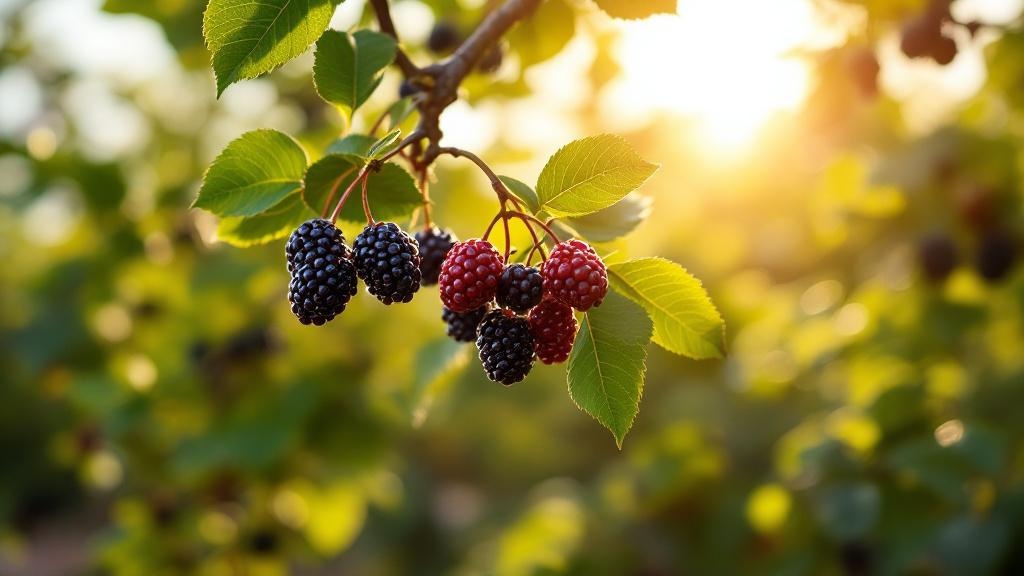
Bilberry (Vaccinium myrtillus) has smaller, darker berries with deep red flesh that stains intensely, while cultivated blueberries have pale green flesh. Bilberries grow as low spreading shrubs in woodland conditions and ripen later with more intense, complex flavor. They are more cold-tolerant but produce lower yields than commercial blueberry varieties.