Colorado Blue Spruce
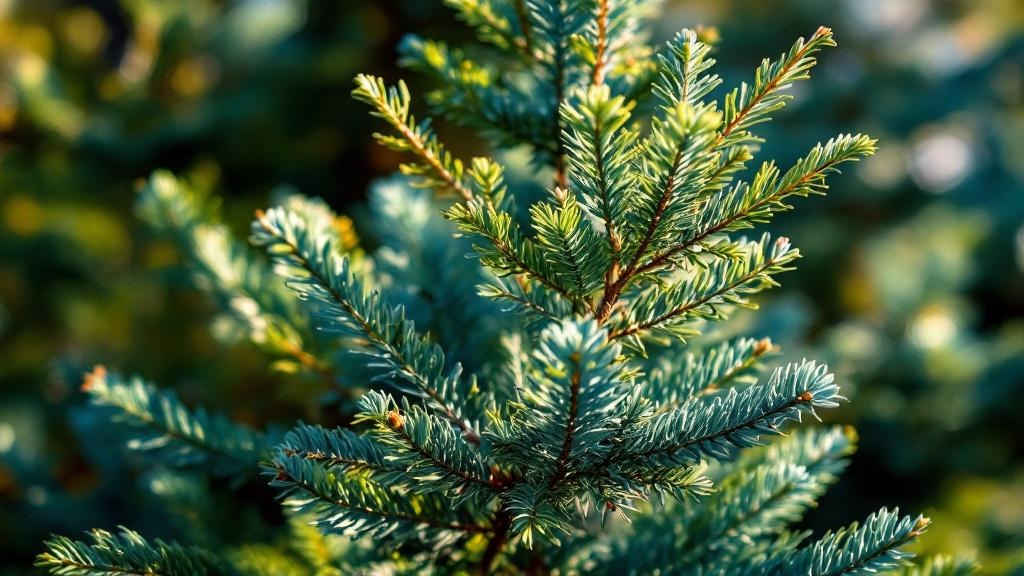
The Colorado Blue Spruce is one of the most recognizable conifers in temperate landscapes, beloved for its striking silvery-blue foliage and stately form. Native to the Rocky Mountains, it thrives in cooler climates and makes an excellent specimen tree, windbreak, or privacy screen. The most common question gardeners ask is how to maintain that iconic blue color and prevent needle drop, both of which come down to proper siting, watering, and pest management in your specific growing conditions.
Watering Your Colorado Blue Spruce
Established trees need deep watering every 10-14 days during dry summer spells, allowing the soil to dry slightly between waterings. Newly planted specimens require more frequent watering, roughly weekly through their first two growing seasons from April through October. In winter, water only during prolonged dry periods when the ground is not frozen. Overwatering in poorly drained soil is a common cause of root rot and needle browning.
Light Requirements for Healthy Blue Color
Colorado Blue Spruce requires full sun, meaning at least 6 hours of direct sunlight daily, to develop its characteristic silvery-blue color. Trees planted in partial shade will survive but produce greener, less vibrant foliage. In temperate climates, a south or west-facing position works best. Avoid planting near larger deciduous trees that will eventually shade your spruce.
Soil and Transplanting Guidelines
Plant in well-draining, slightly acidic to neutral soil with a pH between 6.0 and 7.5. Heavy clay soils should be amended with coarse sand and organic matter before planting. The best planting time in temperate regions is early spring (late March to April) or autumn (September to early October) when temperatures are cool and rainfall is reliable. Dig a hole twice the width of the root ball but no deeper than the root ball height to prevent settling.
Temperature and Climate Considerations
This exceptionally cold-hardy conifer thrives in USDA zones 2-7, tolerating winter temperatures down to -40°C without protection. However, it struggles in hot, humid summers and performs best where summer temperatures stay below 30°C. In warmer zone 8 areas, plant in locations with afternoon shade and good air circulation. Late spring frosts rarely damage established trees, but protect young transplants if hard frost is forecast after May.
Fertilizing for Optimal Growth
Apply a balanced slow-release fertilizer formulated for evergreens in early spring, around late March to mid-April, just as new growth begins. A second lighter application can be made in early June if growth seems slow. Avoid fertilizing after July, as late-season growth may not harden off before winter. Mature, established trees in good soil rarely need supplemental feeding beyond a yearly spring application.
Common Problems and Solutions
Cytospora canker is the most serious disease in temperate climates, causing branch dieback and resin bleeding on lower branches, especially on stressed trees older than 15 years. Prune affected branches 15cm below visible damage in dry weather and improve tree vigor through proper watering. Spider mites cause yellowing needles in hot, dry summers and can be controlled with strong water sprays or horticultural oil. Needle cast fungi cause purplish-brown needles that drop in spring; treat with copper fungicide in late spring and improve air circulation.
Frequently asked questions
How often should I water a Colorado Blue Spruce?
Water established Colorado Blue Spruce deeply every 10-14 days during dry periods in summer, less frequently in cooler months. Newly planted trees need weekly watering through their first two growing seasons. Always allow soil to partially dry between waterings to prevent root rot.
Why is my Blue Spruce turning green instead of blue?
Your Blue Spruce is likely turning green due to insufficient sunlight or natural genetic variation. Trees need full sun (6+ hours daily) to produce the waxy coating that creates the blue color. Some seedling-grown trees are simply less blue than grafted cultivars like 'Hoopsii' or 'Fat Albert'.
Why are my Colorado Blue Spruce needles turning brown and falling off?
Brown, dropping needles typically indicate Cytospora canker, drought stress, or spider mite infestation. Check for resin bleeding on branches (canker), feel if soil is bone dry (drought), or look for fine webbing on needles (mites). Address the specific cause promptly, as stressed trees decline quickly.
How fast does Colorado Blue Spruce grow?
Colorado Blue Spruce grows 30-60cm per year under optimal conditions, reaching 15-20 meters at maturity over 30-50 years. Young trees grow faster than mature specimens. Growth may slow significantly in hot summers or when trees are stressed by disease or poor soil conditions.
When is the best time to plant Colorado Blue Spruce?
The best planting time is early spring (late March to April) or early autumn (September to early October) in temperate climates. These periods offer cool temperatures and reliable rainfall, giving roots time to establish before summer heat or winter cold. Avoid planting in frozen ground or during summer heat waves.