Plumosa Fern
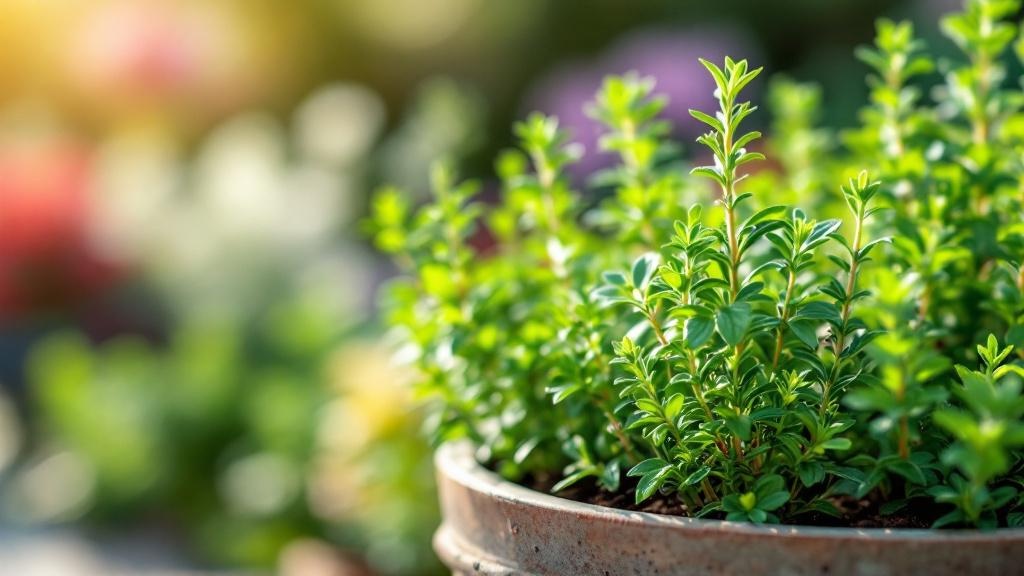
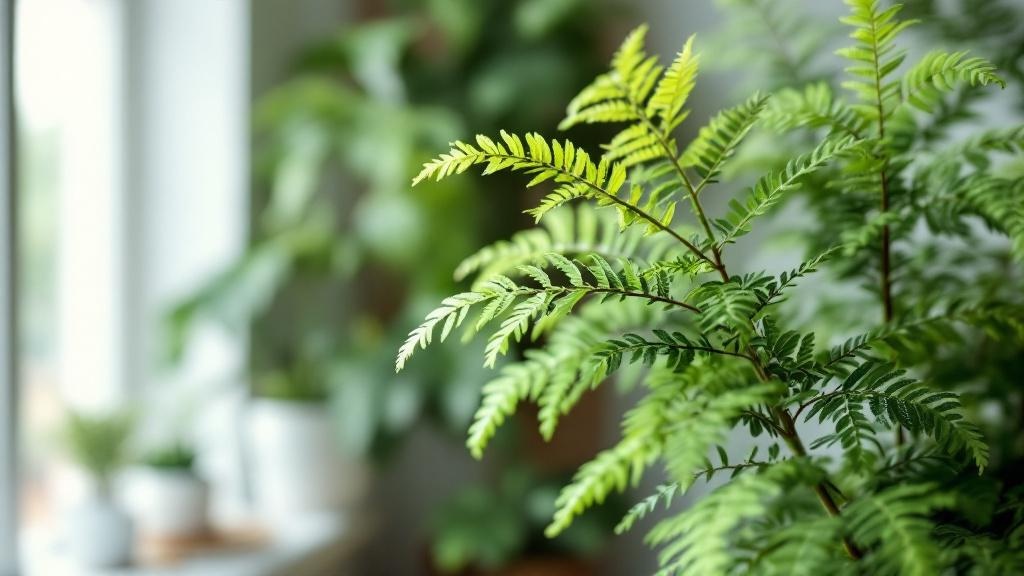
Plumosa Fern, or Asparagus plumosus, is beloved for its delicate, finely-divided foliage that resembles soft plumes. Though technically an asparagus relative, not a true fern, it demands similar moisture-loving care. The most common challenge gardeners face is browning fronds from inconsistent watering or low humidity—especially during winter heating season in colder climates.
Watering Your Plumosa Fern
Water every 5-7 days spring through autumn, allowing the top 1 cm of soil to dry slightly between waterings. In winter (November to March), reduce frequency to every 10-14 days as growth slows and evaporation decreases. Use room-temperature, ideally filtered water, as chlorine and hard water can cause frond tip burn. Never let the soil dry out completely or become waterlogged, as both trigger rapid frond loss.
Light Requirements for Healthy Growth
Place your Plumosa Fern in bright, indirect light near an east or north-facing window. It tolerates lower light but growth will slow; direct afternoon sun (especially in summer) scorches the delicate foliage. If you notice pale, stretched growth, move the plant closer to a light source. Rotate the pot every 2 weeks to encourage even, compact growth.
Soil and Repotting Guidance
Use a light, airy potting mix—combine peat moss, perlite, and bark in a 2:1:1 ratio. Repot in spring every 12-18 months when roots emerge from drainage holes or growth visibly stalls. Plumosa Ferns prefer slightly snug pots, so increase pot size by only 2-3 cm. Always use pots with drainage holes to prevent root rot, a common issue in temperate homes with inconsistent watering.
Temperature and Humidity Management
Maintain temperatures between 15-21°C; avoid cold drafts below 10°C, which cause sudden frond drop. Humidity is critical: aim for 50-60% relative humidity year-round. In winter when central heating dries air, mist fronds every 2-3 days with distilled water, or place the pot on a pebble tray filled with water (don't let the pot base touch water). A small humidifier nearby is ideal for preventing the brown, crispy fronds common in heated homes.
Fertilizing Schedule
Feed monthly with half-strength, balanced liquid fertilizer (10-10-10 NPK) from April to September. Stop fertilizing October through March when growth halts. Over-fertilizing causes salt buildup and tip burn; if brown tips persist, flush soil with distilled water. Organic options like diluted fish emulsion work well and are locally available in garden centres across Central Europe and the UK.
Common Problems and Solutions
Brown, crispy frond tips result from low humidity, hard water, or salt accumulation—use distilled water and mist regularly. Yellowing fronds indicate overwatering or poor drainage; reduce watering frequency and check drainage holes. Spider mites (tiny red or yellow specks on undersides) and mealybugs thrive in dry conditions; spray affected areas with water or use neem oil, available at most garden centres in temperate zones.
Frequently asked questions
How often should I water my Plumosa Fern?
Water every 5-7 days during spring and summer, keeping soil consistently moist but not waterlogged. In winter, reduce to every 10-14 days when growth slows and watering needs drop.
Why are my Plumosa Fern fronds turning brown?
Brown tips are usually caused by low humidity, hard water, or salt buildup in soil. Mist daily with distilled water, reduce tap water use, and flush the soil monthly with fresh water to prevent further browning.
Can Plumosa Fern grow in low light?
Plumosa Fern tolerates lower light but prefers bright, indirect conditions for best growth. In very low light, growth slows significantly and fronds may become sparse; move it closer to a window if possible.
Is Plumosa Fern toxic to cats and dogs?
Plumosa Fern is mildly toxic to cats and dogs. Ingestion typically causes mild digestive upset; keep it out of reach of pets to be safe, or monitor them if your home has curious animals.
How do I increase humidity for my Plumosa Fern?
Mist fronds every 2-3 days with distilled water, place the pot on a pebble tray filled with water (pot base above water level), or use a small humidifier. Humidity above 50% prevents the brown fronds typical in heated temperate homes during winter.