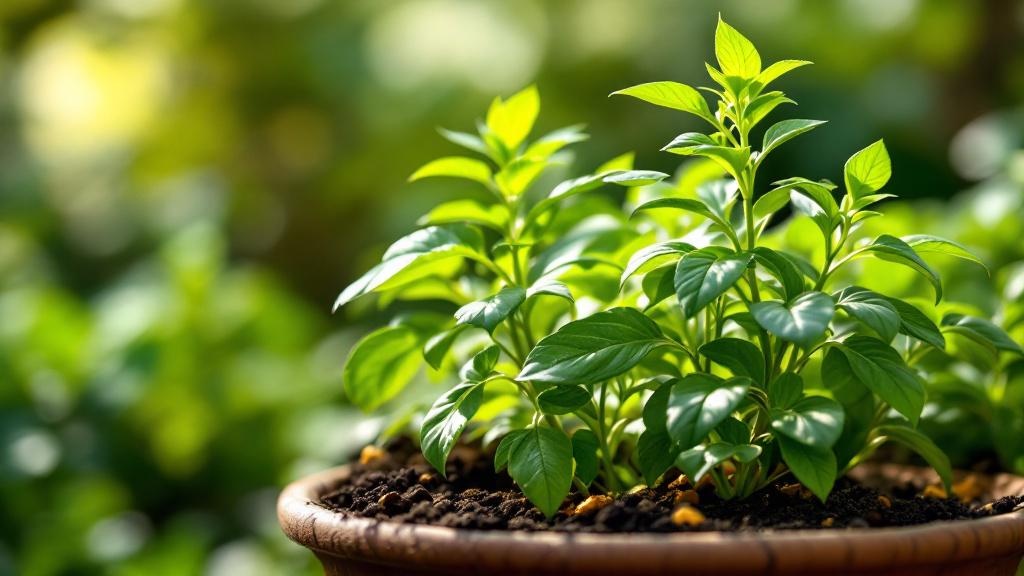
Parlor Palm
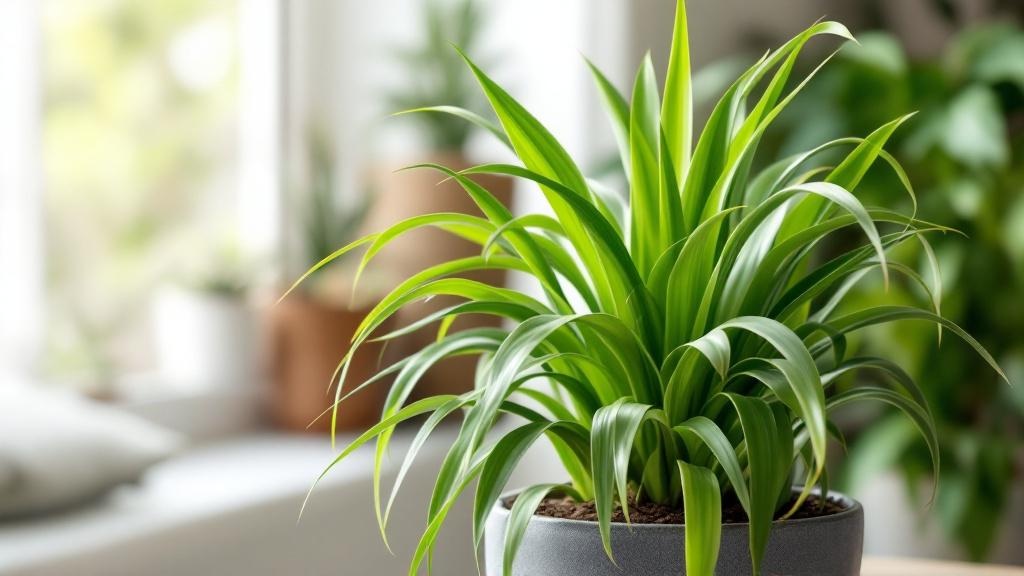
The Parlor Palm has graced European and American homes since the Victorian era, earning its name from the dimly lit parlor rooms where it thrived. Today, it remains one of the most popular indoor palms because it tolerates low light better than almost any other palm species. The most common question new owners ask is how to prevent brown leaf tips, which usually comes down to humidity and water quality rather than neglect.
Watering Your Parlor Palm Correctly
Water your Parlor Palm when the top 2-3 cm of soil feels dry, typically every 7-10 days in spring and summer. Reduce watering to every 14-18 days from November through February when growth slows. Always empty the saucer after 30 minutes to prevent root rot. Use room-temperature water and, if possible, rainwater or filtered water to avoid fluoride sensitivity.
Light Requirements for Healthy Fronds
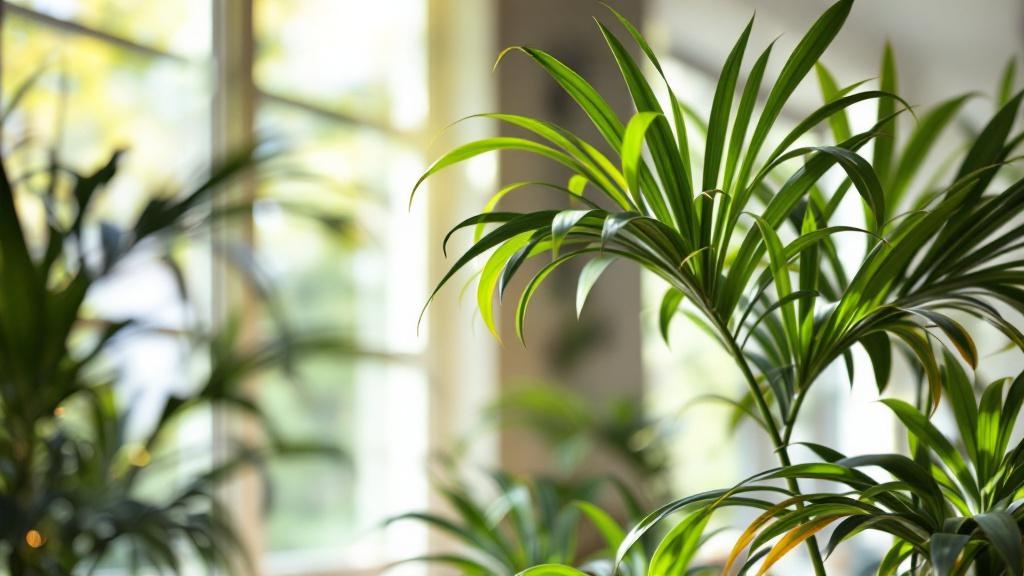
Parlor Palms prefer low to medium indirect light, making them ideal for north-facing windows or rooms with limited natural light. Avoid direct sunlight, especially the intense afternoon sun from May through August, which can scorch the delicate fronds. They can survive in quite dim corners but will grow faster with brighter filtered light. Rotate the pot quarterly for even growth.
Soil and Repotting Guidelines
Use a well-draining potting mix combining standard houseplant compost with perlite in a 2:1 ratio. Repot only when roots emerge from drainage holes, typically every 2-3 years in April or May. Choose a pot just 2-3 cm wider than the current one, as Parlor Palms prefer being slightly rootbound. Ensure the pot has adequate drainage holes.
Temperature and Humidity Needs
Maintain temperatures between 15-27°C year-round, keeping the plant away from radiators and cold drafts near windows during winter. Parlor Palms appreciate humidity above 50%, which can be challenging in centrally heated homes from October through March. Group plants together, use a pebble tray with water, or mist the fronds twice weekly during the heating season.
Fertilizing for Steady Growth
Feed with a balanced liquid houseplant fertilizer diluted to half strength once monthly from April through September. Do not fertilize from October through March when the plant enters its natural rest period. Over-fertilizing causes salt buildup that burns root tips and leads to brown leaf edges. Flush the soil with plain water every few months to prevent mineral accumulation.
Common Problems and Solutions
Brown leaf tips usually indicate low humidity or fluoride in tap water; switch to rainwater and increase humidity. Spider mites thrive in dry indoor air during winter heating season; check undersides of fronds regularly and treat with insecticidal soap if you spot fine webbing. Yellowing lower fronds are normal as the plant ages, but widespread yellowing suggests overwatering or poor drainage.
Frequently asked questions
How often should I water a Parlor Palm?
Water your Parlor Palm every 7-10 days in the growing season when the top 2-3 cm of soil is dry. In winter, reduce frequency to every 2-3 weeks as growth slows and evaporation decreases. Always check the soil moisture rather than following a strict schedule.
Why are my Parlor Palm leaves turning brown at the tips?
Brown tips are almost always caused by low humidity or chemicals in tap water. Increase humidity with a pebble tray or regular misting, and switch to rainwater or filtered water. Trim the brown tips with clean scissors at an angle for a natural look.
Is Parlor Palm safe for cats?
Yes, Parlor Palm is completely non-toxic to cats and dogs. This makes it one of the safest palm choices for pet owners. If your cat nibbles the fronds occasionally, no harm will come to them.
Can Parlor Palm grow in low light?
Parlor Palms are among the most shade-tolerant houseplants and can survive in low-light rooms where other plants struggle. They will grow more slowly in deep shade but remain healthy. For faster growth, provide bright indirect light away from direct sun.
When does a Parlor Palm flower indoors?
Mature Parlor Palms can produce small yellow flower sprays indoors, typically in late winter or early spring after reaching 3-4 years of age. Flowering depends on adequate light and overall plant health. The flowers are not showy but indicate a happy, well-established plant.