Bottlebrush
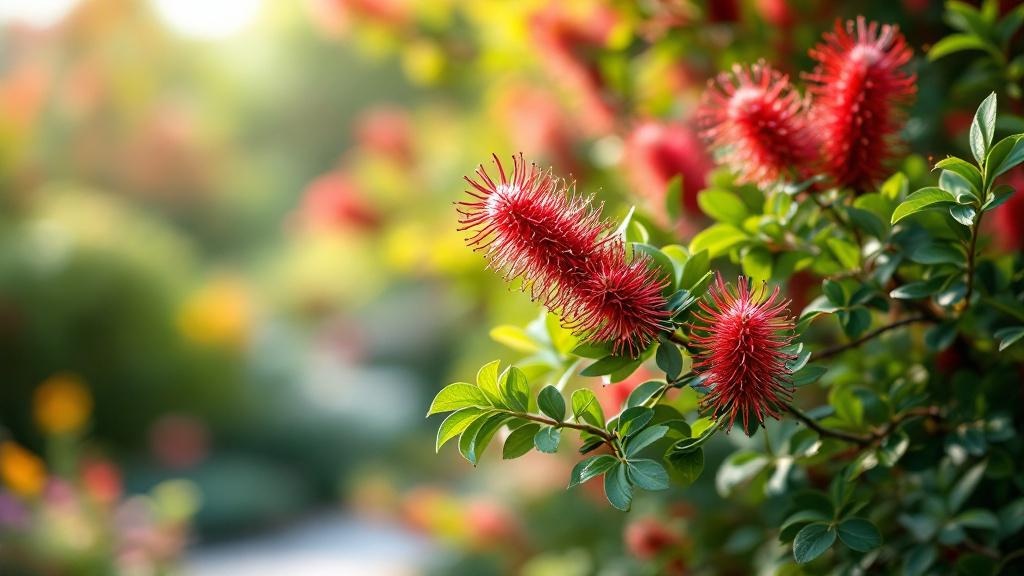
The bottlebrush is a showstopping ornamental shrub known for its vivid red, brush-like flower spikes that appear in late spring and summer. Native to Australia, it thrives in warm-temperate regions but requires winter protection in zones 5-7. The most common question gardeners ask is how to keep their bottlebrush blooming reliably and prevent leaf drop during cooler months.
Watering Your Bottlebrush
Water every 7-10 days during the growing season (April to September), allowing the top inch of soil to dry between waterings. In winter (October to March), reduce watering significantly—check soil moisture and water only when the surface is dry to the touch. Overwatering is the leading cause of root rot in bottlebrush, particularly in cooler months when growth slows. Use room-temperature water and avoid wetting the foliage to prevent fungal issues.
Light Requirements for Best Blooms
Bottlebrush requires full sun with a minimum of 6 hours of direct sunlight daily to produce abundant flower spikes. In temperate regions, south-facing or west-facing positions are ideal. If grown indoors or in a greenhouse, place it near a bright, unobstructed window; insufficient light will result in sparse foliage and few to no flowers. The more sun exposure, the more vibrant the red blooms will be.
Soil Composition and Repotting
Use a well-draining, sandy or loamy potting mix—avoid heavy clay soils and standard multipurpose compost, which retain too much moisture. A mix of 50% peat-free compost and 50% perlite or coarse sand works well. Repot every 2-3 years in spring (late March to April) into a container only slightly larger than the current one. Ensure the pot has drainage holes to prevent water accumulation around roots.
Temperature and Humidity Management
Bottlebrush prefers temperatures between 10°C and 27°C and is sensitive to frost. In zones 5-7, grow it in a large container that can be moved indoors or to a sheltered greenhouse before the first frost in October. Maintain humidity by misting foliage lightly in dry spells, but ensure good air circulation to prevent powdery mildew. Protect from harsh winter winds and temperatures below 5°C to avoid leaf drop and dieback.
Feeding and Fertilization
Feed with a low-nitrogen, phosphorus-rich fertilizer (such as a flowering plant formula) every 3-4 weeks from April to September. High nitrogen promotes leaf growth at the expense of flowers. In winter (November to February), do not fertilize as growth is minimal. Liquid fertilizer or slow-release granules diluted to half strength work well; Australian native plant fertilizers are particularly suited to bottlebrush.
Common Problems and Solutions
Yellow leaves and stem softness indicate overwatering or poor drainage—repot into fresh, dry soil and reduce watering frequency immediately. Powdery white coating on leaves suggests powdery mildew, common in humid conditions; improve air circulation, remove affected leaves, and apply sulfur-based fungicide in early mornings. Spider mites may appear in hot, dry indoor settings; spray foliage with water and isolate the plant. Watch for scale insects on stems in late summer; treat with neem oil or horticultural soap.
Frequently asked questions
How often should I water my bottlebrush plant?
Water every 7-10 days during spring and summer when the top inch of soil feels dry. Reduce to every 2-3 weeks in winter, or water only when soil is noticeably dry. Overwatering is the main cause of root rot in bottlebrush, so err on the side of underwatering in cooler months.
Why are the leaves on my bottlebrush turning yellow?
Yellow leaves almost always indicate overwatering or waterlogged soil, especially in winter when the plant needs less moisture. Check that your pot has good drainage and allow soil to dry out between waterings. If root rot has started, repot into fresh, dry soil and trim away any black, mushy roots with clean scissors.
When does bottlebrush bloom and how do I encourage more flowers?
Callistemon citrinus typically blooms from May to August, with peak flowering in June and July. To maximize blooms, ensure at least 6 hours of direct daily sunlight, use a phosphorus-rich fertilizer (low nitrogen), and prune lightly after flowering to shape the plant. Avoid overfertilizing, which promotes leaves over flowers.
Can bottlebrush survive outdoors in winter in temperate zones?
In zones 5-7, bottlebrush cannot survive outdoor winter temperatures consistently below 5°C and will suffer leaf drop or death. Grow it in a movable container and bring it indoors or into an unheated greenhouse in October. In zone 8 with shelter from cold winds, it may survive mild winters outdoors with protection like fleece wrapping.
Is bottlebrush toxic to cats and dogs?
No, Callistemon citrinus is non-toxic to both cats and dogs. It is safe to keep in homes with pets, though the stiff foliage and branches are not typically attractive for animals to nibble.