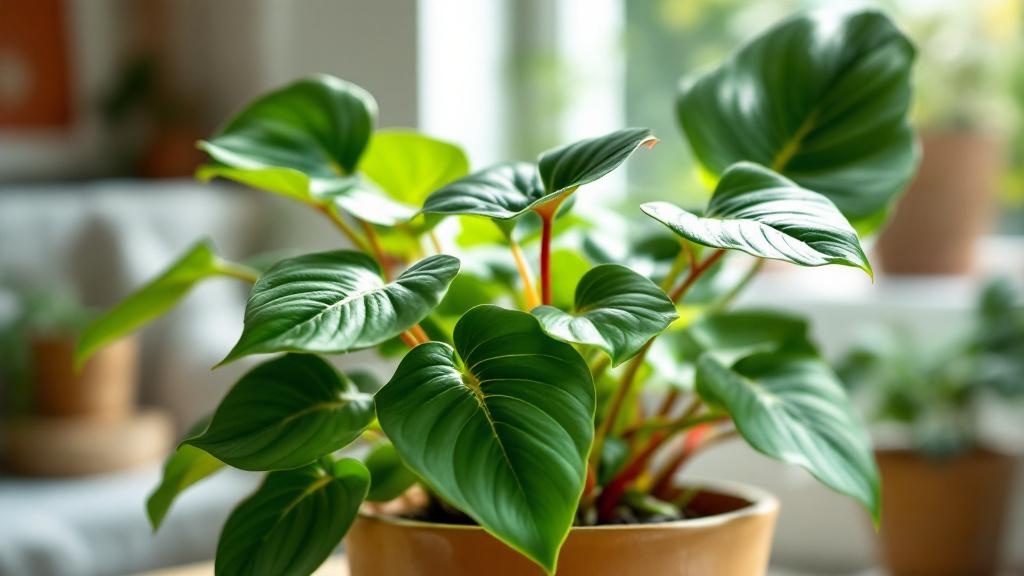
Coral Bells
Coral Bells have become a garden favorite for good reason — their jewel-toned leaves in shades of purple, coral, lime, and silver provide year-round interest when most shade plants look dull. The most common question gardeners ask is why their Heuchera leaves are wilting or turning brown. Usually, the answer lies in soil drainage and crown placement. Native to North American woodlands, these versatile perennials adapt beautifully to temperate gardens from USDA zones 4-9, making them perfect for UK, Central European, and Northern US gardens.
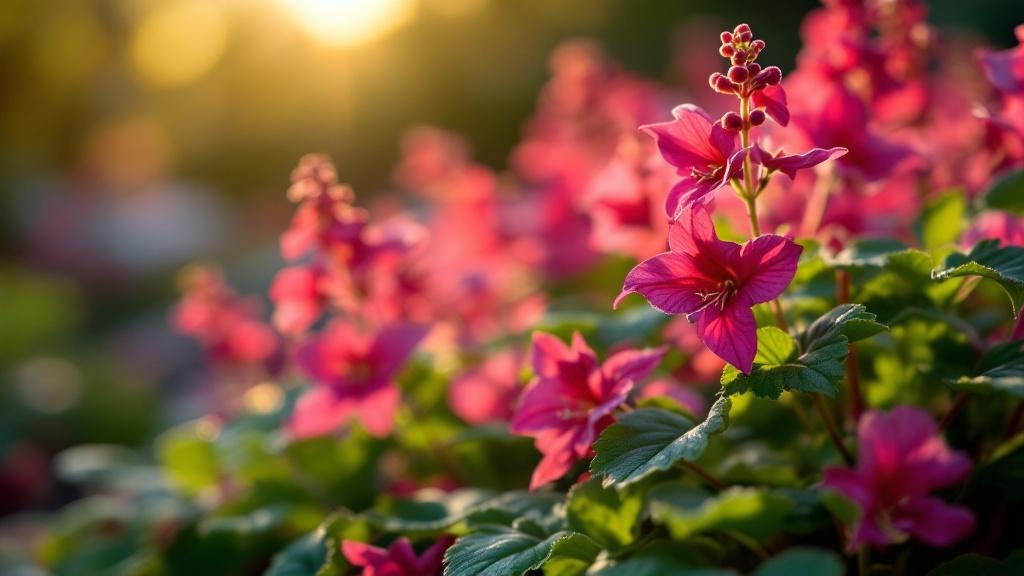
Watering Your Coral Bells Correctly
Water Coral Bells when the top 5cm of soil feels dry, typically every 7-10 days in summer and every 2-3 weeks in winter. These plants hate soggy roots but also struggle in prolonged drought. Morning watering works best, allowing foliage to dry before evening to prevent fungal issues. Mulch around (not on top of) the crown helps retain moisture during July and August heat.
Finding the Perfect Light for Heuchera
Coral Bells perform best in partial shade with 3-4 hours of morning sun and afternoon protection. Dark-leaved varieties like 'Palace Purple' tolerate more sun, while lighter varieties scorch in direct afternoon light. In Northern UK or Scandinavian gardens, they can handle more sun due to lower intensity. Avoid deep shade, which causes leggy growth and faded leaf color.
Soil Requirements and Repotting Heuchera
Plant Coral Bells in humus-rich, well-draining soil with a slightly acidic to neutral pH (6.0-7.0). Amend heavy clay with compost and grit to improve drainage — this is critical for winter survival. Repot container Heuchera every 2-3 years in early April, using fresh compost. The most important rule: never bury the crown, as this causes rot.
Temperature and Humidity Needs
Coral Bells are remarkably cold-hardy, surviving temperatures down to minus 30C once established. They thrive in the moderate humidity of temperate climates without special care. In late October, apply a light mulch of bark chips around plants to protect shallow roots from frost heave. Remove winter-damaged leaves in early March to make way for fresh spring growth.
Feeding Coral Bells Through the Season
Apply a balanced slow-release fertilizer (10-10-10) in early April as new growth emerges. A second light feeding in June supports flowering. Avoid high-nitrogen feeds, which produce weak, floppy growth at the expense of foliage color. Container plants benefit from diluted liquid feed every 3-4 weeks from May through August.
Common Coral Bells Problems and Solutions
Vine weevil is the most serious pest in temperate gardens — watch for notched leaf edges in summer and check roots for cream-colored grubs in autumn. Apply nematode treatment (Steinernema kraussei) to soil in September. Powdery mildew appears in humid conditions; improve air circulation and avoid overhead watering. Crown rot occurs in waterlogged soil — if the crown feels mushy, remove affected tissue and replant in better-drained soil.
Frequently asked questions
How often should I water Coral Bells?
Water Coral Bells every 7-10 days during the growing season when the top 5cm of soil is dry. Reduce to every 2-3 weeks in winter when growth slows. These plants need consistent moisture but will rot in waterlogged conditions.
Why are my Heuchera leaves turning brown?
Brown Heuchera leaves usually indicate sun scorch, drought stress, or crown rot. Check if the plant is getting afternoon shade and water if the soil is dry. If the crown feels soft or mushy, rot has set in from poor drainage — cut away damaged tissue and improve soil conditions.
When do Coral Bells bloom?
Coral Bells bloom from late May through July in temperate climates, producing delicate bell-shaped flowers on tall wiry stems. The flowers are subtle compared to the foliage but attract pollinators. Deadhead spent flower stalks to tidy plants, though some gardeners remove them entirely to focus energy on leaves.
Are Coral Bells toxic to cats?
No, Coral Bells are completely non-toxic to cats, dogs, and other pets. They are one of the safest ornamental plants for households with curious animals. You can plant them freely in accessible garden areas without worry.
Do Coral Bells come back every year?
Yes, Coral Bells are hardy herbaceous perennials that return reliably for 4-5 years or longer in temperate climates. They may look tired after winter, but fresh foliage emerges in March and April. Divide clumps every 3-4 years in early spring when the woody crown becomes raised above soil level.