Nerve Plant
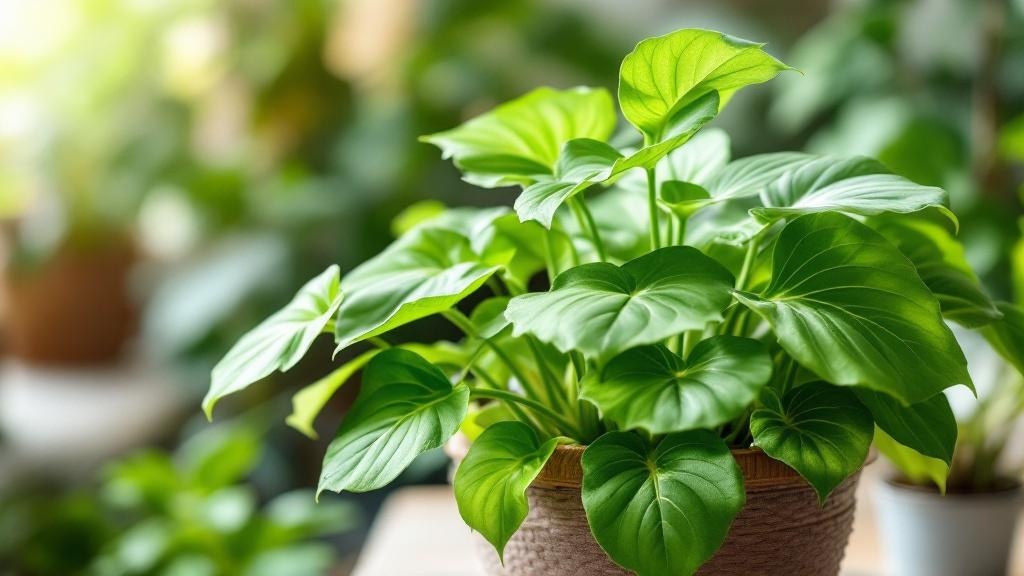
The Nerve Plant captivates with its delicate network of white, pink, or red veins across deep green leaves. Native to South American rainforests, this compact beauty thrives in the humid, low-light conditions that mimic its forest floor origins. The most common question Fittonia owners ask is why their plant dramatically collapses, seemingly overnight. The good news: this theatrical fainting act is usually just a cry for water, and recovery is remarkably quick once you understand this plant's needs.
Watering Your Nerve Plant: Consistency Is Key
Fittonia prefers consistently moist soil but never waterlogged conditions. Water every 3-5 days during spring and summer, reducing to every 7-10 days from October through February when growth slows. Always check the top centimetre of soil; if dry, it is time to water. If your Nerve Plant dramatically wilts, water immediately and watch it perk up within hours.
Light Requirements: Embrace the Shade
Nerve Plants thrive in bright indirect light but tolerate lower light levels that would stress most houseplants. Avoid direct sunlight, especially the intense afternoon sun from May through August, which quickly scorches the delicate leaves. A north-facing windowsill or a spot 2-3 metres from an east or west window works beautifully. Fittonias also flourish under artificial lighting, making them perfect for offices and bathrooms.
Soil and Repotting Your Fittonia
Use a peat-based potting mix with added perlite for drainage, or a quality African violet mix works well. Repot in April or May when roots emerge from drainage holes, typically every 12-18 months. Choose a pot only 2-3 centimetres larger than the current one, as Fittonias prefer snug conditions. Ensure excellent drainage to prevent root rot.
Temperature and Humidity Needs
Maintain temperatures between 18-26°C year-round and never let it drop below 13°C. Keep your Nerve Plant away from radiators during the heating season from October to March and far from cold windowpanes in winter. Humidity is critical; aim for 50% or higher by misting daily, using a pebble tray, or grouping with other plants. Terrariums provide ideal conditions for this humidity-loving species.
Fertilizing for Vibrant Foliage
Feed monthly from April through September with a balanced liquid houseplant fertilizer diluted to half strength. Skip fertilizing entirely from October to March when growth naturally slows. Over-fertilizing causes brown leaf tips and salt buildup in the soil. If you notice white crusty deposits on the soil surface, flush the pot with plain water to remove excess minerals.
Common Problems and Solutions
Dramatic wilting is the most frequent issue, caused by underwatering; give your plant a thorough drink and it will recover within hours. Brown, crispy leaf edges indicate low humidity, common during the central heating season from November to March. Fungus gnats may appear in consistently moist soil; let the top layer dry slightly between waterings and use yellow sticky traps. Root rot from overwatering shows as yellowing leaves and mushy stems; repot into fresh soil and reduce watering frequency.
Frequently asked questions
Why does my Nerve Plant keep fainting?
Your Fittonia faints dramatically when the soil dries out, but this is rarely fatal. Water thoroughly as soon as you notice wilting, and your plant should recover within 2-4 hours. Prevent future episodes by checking soil moisture every 2-3 days and maintaining consistent watering.
How often should I water my Nerve Plant?
Water your Nerve Plant every 3-5 days during the growing season from April to September. In winter, extend this to every 7-10 days as growth slows. Always check that the top centimetre of soil is dry before watering to avoid overwatering.
Is Nerve Plant toxic to cats?
No, Nerve Plant is non-toxic and safe for cats, dogs, and children. This makes Fittonia an excellent choice for pet-friendly households. However, ingesting large amounts of any plant material may still cause mild stomach upset in curious pets.
Can Nerve Plant survive in low light?
Yes, Nerve Plant tolerates low light conditions better than most houseplants. While it prefers bright indirect light for optimal growth and vivid leaf coloration, it will survive in shadier spots. Avoid direct sunlight, which scorches its delicate leaves.
Why are my Nerve Plant leaves turning yellow?
Yellow leaves on Fittonia typically indicate overwatering or root rot. Check the soil moisture and ensure your pot has drainage holes. If the roots look brown and mushy, trim damaged roots and repot into fresh, well-draining soil, then water less frequently.