Fenugreek
Fenugreek is one of the most rewarding herbs you can grow at home, offering both fresh microgreens and flavorful seeds within a single season. Native to the Mediterranean, this annual adapts well to temperate gardens when planted after the last frost. The most common question gardeners ask is how to prevent fenugreek from bolting too quickly in summer heat, which cuts the leaf harvest short. With proper timing and care, you can enjoy continuous harvests from May through September.
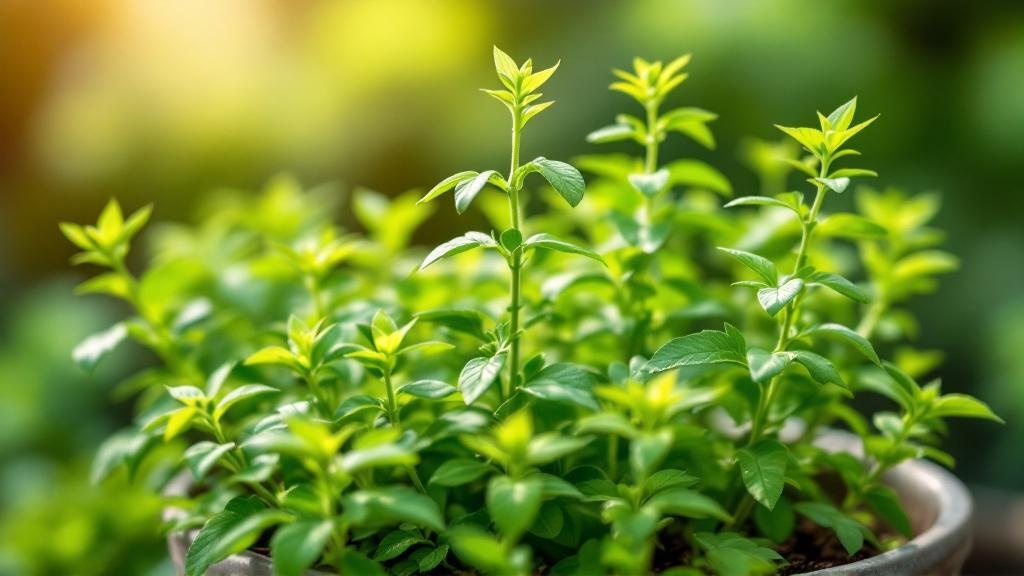
Watering Fenugreek: Keeping Soil Consistently Moist
Water fenugreek every 3-5 days during the growing season, keeping soil evenly moist but never waterlogged. In hot July and August weather, check soil moisture daily as containers dry out quickly. Reduce watering if growing for seed harvest once pods begin forming. Inconsistent watering causes premature bolting and bitter-tasting leaves.
Light Requirements: Full Sun for Best Growth
Fenugreek performs best with at least 6 hours of direct sunlight daily. In temperate climates, a south-facing position works well from May onwards. Some afternoon shade during heat waves in July can actually extend your leaf harvest by slowing bolting. Indoor growers should place plants on the brightest windowsill available or use grow lights for 10-12 hours daily.
Soil and Repotting: Simple Needs for Vigorous Growth
Plant fenugreek in well-draining loam with a pH between 6.0 and 7.0. Mix in some garden lime if your soil is acidic. This herb has a long taproot, so choose containers at least 20cm deep if not growing in the ground. As an annual, fenugreek does not require repotting — simply direct sow fresh seeds each spring after mid-April.
Temperature and Humidity: Warm Season Growing
Fenugreek thrives between 15-25°C and tolerates brief periods up to 30°C. Sow seeds outdoors after the last frost, typically late April to early May in zones 5-8. The plant cannot survive frost, so complete your harvest before October temperatures drop. Average household humidity is perfectly adequate; this Mediterranean native actually prefers drier conditions over tropical humidity.
Fertilizing Fenugreek: Light Feeding Only
As a nitrogen-fixing legume, fenugreek has modest fertilizer needs. Work compost into the soil before planting and apply a balanced liquid fertilizer at half strength once monthly. Over-fertilizing produces lush foliage with diminished flavor and aroma. For seed production, reduce feeding entirely once flowers appear in midsummer.
Common Problems: Pests and Diseases to Watch
Aphids are the primary pest, clustering on new growth from June onwards — spray them off with water or use insecticidal soap. Powdery mildew appears in humid late-summer conditions; improve air circulation and avoid overhead watering to prevent it. Root rot occurs in waterlogged soil, especially in heavy clay — ensure drainage holes are clear and avoid overwatering during cool, cloudy periods.
Frequently asked questions
How often should I water fenugreek?
Water fenugreek every 3-5 days to maintain consistent soil moisture. During hot summer spells, daily watering may be necessary for container plants. Always check that the top 2cm of soil has dried before watering again to prevent root rot.
Why are my fenugreek leaves turning yellow?
Yellow fenugreek leaves typically indicate overwatering or poor drainage. Check that your container has adequate drainage holes and allow soil to dry slightly between waterings. Yellowing lower leaves on mature plants can also signal the natural end of the growing cycle as the plant focuses energy on seed production.
When should I plant fenugreek seeds?
Plant fenugreek seeds outdoors from late April to early May, after the last frost date in your area. For continuous leaf harvests, sow successive batches every 3 weeks until mid-July. Seeds germinate best in soil temperatures between 15-20°C and sprout within 5-7 days.
Can I grow fenugreek indoors?
Yes, fenugreek grows well indoors on a sunny windowsill or under grow lights. Use a deep pot of at least 20cm to accommodate its taproot, and ensure 10-12 hours of bright light daily. Indoor plants are perfect for year-round microgreen production, ready to harvest in just 10-14 days.
How do I harvest fenugreek leaves and seeds?
Harvest fenugreek leaves once plants reach 15cm tall, cutting outer leaves first or trimming the whole plant to 5cm above soil. For seeds, allow plants to flower and form pods through August and September, then harvest when pods turn brown and dry. Thresh the pods to release seeds and store in an airtight container.