Amaryllis
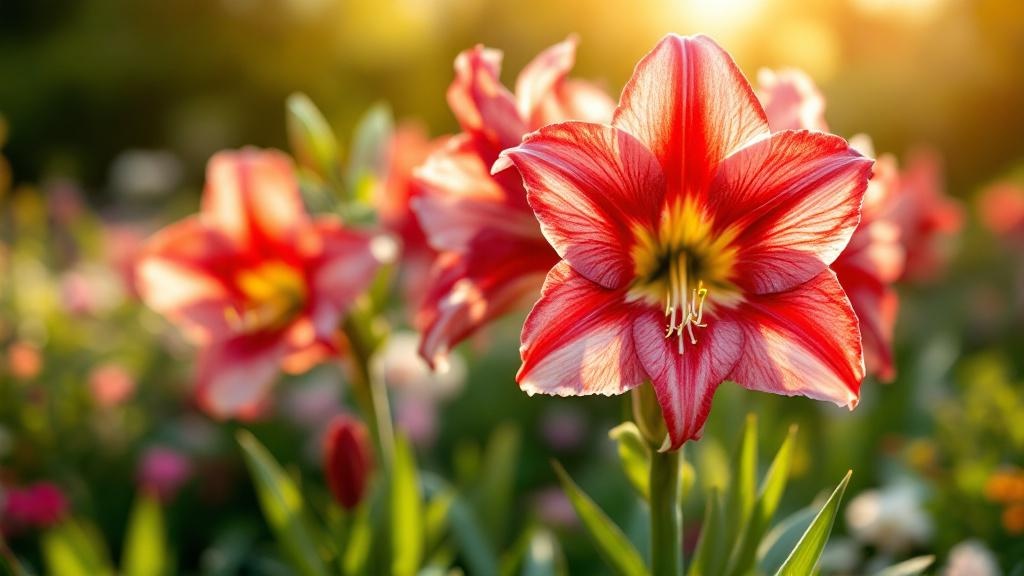
Amaryllis is the showstopper of winter windowsills, producing dramatic trumpet blooms up to 20cm across when outdoor gardens lie dormant. The most common question new growers ask is how to get their Amaryllis to rebloom next year. With proper dormancy timing and care through the growing season, these South African bulbs can flower reliably for decades in temperate homes.
Watering Your Amaryllis Through Its Growth Cycle
Water sparingly when first planting the bulb in October or November, keeping soil barely moist until growth appears. Once the flower stalk emerges, increase watering to keep soil consistently moist but never waterlogged. After flowering through winter and spring, maintain regular watering during the leafy growth period. Stop watering completely in late August to initiate dormancy.
Light Requirements for Strong Stems and Vibrant Blooms
Place your Amaryllis in the brightest spot available, ideally a south or west-facing window. During flowering, you can move it to a shadier display spot to prolong blooms. After flowering from March onwards, the plant needs maximum light to rebuild bulb energy. In summer, you can move the pot outdoors to a sunny, sheltered spot until September.
Soil and Repotting for Healthy Bulb Development
Use a quality peat-free potting mix combined with perlite or grit for drainage. Plant the bulb with one-third sitting above the soil surface in a pot only 3-5cm wider than the bulb. Amaryllis blooms best when slightly rootbound, so repot only every 3-4 years in September before the new growing cycle begins.
Temperature and Humidity for Seasonal Success
During active growth and flowering from October to July, normal room temperatures of 18-24°C work well. The critical period is the 8-10 week dormancy from late August through October when the bulb needs cool conditions around 10-13°C. A cool garage, cellar, or unheated spare room works perfectly. Average household humidity is adequate.
Fertilizing to Fuel Next Year's Flowers
Begin feeding every two weeks with a balanced liquid fertilizer once flowers fade in late winter. Continue through the entire leafy growth period until you stop watering in late August. This six-month feeding window is essential because the bulb is storing energy for next winter's blooms. Skip fertilizer during dormancy and the initial flowering period.
Common Amaryllis Problems and Solutions
Red blotch (Stagonospora) appears as red streaks on leaves and flower stalks, common in damp conditions. Remove affected parts and improve air circulation. Bulb rot from overwatering causes soft, mushy tissue and foul smell. Discard severely affected bulbs and reduce watering for others. Narcissus bulb fly can attack outdoor bulbs in summer. Cover pots with fine mesh if flies are present in your garden.
Frequently asked questions
How do I get my Amaryllis to rebloom next year?
Force a dormancy period by stopping water in late August and storing the bulb in a cool dark place at 10-13°C for 8-10 weeks. In late October, repot if needed, resume watering, and place in bright warmth. Flower stalks typically emerge 6-8 weeks later.
Why are my Amaryllis leaves turning yellow?
Yellow leaves in late summer are completely normal and signal the plant entering natural dormancy. However, yellow leaves during the growing season indicate overwatering, underwatering, or insufficient light. Check that the pot drains freely and the plant receives bright indirect light.
When does Amaryllis bloom indoors?
Amaryllis typically blooms 6-8 weeks after planting or bringing out of dormancy, usually between December and February for bulbs started in October or November. By staggering planting times, you can have blooms from Christmas through Easter.
Is Amaryllis toxic to cats?
Yes, Amaryllis is highly toxic to cats and dogs. The bulbs contain the highest concentration of lycorine and other alkaloids. Ingestion causes drooling, vomiting, diarrhea, and abdominal pain. Keep plants well out of reach of pets.
Why is my Amaryllis only growing leaves and no flowers?
A bulb producing only leaves usually did not store enough energy the previous season. This happens when leaves are cut back too early, the plant received insufficient light or fertilizer, or the bulb skipped dormancy. Provide excellent care this season and proper dormancy for blooms next year.