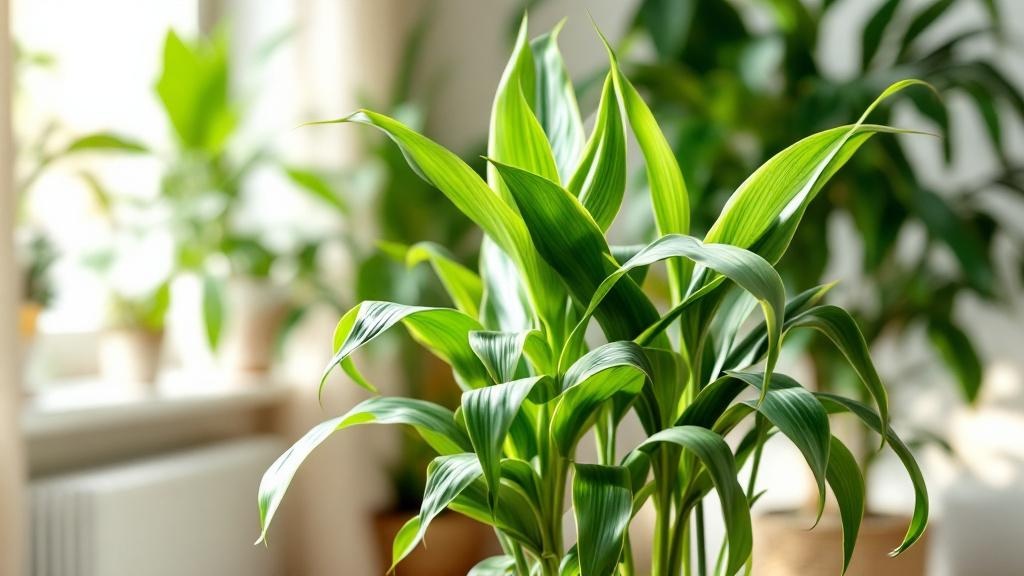
Heartleaf Philodendron
Heartleaf philodendron is one of the most forgiving houseplants you can own, making it ideal for busy gardeners and beginners. Its trailing stems and heart-shaped leaves add natural elegance to shelves and hanging planters. The most common question is whether it needs bright light—the answer is no, it thrives in moderate indirect light, though it grows faster with more luminosity.
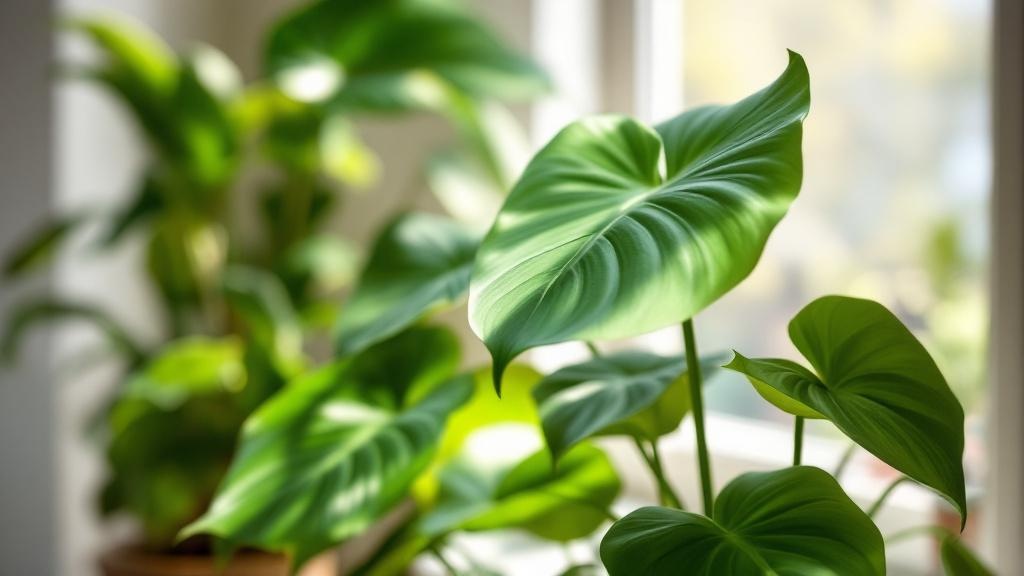
Watering Your Heartleaf Philodendron
Water every 7-10 days during the growing season (spring and summer), allowing the top inch of soil to dry between waterings. In autumn and winter, reduce watering to every 10-14 days as growth slows. Overwatering is the most common killer of this plant—soggy soil leads to root rot. Use room-temperature water and check soil moisture with your finger before watering.
Light Requirements
Heartleaf philodendron is famously tolerant of low light and will survive in offices with only fluorescent lighting. However, it grows faster and develops fuller, larger leaves in bright indirect light away from direct sun. Position it near an east or north-facing window for best results in temperate climates. Avoid harsh afternoon sun, which can scorch the leaves.
Soil and Repotting
Use a well-draining potting mix amended with perlite or orchid bark to prevent waterlogging. Repot every 12-18 months in spring as the plant outgrows its container. Choose a pot with drainage holes slightly larger than the current one. Fresh soil refreshes depleted nutrients and improves drainage, especially after winter dormancy.
Temperature and Humidity
Heartleaf philodendron prefers warm temperatures between 65-80°F and will suffer if exposed to cold below 50°F—keep it away from drafty windows in winter. Average household humidity is sufficient, but it appreciates occasional misting or placement near a humidifier, especially in dry heated homes during Central European winters. Wipe leaves with a soft damp cloth monthly to remove dust and improve photosynthesis.
Fertilizing
Feed with a diluted balanced houseplant fertilizer (10-10-10) every 4 weeks during spring and summer. Reduce to every 6-8 weeks in autumn, and stop in winter when growth naturally slows. Over-fertilizing causes salt buildup and brown leaf tips, so less is more. Organic fish emulsion or seaweed-based fertilizers are gentle alternatives.
Common Problems and Solutions
Yellow leaves usually indicate overwatering or poor drainage—let soil dry more between waterings and repot if necessary. Brown leaf tips suggest low humidity or salt accumulation; increase misting and flush soil with distilled water. Mealybugs and spider mites are occasional pests in heated homes; spray affected areas with insecticidal soap or neem oil weekly until resolved. In temperate regions, inspect new plants for thrips before bringing indoors.
Frequently asked questions
How often should I water my heartleaf philodendron?
Water every 7-10 days in spring and summer when the top inch of soil is dry, and every 10-14 days in autumn and winter. Always check soil moisture with your finger before watering—this plant prefers to dry out slightly between waterings and is more prone to rot from overwatering than underwatering.
Can heartleaf philodendron grow in low light?
Yes, heartleaf philodendron is one of the best low-light houseplants and will survive in offices with only artificial light. However, it grows much faster and develops larger leaves in moderate to bright indirect light near a window.
Why are my heartleaf philodendron leaves yellow?
Yellow leaves are almost always caused by overwatering or poorly draining soil. Allow the soil to dry more between waterings, ensure your pot has drainage holes, and repot into fresh potting mix if the problem persists. Check for root rot by gently removing the plant and inspecting the roots—they should be light colored and firm, not dark and mushy.
Is heartleaf philodendron toxic to cats and dogs?
Yes, heartleaf philodendron is mildly toxic to cats, dogs, and other pets if chewed or ingested. It contains calcium oxalate crystals that cause oral irritation, drooling, and mouth pain. Keep it on a high shelf or hanging planter away from curious pets.
When should I repot my heartleaf philodendron?
Repot in spring every 12-18 months when the plant becomes root-bound or growth slows. Choose a pot only 1-2 inches larger in diameter with drainage holes, and use fresh, well-draining potting mix to refresh nutrients and prevent root rot.