Madagascar Palm
The Madagascar Palm catches eyes with its silvery trunk studded with spines and a crown of glossy green leaves. Despite its name, it is actually a succulent, not a true palm. The most common question gardeners ask is how to keep it alive through cold temperate winters, since this African native needs careful dormancy management. With the right approach to seasonal watering and bright light, this architectural plant can thrive for decades in your home.
Watering Your Madagascar Palm Correctly
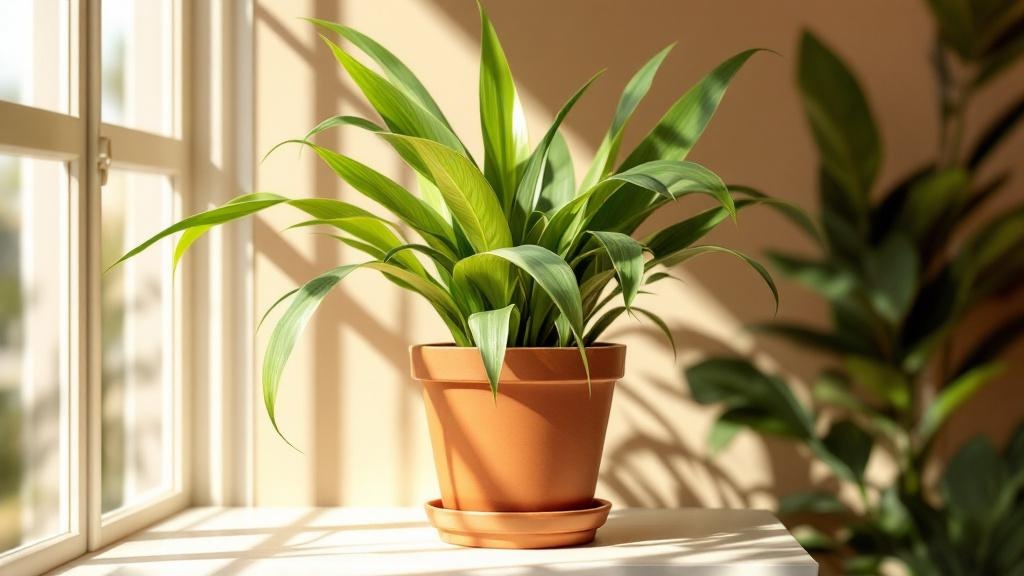
During the active growing season from May through September, water thoroughly every 10-14 days, allowing the soil to dry completely between waterings. From October onwards, reduce watering dramatically to once every 4-6 weeks as the plant enters dormancy. Overwatering in winter is the leading cause of root rot and death in temperate climates. Always err on the side of underwatering — the swollen trunk stores water reserves.
Light Requirements for Healthy Growth
Madagascar Palm demands the brightest spot you can provide, ideally a south-facing window with at least 6 hours of direct sunlight daily. In temperate regions, the lower winter light is tolerable during dormancy, but inadequate summer light causes weak, etiolated growth. Move the plant outdoors to a sunny patio from late May through early September if possible, acclimatizing gradually to prevent sunburn.
Soil and Repotting Guidelines
Use a fast-draining mix of cactus soil amended with extra perlite or pumice in a 2:1 ratio. Repot only every 3-4 years in spring (April-May) as the plant prefers being slightly rootbound. Choose a heavy terracotta pot to prevent toppling — mature plants become top-heavy. Handle with thick gloves due to the sharp spines.
Temperature and Humidity Needs
Keep your Madagascar Palm at 18-30°C during the growing season. The critical factor in temperate climates is winter care: maintain a minimum of 10°C but ideally 12-15°C during dormancy from November through March. Normal household humidity is adequate. Avoid cold drafts near windows and never let it experience frost, which is fatal.
Fertilizing for Strong Growth
Feed monthly from April through August with a balanced liquid fertilizer diluted to half strength, or use a cactus-specific formula. Stop fertilizing entirely from September onwards as the plant prepares for dormancy. Over-fertilizing causes weak, leggy growth and can burn the roots.
Common Problems and Solutions
Leaf drop in autumn is normal dormancy behavior, not a sign of distress. Root rot from overwatering appears as a soft, mushy trunk base — if caught early, unpot, trim affected roots, and let dry before repotting in fresh dry soil. Watch for mealybugs hiding in leaf axils and spider mites in dry indoor air; treat with rubbing alcohol on a cotton swab or insecticidal soap. Scale insects occasionally appear on the trunk and can be scraped off gently.
Frequently asked questions
Why is my Madagascar Palm dropping leaves?
Leaf drop in autumn and winter is completely normal dormancy behavior for this plant. Your Madagascar Palm naturally sheds leaves as days shorten and temperatures drop, typically from October onwards in temperate regions. New leaves will emerge in spring once you resume regular watering. However, leaf drop in summer combined with a soft trunk indicates overwatering and possible root rot.
How often should I water Madagascar Palm in winter?
Water your Madagascar Palm only once every 4-6 weeks during winter dormancy. The plant is essentially resting from November through March and needs minimal moisture. Keeping the soil mostly dry prevents the root rot that kills most Madagascar Palms in temperate indoor conditions. Resume regular watering in April when new growth appears.
Is Madagascar Palm toxic to cats?
Yes, Madagascar Palm is toxic to cats, dogs, and humans. All parts of the plant contain a milky latex sap that causes vomiting, diarrhea, and skin irritation if ingested or contacted. Place this plant well out of reach of pets and children, and wear gloves when handling or pruning to avoid contact with the sap.
When does Madagascar Palm bloom?
Madagascar Palm rarely blooms indoors in temperate climates, but mature plants (10+ years old) may produce fragrant white flowers in summer. Outdoor summering, excellent light, and consistent care increase flowering chances. The flowers appear at the crown among the leaves and are pollinator-attracting in their native habitat.
Can Madagascar Palm survive outside in the UK?
No, Madagascar Palm cannot survive outdoors year-round in the UK or similar temperate climates. It requires minimum temperatures of 10°C and will die from frost exposure. However, you can move it outside to a sunny sheltered spot from late May through early September, bringing it indoors before night temperatures drop below 12°C.