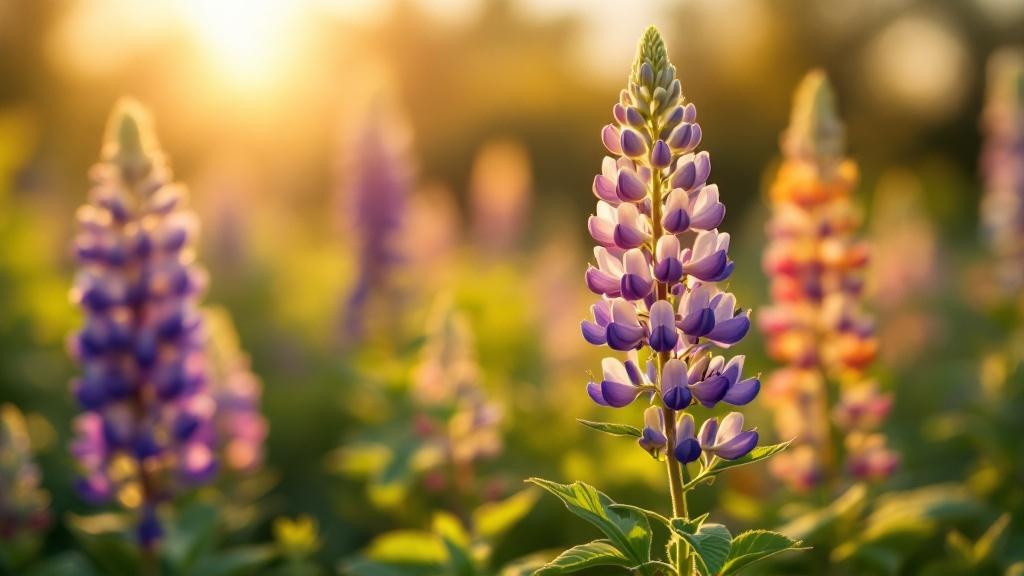
Vanilla Orchid
The Vanilla Orchid is the only orchid that produces an edible fruit — the vanilla bean we all know from baking. Home gardeners are increasingly curious about growing this tropical vine indoors, and the most common question is whether it can actually thrive in a temperate home. The answer is yes, but it requires dedication. This climbing orchid needs consistent warmth, high humidity, and patience, as it takes 3-5 years to mature enough to potentially flower.
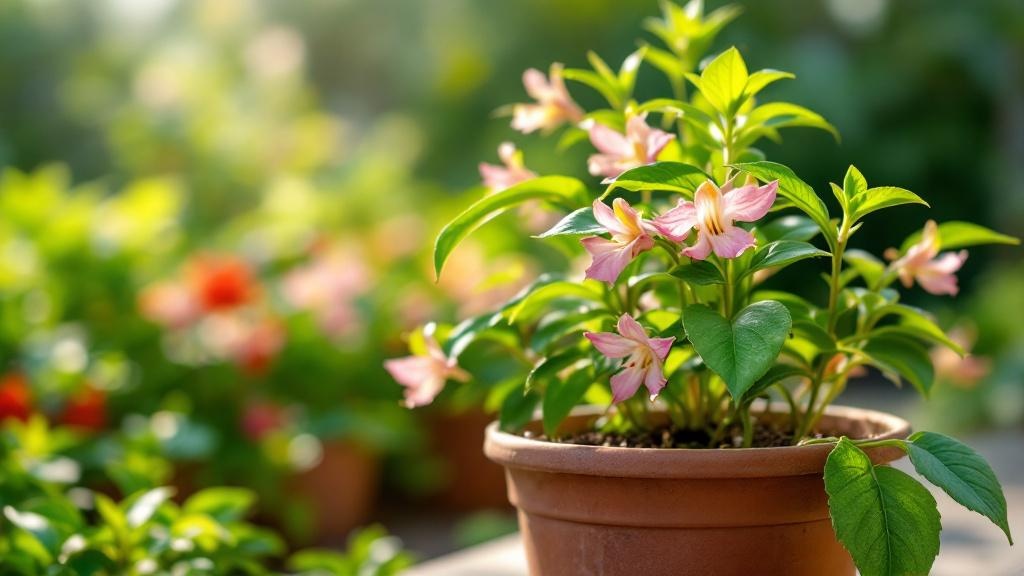
Watering Your Vanilla Orchid Correctly
Water your Vanilla Orchid every 5-7 days during the growing season from April through September, allowing the top layer of bark to dry slightly between waterings. In winter, reduce to every 10-14 days as growth slows. Always use room-temperature water and ensure excess drains freely — vanilla roots rot quickly in standing water. Misting the aerial roots every 2-3 days helps replicate its tropical habitat.
Light Requirements for Healthy Growth
Provide bright, filtered light similar to what the vine would receive growing up a tree in its native Mexico. An east-facing window works well, or a south-facing window with a sheer curtain to prevent leaf scorch. In the UK and Northern Europe, supplemental grow lights from October through March help compensate for short winter days. Aim for 12-14 hours of light daily for optimal growth.
Soil and Repotting Your Vanilla Vine
Plant in a chunky, fast-draining orchid mix combining bark chips, perlite, and sphagnum moss in roughly equal parts. Repot every 2-3 years in spring when roots outgrow the container, moving up just one pot size. Provide a moss pole or wooden trellis for the vine to climb — vanilla develops aerial roots that cling to supports and absorb moisture and nutrients from the air.
Temperature and Humidity Needs
Maintain temperatures between 18-30°C year-round, with night temperatures never dropping below 15°C. This is non-negotiable — cold damage appears quickly as blackened leaves and stems. Humidity should stay above 60%, ideally 80%. In centrally heated homes during winter, use a humidifier or place the pot on a pebble tray with water. Grouping with other tropical plants also helps raise local humidity.
Fertilizing for Strong Vine Growth
Feed with a balanced orchid fertilizer diluted to half strength every 2 weeks from April through September. Switch to monthly feeding from October through March when growth naturally slows. Avoid fertilizing dry roots — always water lightly first, then apply fertilizer solution. Over-fertilizing causes salt buildup and root burn, so flush the growing medium with plain water every 4-6 weeks.
Common Problems and How to Fix Them
Root rot from overwatering is the most frequent killer — if leaves yellow and stems turn mushy, unpot immediately, trim rotted roots, and replant in fresh dry bark. Spider mites thrive in dry heated rooms during winter; increase humidity and wipe leaves with a damp cloth weekly to prevent infestations. Scale insects occasionally appear as brown bumps on stems; remove manually with a cotton swab dipped in rubbing alcohol and improve air circulation.
Frequently asked questions
How often should I water a Vanilla Orchid?
Water every 5-7 days during the growing season, allowing the bark mix to dry slightly on top between waterings. Reduce to every 10-14 days in winter when the plant is semi-dormant. Always check moisture levels rather than watering on a strict schedule.
Why are my Vanilla Orchid leaves turning yellow?
Yellow leaves typically indicate overwatering and root rot, the most common cause of vanilla decline. Check the roots immediately — healthy roots are white or green, while rotted roots are brown and mushy. Repot in fresh bark mix and reduce watering frequency.
Can Vanilla Orchid survive in the UK climate?
Vanilla Orchid can thrive indoors in the UK with proper care, but cannot survive outdoors. Keep it in a warm room that stays above 15°C year-round, provide supplemental lighting in winter, and maintain humidity above 60% using a humidifier during the heating season.
When does Vanilla Orchid bloom?
Vanilla Orchid typically blooms after 3-5 years of growth when the vine reaches at least 3 meters long. Flowers appear in spring and each bloom lasts only one day, requiring hand-pollination in the morning to produce vanilla beans since native pollinators do not exist outside Mexico.
Is Vanilla Orchid toxic to cats?
Vanilla Orchid is non-toxic to cats, dogs, and humans, making it a safe choice for pet-owning households. The leaves, stems, and even unprocessed beans are not poisonous, though eating large amounts of any plant material may cause mild stomach upset in pets.