Watermelon Peperomia
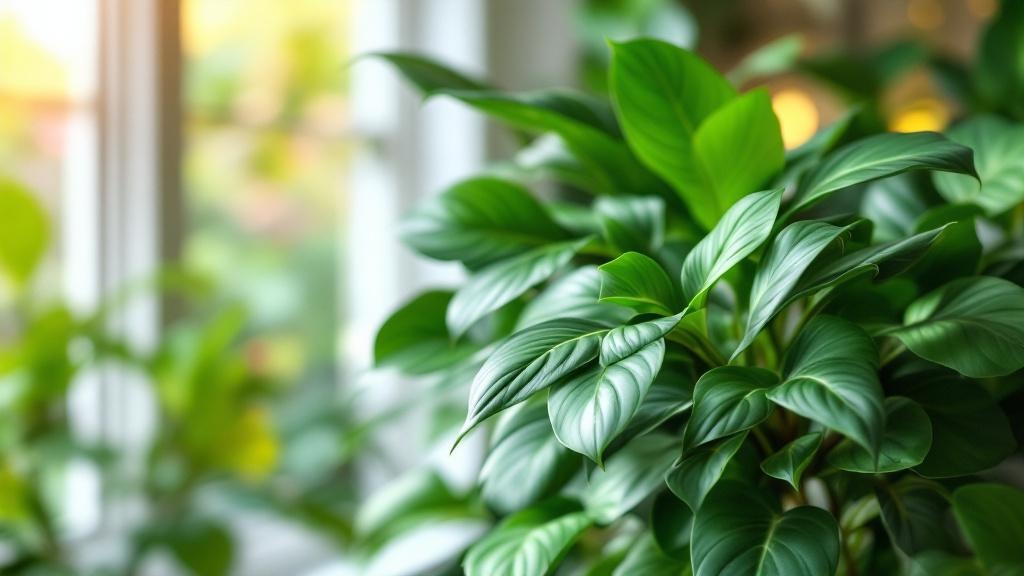
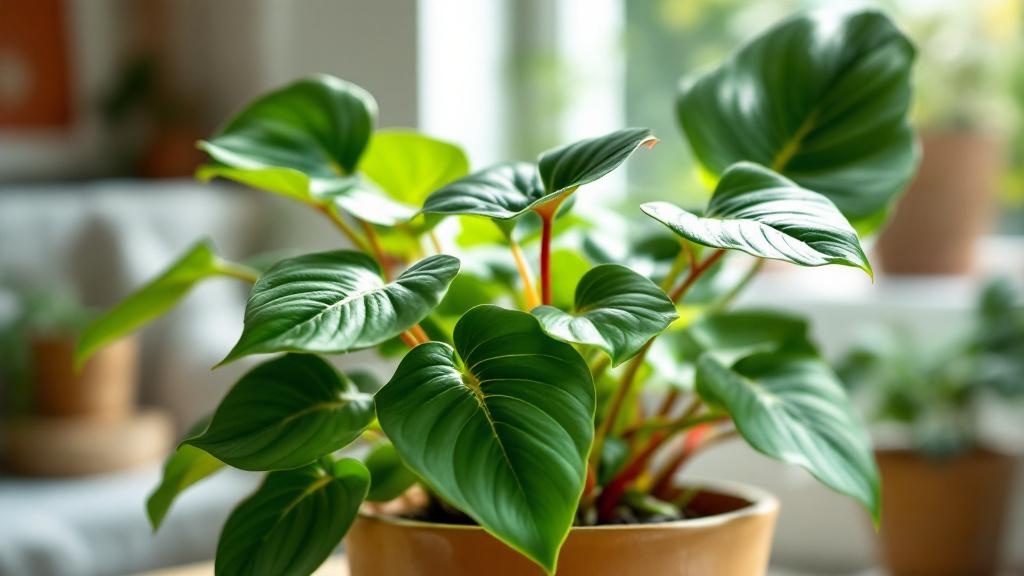
Watermelon Peperomia (Peperomia argyreia) is prized for its striking silvery-green leaves with darker veins that resemble watermelon skin. This compact, low-maintenance houseplant thrives on windowsills and desks across temperate climates. The most common question new growers ask: how often should I water it without causing root rot?
Watering Your Watermelon Peperomia
Water every 7-10 days during the growing season (spring and summer), allowing the top inch of soil to dry between waterings. In autumn and winter, reduce frequency to weekly or when soil feels dry. Watermelon Peperomia is prone to root rot, so err on the side of underwatering rather than overwatering. Use room-temperature water and ensure your pot has drainage holes.
Light Requirements for Best Growth
Place your Watermelon Peperomia in bright, indirect light—near an east or west-facing window is ideal in temperate climates. Avoid direct afternoon sun, which can scorch the delicate foliage and fade the silvery markings. If grown under artificial grow lights, provide 12-14 hours daily. Plants in low light may become leggy; rotate every 2-3 weeks for even growth.
Soil and Repotting Basics
Use a lightweight, well-draining potting mix mixed with 20-30% perlite or orchid bark to prevent waterlogging. Repot every 18-24 months in spring, moving to a pot only 1 inch larger than the current one. Watermelon Peperomia prefers to be slightly root-bound. Always use a pot with drainage holes and refresh the top layer of soil annually.
Temperature and Humidity Management
Maintain temperatures between 65-75°F (18-24°C) year-round; avoid cold drafts below 55°F, which cause leaf drop. Watermelon Peperomia tolerates average household humidity (40-50%) but appreciates misting weekly or placement on a pebble tray with water. In central European winters, move plants away from radiators and cold windowpanes. Sudden temperature swings stress the plant.
Fertilizing Schedule
Feed every 4-6 weeks during spring and summer with a balanced, diluted liquid fertilizer (half-strength NPK 10-10-10). Stop feeding in autumn and winter when growth slows. Over-fertilizing causes salt buildup and leaf browning, so less is more with this plant. Replenishing potting soil annually reduces the need for frequent feeding.
Common Problems and Solutions
Yellow or translucent leaves indicate overwatering—let soil dry out and repot in fresh mix if roots smell sour. Brown, crispy leaf edges suggest low humidity or underwatering; increase misting and check watering consistency. Spider mites and mealybugs occasionally attack in indoor heated homes (especially from September to March); treat with neem oil spray or insecticidal soap every 10 days until resolved.
Frequently asked questions
How often should I water Watermelon Peperomia?
Water every 7-10 days in spring and summer when the top inch of soil is dry, reducing to weekly or less in winter. Overwatering is the main reason these plants fail, so check soil moisture before watering.
Why are my Watermelon Peperomia leaves turning yellow?
Yellow leaves usually mean overwatering and root rot. Stop watering, allow soil to dry, and repot into fresh, well-draining mix if roots are soft and brown. Ensure your pot has drainage holes.
Can I grow Watermelon Peperomia in low light?
Watermelon Peperomia needs bright, indirect light to maintain its striking leaf pattern. In low light, it becomes pale and leggy; place it near a window or under grow lights for 12-14 hours daily.
Is Watermelon Peperomia safe for cats and dogs?
Yes, Watermelon Peperomia is completely non-toxic to cats, dogs, and other pets. It's a safe choice for homes with curious animals.
How do I propagate Watermelon Peperomia?
Propagate from leaf cuttings or stem cuttings in spring. Place cuttings in moist perlite or sphagnum moss at 70°F (21°C) with bright indirect light; roots develop in 3-4 weeks.