Marsh Marigold
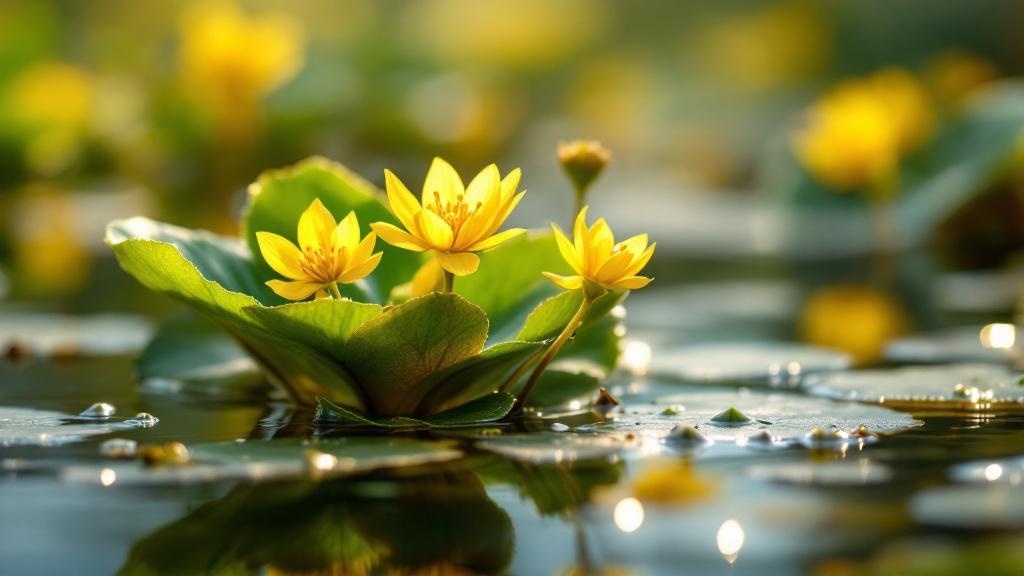
Marsh Marigold is one of the first wildflowers to bloom in temperate wetlands, lighting up pond margins and stream banks with glossy yellow flowers from late March through May. Home gardeners most often ask how to keep this moisture-loving plant happy without an actual pond. The good news is that Caltha palustris adapts well to consistently wet garden spots, rain gardens, and container water features, making it accessible even for those without natural wetland areas.
Watering Your Marsh Marigold
Marsh Marigold requires consistently wet to waterlogged soil and should never dry out completely. In pond-edge plantings, natural moisture is usually sufficient. For garden beds, water deeply every 2 to 3 days during spring growth and daily during summer dry spells. Container specimens can sit in 2 to 5 centimeters of standing water throughout the growing season.
Light Requirements for Caltha palustris
This adaptable plant performs best in partial shade with 3 to 5 hours of direct morning sunlight. In cooler northern regions or beside water that keeps roots cool, it tolerates full sun. Too much afternoon sun in summer causes leaf scorch and early dormancy. Dappled shade under deciduous trees mimics its natural woodland stream habitat perfectly.
Soil and Repotting Needs
Plant Marsh Marigold in heavy, humus-rich soil that retains moisture well. Clay-based loam amended with compost is ideal. For pond planting, use aquatic baskets filled with heavy loam topped with gravel to prevent soil floating away. Repot container specimens every 2 to 3 years in early autumn, dividing congested clumps at the same time.
Temperature and Humidity Preferences
Marsh Marigold is extremely cold-hardy, surviving winters down to minus 30 degrees Celsius without protection. It naturally dies back after flowering, going semi-dormant in summer heat above 25 degrees Celsius. High humidity near water sources keeps foliage lush longer into summer. No special overwintering is needed in temperate zones; simply leave the crown in place.
Fertilizing Marsh Marigold
This plant has modest nutrient needs in naturally rich, wet soils. Apply a slow-release aquatic plant fertilizer or a handful of well-rotted compost in early March as growth begins. Avoid high-nitrogen fertilizers which promote leafy growth at the expense of flowers. One spring feeding is typically sufficient for the entire growing season.
Common Problems and Solutions
Powdery mildew can appear on leaves during dry summers with poor air circulation; improve watering and remove affected foliage. Slugs and snails are attracted to the lush spring growth, especially in UK and Central European gardens. Use wildlife-safe slug pellets or copper tape barriers in March and April. Rust fungus occasionally appears as orange spots; remove infected leaves promptly and avoid overhead watering.
Frequently asked questions
How often should I water Marsh Marigold?
Keep the soil constantly moist or waterlogged at all times. Unlike most perennials, Marsh Marigold cannot tolerate dry conditions and thrives with its roots in standing water up to 5 centimeters deep. In regular garden soil without natural water, water every 2 to 3 days minimum.
Why are my Marsh Marigold leaves turning yellow?
Yellow leaves in summer are usually normal dormancy, not a problem. Marsh Marigold naturally dies back after flowering as temperatures rise above 25 degrees Celsius. However, yellowing in spring combined with wilting indicates the soil has dried out and needs immediate deep watering.
When does Marsh Marigold bloom?
Marsh Marigold blooms in early spring, typically from late March through May in temperate climates. It is one of the earliest native wetland flowers to appear, often blooming while snow is still melting. Each plant produces cheerful golden-yellow buttercup-like flowers for 4 to 6 weeks.
Is Marsh Marigold toxic to cats?
Yes, Marsh Marigold is toxic to cats and dogs. All parts contain protoanemonin, which causes mouth irritation, drooling, vomiting, and digestive upset if ingested. Plant it in areas pets cannot access, such as fenced pond margins, or choose pet-safe alternatives for accessible garden beds.
Can I grow Marsh Marigold in a container?
Yes, Marsh Marigold grows well in containers placed in a saucer of water. Use a pot at least 20 centimeters wide with drainage holes, fill with heavy loam-based compost, and keep the saucer filled with 2 to 5 centimeters of water. Place in partial shade and refresh the water regularly to prevent stagnation.