Tree Philodendron
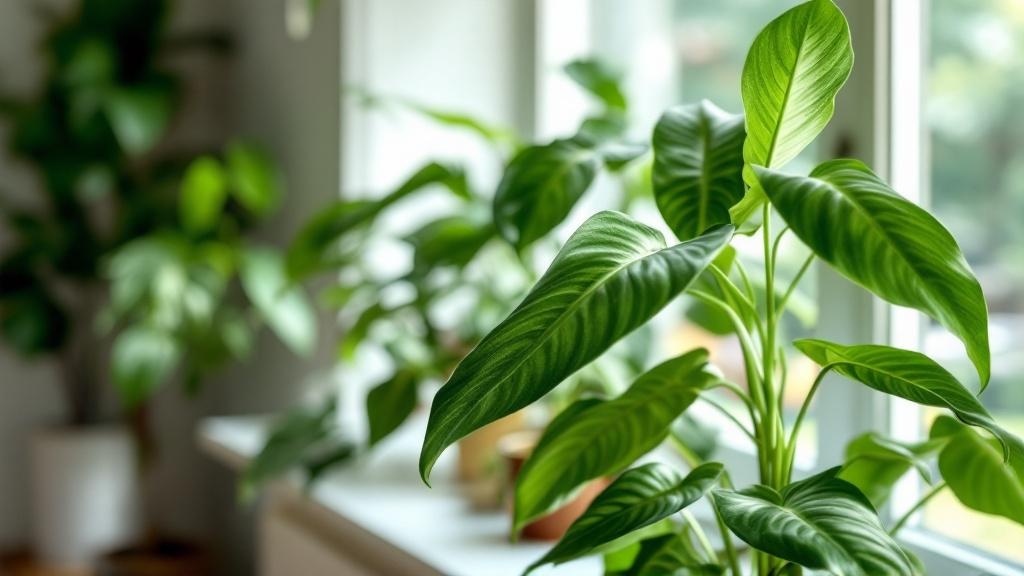
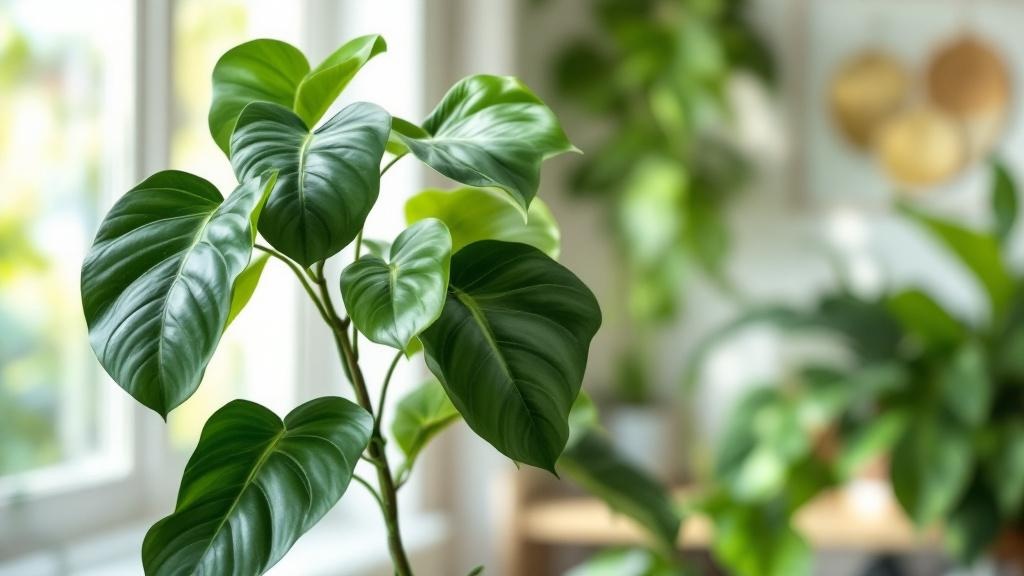
The Tree Philodendron, also called Philodendron bipinnatifidum, is prized for its deeply lobed, glossy leaves and tree-like growth habit. It makes a bold statement in living rooms and brighten spaces across Central Europe and the UK, yet many gardeners struggle with yellowing leaves and leggy growth. Understanding its need for bright, indirect light and proper watering schedules is key to keeping it healthy and compact.
Watering Schedule for Tree Philodendron
Water thoroughly every 7-10 days during spring and summer when the top 2-3 cm of soil feels dry. Reduce frequency to every 2-3 weeks in autumn and winter when growth slows. Use room-temperature water and ensure pots have drainage holes to prevent root rot, a common issue in temperate climates during damp winters. Yellow leaves often signal overwatering, so check soil moisture before adding water.
Light Requirements and Placement
Place your Tree Philodendron in bright, indirect light—ideally 2-3 meters from a north or east-facing window in the UK and Central Europe. Direct afternoon sun can scorch leaves, but insufficient light causes slow growth and pale new leaves. During winter months when daylight is limited, move the plant closer to the window or use a grow light if it stops producing new growth. This plant adapts to moderate indoor light but won't reach its full architectural potential in dim corners.
Soil and Repotting Needs
Use a rich, well-draining potting mix containing peat moss, perlite, and orchid bark in a 2:1:1 ratio. Repot every 2-3 years in spring, moving up only one pot size to avoid excess moisture retention. Tree Philodendrons prefer slightly moist soil, so adding perlite prevents waterlogging in temperate homes where humidity is often lower. Fresh soil also supplies nutrients and allows the plant to develop a strong root system for healthy leaf production.
Temperature and Humidity Control
Maintain temperatures between 18-25°C for optimal growth; avoid cold drafts below 15°C, which the plant struggles with in unheated rooms or near winter windows. Humidity around 50-60% is ideal—in dry central-heated homes typical of temperate climates, mist the foliage 2-3 times weekly or place on a pebble tray with water. Grouping plants together also boosts humidity and creates a more tropical microclimate around the foliage.
Fertilizing Your Tree Philodendron
Feed with balanced liquid houseplant fertilizer diluted to half strength every 2-3 weeks from March to September during the active growing season. Skip fertilizing in autumn and winter when growth naturally slows. Over-fertilizing causes salt buildup in the soil, which leads to brown leaf tips and stunted growth. A slow-release pellet applied in spring is also effective for gardeners who prefer less frequent feeding.
Common Problems and Solutions
Yellow leaves and soggy stems indicate overwatering or poor drainage—repot into fresh, drier soil and reduce watering frequency. Spider mites and mealybugs are common indoor pests in temperate homes; spray affected foliage with neem oil or insecticidal soap every 7-10 days until cleared. Brown leaf tips suggest low humidity or water quality issues; filter tap water or collect rainwater, and increase misting around the plant.
Frequently asked questions
How often should I water my Tree Philodendron?
Water every 7-10 days during spring and summer when the top 2-3 cm of soil is dry, and reduce to every 2-3 weeks in autumn and winter. Always check soil moisture before watering to avoid root rot, which is common in cooler, damper temperate winters.
Why are my Tree Philodendron leaves turning yellow?
Yellow leaves almost always mean overwatering or waterlogged soil, especially in winter when evaporation is slower in temperate homes. Check drainage holes, allow soil to dry between waterings, and repot into fresh mix if the soil smells sour.
Can I keep a Tree Philodendron in low light?
The plant survives in low light but grows slowly and produces smaller, paler leaves. Bright indirect light 2-3 meters from a window encourages full, glossy foliage and a compact, attractive shape; consider a grow light in winter if natural light is very limited.
Is Tree Philodendron toxic to cats and dogs?
Yes, it's mildly toxic to cats and dogs because it contains calcium oxalate crystals that cause mouth irritation and stomach upset if ingested. Place the plant out of reach of pets and wash hands after handling.
How do I make my Tree Philodendron grow bushier and less leggy?
Increase light exposure by moving the plant closer to a window or adding a grow light, and pinch off new leaf stems to encourage branching. Leggy growth usually signals insufficient light rather than a watering or nutrient issue.