Sweet Pea
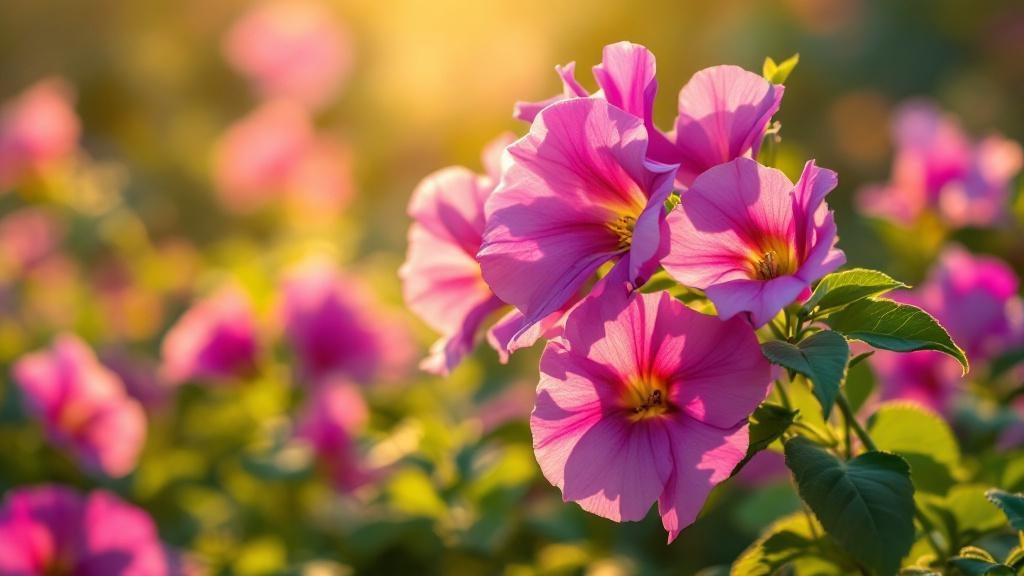
Sweet peas are the quintessential cottage garden flower, beloved for their intoxicating fragrance and romantic, ruffled blooms in every shade from white to deep burgundy. The most common question gardeners ask is how to keep sweet peas blooming all summer long. The secret lies in consistent picking, proper feeding, and protecting roots from summer heat. With the right care, these vigorous climbers will reward you with armfuls of cut flowers from June through September.
Watering Sweet Peas for Maximum Blooms
Sweet peas are thirsty plants that need consistent moisture, especially once flowering begins. Water deeply every 2-3 days during dry spells, aiming for the soil rather than foliage. Mulch around the base with 5-8cm of well-rotted compost in late May to keep roots cool and retain moisture. Inconsistent watering causes bud drop and shortens the flowering season dramatically.
Light Requirements for Healthy Growth
Plant sweet peas in a position receiving at least 6 hours of direct sunlight daily. In temperate climates, a south or west-facing spot against a wall or fence is ideal. While they tolerate light afternoon shade, too little sun results in weak stems and fewer flowers. Avoid planting where buildings or trees cast morning shadow, as good air circulation helps prevent mildew.
Soil Preparation and Planting
Sweet peas thrive in rich, fertile soil with excellent drainage. Prepare your planting trench in autumn or early March by digging 30cm deep and incorporating generous amounts of garden compost or well-rotted manure. They prefer a slightly alkaline pH of 7.0-7.5, so add garden lime if your soil is acidic. Sow seeds directly outdoors in October for strongest plants, or start indoors in February using root trainers to accommodate their long taproots.
Temperature and Growing Conditions
Sweet peas are cool-season plants that perform best when temperatures stay between 10-20°C. In temperate zones, autumn-sown plants develop stronger root systems over winter and flower earlier. They tolerate light frosts as seedlings but struggle once summer temperatures exceed 25°C consistently. Hot spells trigger the end of flowering, so enjoy them as a spring-to-midsummer feature rather than fighting against their natural cycle.
Feeding for Abundant Flowers
Begin feeding sweet peas fortnightly with a high-potash liquid fertilizer like tomato feed once the first flower buds appear in late May. Avoid high-nitrogen feeds which promote leafy growth at the expense of blooms. A side-dressing of blood, fish, and bone meal in early June provides slow-release nutrients. Stop feeding by mid-August as plants naturally wind down.
Common Problems and Solutions
Powdery mildew appears as white dusty patches on leaves during humid summers; improve air circulation and water at soil level to prevent it. Aphids cluster on shoot tips from May onwards, especially greenfly and blackfly; spray with diluted washing-up liquid or introduce ladybirds. Pea moth larvae tunnel into developing pods if you plan to save seed; hang pheromone traps from late May to reduce damage. Bud drop usually indicates irregular watering or root disturbance.
Frequently asked questions
How often should I water sweet peas?
Water sweet peas every 2-3 days during dry weather, keeping soil consistently moist but never waterlogged. Once flowering begins in June, they need even more water to sustain bloom production. Mulching helps retain moisture and keeps roots cool during warm spells.
Why are my sweet pea leaves turning yellow?
Yellow leaves usually indicate overwatering, poor drainage, or nitrogen deficiency. Check that soil drains freely and reduce watering if the ground feels soggy. If drainage is fine, apply a balanced liquid feed to address potential nutrient shortage.
When do sweet peas bloom in the UK?
Sweet peas typically bloom from early June through August in temperate climates. Autumn-sown plants flower 2-3 weeks earlier than spring-sown ones. Regular picking every 2-3 days encourages continuous flowering throughout summer.
Are sweet peas toxic to cats?
Yes, sweet pea seeds and pods are toxic to cats and dogs. Ingestion can cause neurological symptoms including weakness, tremors, and paralysis. The flowers and foliage are less toxic but should still be kept away from curious pets.
How do I make sweet peas bloom longer?
Pick flowers every 2-3 days to prevent seed pod formation, which signals the plant to stop flowering. Keep plants well-watered and fed with high-potash fertilizer fortnightly. Remove any seed pods immediately if you spot them developing to extend blooming into September.