Feverfew
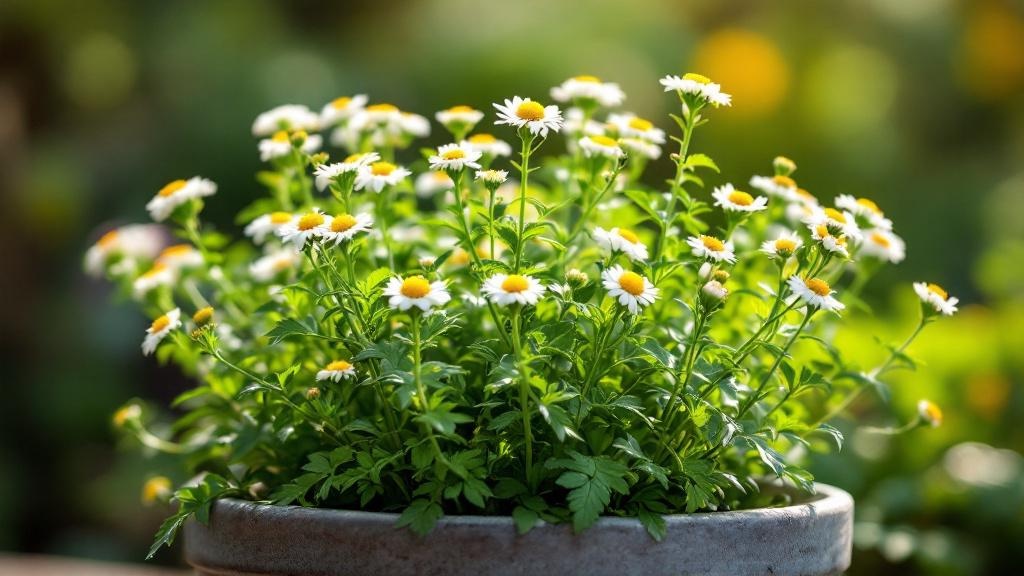
Feverfew has been a garden staple for centuries, prized for its clusters of small white and yellow flowers and its traditional medicinal uses. Home gardeners most often search for help with one key question: why is my feverfew dying or looking leggy? The good news is that this resilient herb actually thrives on a bit of neglect. Native to southeastern Europe, feverfew has naturalized beautifully across temperate regions and rewards even beginner gardeners with abundant blooms from June through September.
Watering Your Feverfew: Less Is More
Water feverfew every 7-10 days during the growing season, allowing the top 3-5 cm of soil to dry between waterings. This herb is drought-tolerant once established and actually suffers more from overwatering than underwatering. In winter, outdoor plants rarely need supplemental water in temperate climates. Container-grown feverfew indoors should be watered sparingly from November through February.
Light Requirements for Healthy Feverfew
Feverfew performs best in full sun, receiving at least 6 hours of direct sunlight daily. In warmer Zone 8 areas or during hot summers, afternoon partial shade helps prevent wilting and extends the flowering period. If growing indoors, place near a south or west-facing window. Insufficient light causes the leggy, floppy growth that frustrates many gardeners.
Soil and Repotting Feverfew
Plant feverfew in average, well-draining garden soil with a pH between 6.0 and 7.0. This adaptable herb tolerates poor soils but struggles in heavy clay that stays waterlogged. Add perlite or coarse sand to improve drainage if needed. Repot container feverfew every spring into a pot just one size larger, refreshing the soil to prevent salt buildup.
Temperature and Humidity for Feverfew
Feverfew is remarkably cold-hardy, surviving winters down to minus 20 degrees Celsius in USDA zones 5-8. The plant dies back after hard frosts in late October or November but returns reliably from the roots in April. Average household humidity is perfectly fine for indoor plants. Avoid placing near radiators or heating vents during winter, as excessive dry heat can stress the foliage.
Feeding Your Feverfew Throughout the Season
Feverfew is a light feeder that rarely needs fertilizing in decent garden soil. Apply a balanced organic fertilizer once in late April as new growth emerges, and optionally again in mid-June. Over-fertilizing produces lush foliage at the expense of flowers and can make plants more susceptible to aphids. Container plants benefit from half-strength liquid feed every 3-4 weeks during the growing season.
Common Feverfew Problems and Solutions
Aphids are the most frequent pest, appearing on tender new growth from May onwards. Blast them off with water or apply insecticidal soap weekly until controlled. Powdery mildew can develop in humid summers or crowded plantings — improve air circulation and remove affected leaves promptly. Root rot from overwatering causes sudden wilting and brown stems at soil level; prevention through proper drainage is the only reliable solution.
Frequently asked questions
How often should I water feverfew?
Water established feverfew every 7-10 days, allowing soil to dry between waterings. This drought-tolerant herb needs less water than most garden plants. Reduce watering to every 2-3 weeks in winter for container plants.
Why are my feverfew leaves turning yellow?
Yellow leaves on feverfew usually indicate overwatering or poor drainage. Check that soil is drying adequately between waterings and that containers have drainage holes. Less commonly, yellowing can signal nitrogen deficiency in very poor soils.
When does feverfew bloom?
Feverfew blooms from June through September in temperate climates, producing small daisy-like flowers continuously for months. Deadheading spent blooms encourages more flowers and prevents excessive self-seeding throughout your garden.
Is feverfew toxic to cats?
Yes, feverfew is toxic to cats and dogs. Ingestion causes vomiting, diarrhea, and mouth irritation. Plant in areas pets cannot access, or choose container placement on high shelves if growing indoors.
Can feverfew survive winter outdoors?
Feverfew survives winters outdoors in USDA zones 5-8, tolerating temperatures down to minus 20 degrees Celsius. The top growth dies back after November frosts, but roots survive and produce new growth in April. A light mulch layer offers extra protection in Zone 5.