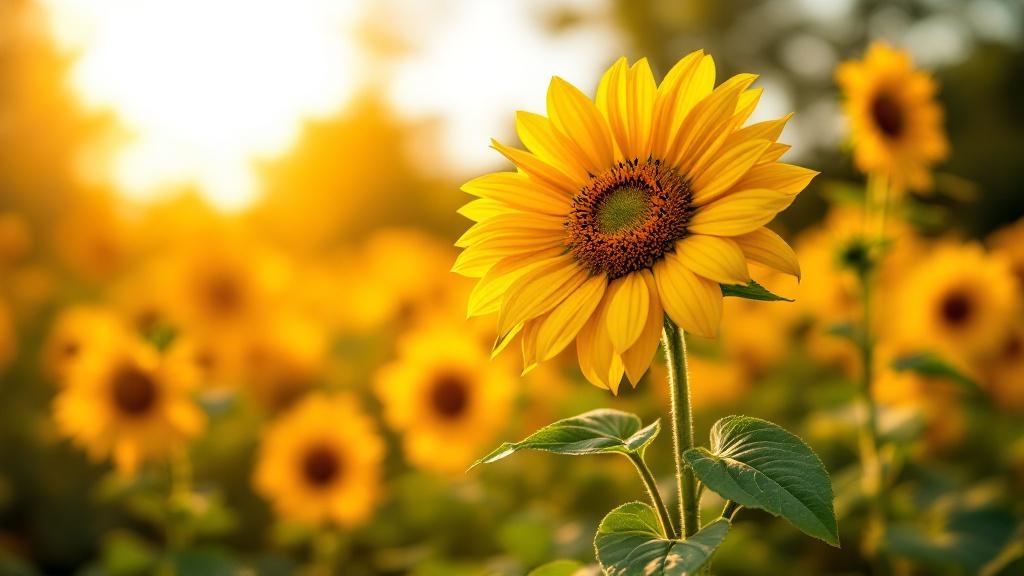
False Sunflower
False Sunflower brings months of golden-yellow blooms to temperate gardens with minimal fuss. Native to North American prairies, Heliopsis has become a cottage garden favorite across Central Europe and the UK for its drought tolerance and pollinator appeal. The most common question gardeners ask is how to keep these tall perennials blooming vigorously without them becoming leggy or flopping over. With the right placement and simple care, False Sunflower rewards you with cut-worthy flowers from July until the first frost.
Watering Your False Sunflower
Water newly planted Heliopsis weekly during their first growing season to establish strong roots. Once established, False Sunflower is remarkably drought-tolerant and typically needs water only during extended dry spells lasting more than 2-3 weeks. In average temperate summers, rainfall alone is usually sufficient. Overwatering causes more problems than underwatering, so always let the top 5cm of soil dry between waterings.
Light Requirements for Heliopsis
False Sunflower performs best in full sun with at least 6 hours of direct light daily. In partial shade, plants become leggy, produce fewer flowers, and are more prone to flopping. South or west-facing borders are ideal in UK and Northern European gardens. Unlike true sunflowers, Heliopsis flowers do not track the sun but face outward in all directions.
Soil and Repotting Needs
Heliopsis thrives in average, well-draining garden soil and actually produces more flowers in lean conditions. Rich, fertile soil encourages excessive foliage growth at the expense of blooms. Add grit or sand to heavy clay soils to improve drainage before planting in March or April. Division every 3-4 years in early spring rejuvenates clumps and prevents the center from dying out.
Temperature and Humidity Tolerance
False Sunflower is fully hardy across USDA zones 4-9, handling winter temperatures down to -30°C without protection. Plants die back completely after the first autumn frosts, typically in late October or November. Cut back dead stems in late February before new growth emerges in March. Heliopsis tolerates both humid and dry summer conditions equally well.
Fertilizing False Sunflower
False Sunflower rarely needs supplemental feeding in average garden soil. A light application of balanced fertilizer in early April can boost growth on very poor soils, but avoid high-nitrogen feeds which promote floppy growth. Too much fertility is the primary cause of plants that need staking. Compost mulch applied in autumn provides sufficient nutrients for most garden situations.
Common Problems and Solutions
Powdery mildew appears as white patches on leaves during humid late summers, especially in crowded plantings with poor air circulation. Improve spacing and remove affected foliage promptly. Aphids occasionally cluster on new growth in May and June but rarely cause serious damage. Slugs and snails may target young spring shoots in March and April, so apply organic slug pellets or use beer traps around emerging plants.
Frequently asked questions
How often should I water False Sunflower?
Water False Sunflower weekly only during establishment or extended drought periods. Mature plants are drought-tolerant and typically thrive on rainfall alone in temperate climates. Overwatering causes root rot and promotes disease.
Why are my False Sunflower leaves turning yellow?
Yellow leaves on Heliopsis usually indicate overwatering or poor drainage. Check soil moisture before watering and ensure the planting site drains well. Lower leaves may also yellow naturally as the plant directs energy to flowering in late summer.
When does False Sunflower bloom?
False Sunflower blooms from mid-July through September or October in temperate climates. Deadheading spent flowers encourages continuous blooming throughout the season. Some varieties like Heliopsis Summer Sun may start flowering as early as late June.
How do I stop False Sunflower from flopping over?
Prevent flopping by growing Heliopsis in full sun and lean soil, and by using the Chelsea Chop method. Cut plants back by one-third in late May to encourage shorter, bushier growth. Avoid nitrogen-rich fertilizers which cause weak, leggy stems.
Is False Sunflower toxic to cats?
No, False Sunflower is not toxic to cats or dogs. Heliopsis is considered a pet-safe perennial and poses no known poisoning risk if animals nibble on leaves or flowers. It is a good choice for gardens where pets roam freely.