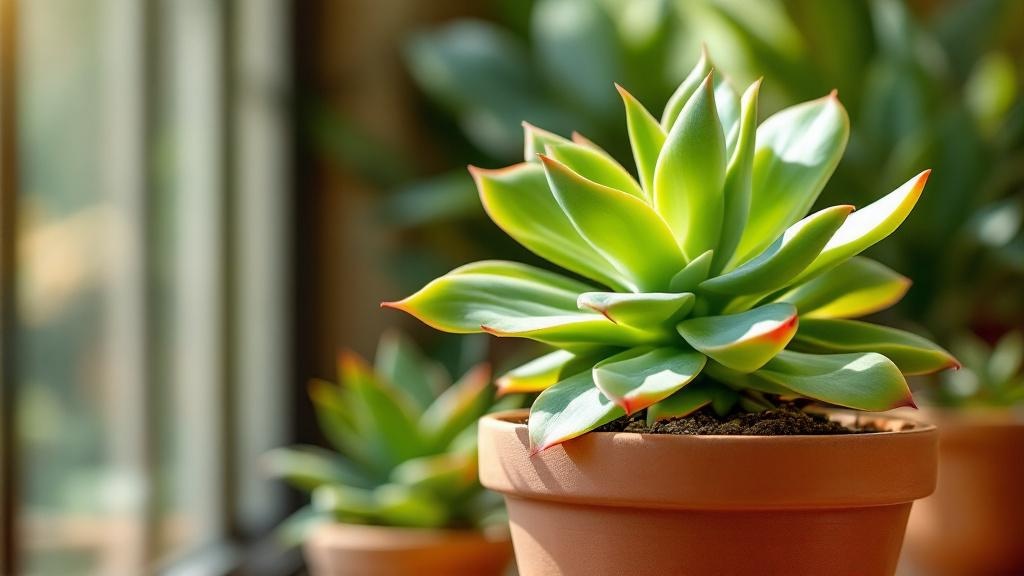
Rabbit Foot Fern
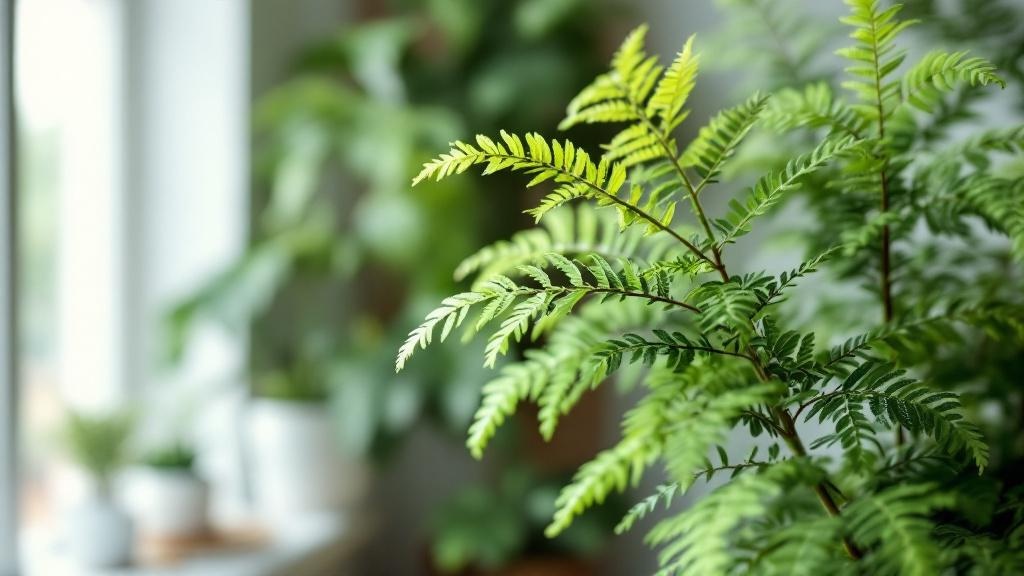
The Rabbit Foot Fern gets its charming name from the soft, furry rhizomes that creep over the pot edge like tiny animal paws. Native to Fiji, this epiphytic fern has become a beloved houseplant for its delicate, feathery fronds and unique texture. The most common question plant owners ask is how to keep those distinctive rhizomes healthy without rotting them. Understanding this fern's need for humidity without soggy soil is the key to success in temperate homes, especially during dry winter months when central heating runs constantly.
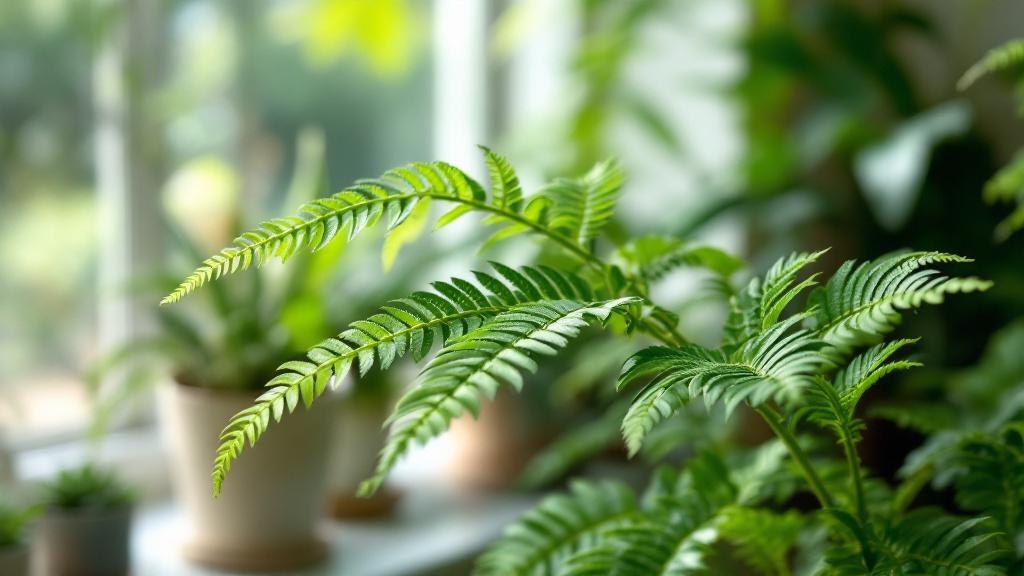
Watering Your Rabbit Foot Fern Correctly
Water your Rabbit Foot Fern when the top 2-3 cm of soil feels dry, typically every 5-7 days in spring and summer, extending to 10-14 days from November through February. Always water the soil directly, avoiding the furry rhizomes which can rot if kept consistently wet. Use room-temperature rainwater or filtered water if your tap water is heavily chlorinated, as this fern is sensitive to mineral buildup.
Light Requirements for Davallia fejeensis
Position your Rabbit Foot Fern in bright indirect light, such as a north-facing window or set back from an east-facing window. Direct summer sun will scorch the delicate fronds, causing brown, crispy edges within days. This fern tolerates lower light conditions better than many houseplants, making it suitable for bathrooms or shaded corners, though growth will slow considerably in deep shade.
Soil and Repotting Guidelines
Use a loose, chunky mix designed for epiphytes — combine standard houseplant compost with orchid bark and perlite in equal parts. Repot only when rhizomes have completely covered the soil surface, typically every 2-3 years in April or May. Choose shallow, wide pots or hanging baskets that allow the rhizomes to cascade naturally. When repotting, keep rhizomes resting on top of the soil, never buried beneath it.
Temperature and Humidity Needs
Maintain temperatures between 15-24°C year-round, keeping your fern away from cold draughts near windows in winter and radiator heat. Humidity is crucial — aim for 50-60% relative humidity, which is challenging in centrally heated homes from October to March. Group plants together, use a pebble tray filled with water beneath the pot, or run a humidifier nearby. Misting the fronds daily helps but does not replace consistent ambient humidity.
Fertilizing Through the Growing Season
Feed with a balanced liquid fertilizer diluted to half strength every 3-4 weeks from April through September. Stop fertilizing entirely from October to March when growth naturally slows in lower light conditions. Over-fertilizing causes salt buildup that damages the sensitive rhizomes, so less is always safer with this species. Flush the soil with plain water every few months to prevent mineral accumulation.
Common Problems and How to Fix Them
Brown, crispy frond tips indicate low humidity — increase moisture around the plant immediately and trim damaged portions. Scale insects and mealybugs occasionally appear, especially on stressed plants during winter; wipe them off with a cotton bud dipped in rubbing alcohol and improve air circulation. Soft, mushy rhizomes signal overwatering or water sitting on the furry surface — cut away affected portions with a clean blade and reduce watering frequency immediately.
Frequently asked questions
How often should I water a Rabbit Foot Fern?
Water every 5-7 days during the growing season when the top few centimetres of soil are dry. In winter, reduce to every 10-14 days as growth slows. Always check soil moisture before watering rather than following a rigid schedule.
Why are my Rabbit Foot Fern leaves turning brown?
Brown leaf tips are almost always caused by low humidity, which is common in heated homes during winter. Increase humidity with a pebble tray or humidifier, and ensure the plant is not near a radiator or heating vent. Brown patches in the middle of fronds may indicate sunburn from direct light.
Is Rabbit Foot Fern toxic to cats?
No, the Rabbit Foot Fern is non-toxic to cats and dogs according to the ASPCA. The furry rhizomes may attract curious pets, but ingestion typically causes no harm. However, any plant material can cause mild stomach upset if eaten in large quantities.
How do I propagate Rabbit Foot Fern?
Propagate by cutting a section of rhizome with at least one frond attached in late spring. Pin the rhizome onto moist sphagnum moss or a suitable soil mix without burying it. Keep humidity high with a clear plastic cover until new growth appears, typically within 4-6 weeks.
Can Rabbit Foot Fern grow in low light?
Yes, Rabbit Foot Fern tolerates lower light better than many ferns, though growth will be slower and fronds may become sparser. For best results, provide bright indirect light such as a north-facing window. Avoid deep shade for extended periods as the plant will eventually decline.