Kalanchoe
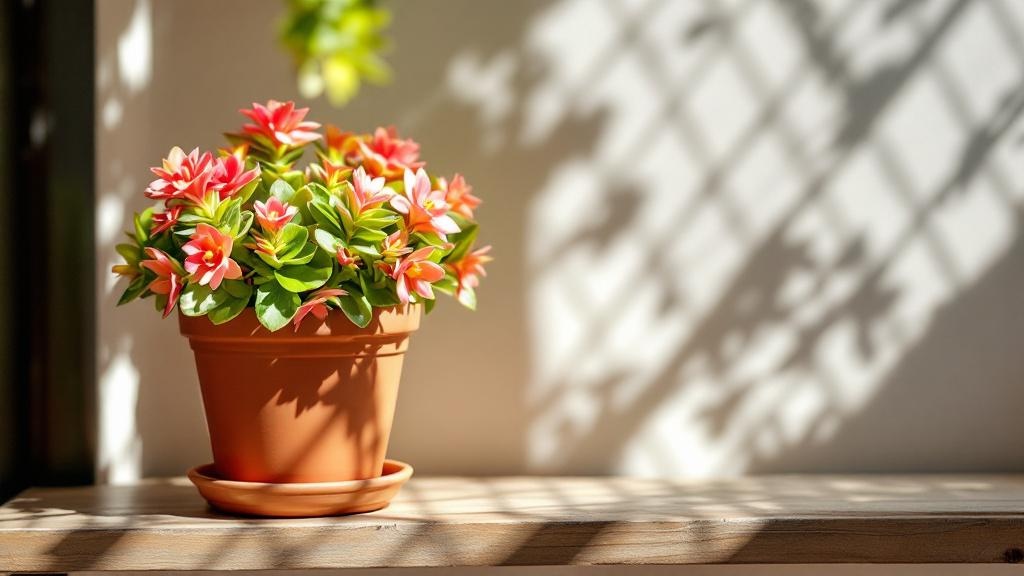
Kalanchoe blossfeldiana is beloved by indoor gardeners for its stunning, densely-packed flower clusters that bloom throughout winter and spring. This succulent is remarkably low-maintenance but growers often struggle with poor flowering or overwatering. Learning the specific light and dormancy requirements will unlock consistent blooms year after year.
Watering Your Kalanchoe
Kalanchoe stores water in its thick leaves, so overwatering is the most common killer. Water thoroughly only when the top 1-2 inches of soil feel completely dry — typically every 10-14 days in spring and summer, but reduce to once monthly in winter dormancy. In temperate climates, winter indoors often means less frequent watering due to cooler temperatures and lower light. Always err on the side of underwatering; yellow, mushy leaves signal root rot from excess moisture.
Light Requirements for Blooming
Kalanchoe demands bright light to produce its signature flower clusters. Position it on an east, west, or south-facing windowsill where it receives 6 or more hours of direct or bright indirect sun daily. In darker corners, plants grow tall and weak with few or no flowers. During winter months in northern temperate zones, maximize available daylight; if kept in poor light from November to February, the plant won't set flower buds for spring blooming.
Soil and Repotting
Use well-draining succulent or cactus soil mix — potting soil alone will retain too much moisture and cause rot. Repot only every 2-3 years in spring, moving up just one pot size; kalanchoe is a slow grower and prefers snug conditions. Ensure the pot has a drainage hole and use terracotta if possible, as it breathes and dries faster than plastic. Fresh soil refreshes nutrients and improves drainage.
Temperature and Humidity
Kalanchoe thrives in typical indoor room temperatures of 60-75°F (15-24°C) and actually benefits from cooler nights in autumn to trigger flower bud formation. It tolerates brief exposure to 50°F (10°C) without damage. Humidity is not a concern — this succulent prefers dry air and actually suffers in high humidity, which increases fungal and pest problems. Ensure good air circulation around the plant, especially in winter.
Fertilizing Kalanchoe
Feed only during the active growing season: spring through early autumn. Apply a diluted balanced fertilizer (or one slightly higher in phosphorus for blooming) every 4-6 weeks. Reduce fertilizing in late autumn and stop entirely from November through February during dormancy — over-feeding in winter encourages weak, leafy growth instead of flowers. Never fertilize a stressed or newly repotted plant.
Common Problems and Solutions
Root rot from overwatering is the most frequent issue — check soil moisture before watering and ensure drainage holes are clear. Mealybugs and scale insects occasionally infest kalanchoe, especially in warm, dry indoor conditions; inspect regularly and treat with neem oil or horticultural soap if spotted. Poor or no flowering usually means insufficient light or insufficient cool dormancy in winter; move the plant to a brighter location and let it experience natural cooler temperatures (60-65°F / 15-18°C) from October onwards to set buds.
Frequently asked questions
How often should I water my kalanchoe?
Water every 10-14 days in spring and summer when the top 1-2 inches of soil are dry; reduce to once a month or even less in winter. Kalanchoe stores water in its leaves, so underwatering is far safer than overwatering.
Why isn't my kalanchoe flowering?
Lack of blooms usually means insufficient light or inadequate cool dormancy in winter. Move your plant to a very bright spot (6+ hours direct sun) and allow temperatures to drop to 60-65°F (15-18°C) from October to February to trigger flower bud formation.
Can I keep kalanchoe outdoors in temperate climates?
Yes, kalanchoe thrives outdoors in USDA zones 10-11, but in colder temperate zones (5-8), grow it in a pot and bring it indoors before the first frost in October. It will not survive freezing temperatures outdoors.
Is kalanchoe toxic to cats and dogs?
Yes, kalanchoe is mildly toxic to cats and dogs and causes gastrointestinal upset if ingested. Keep the plant out of reach of curious pets, especially kittens and puppies.
What does overwatering look like on a kalanchoe?
Overwatered kalanchoe develops yellow or translucent, mushy leaves and soft stems — a sign of root rot. If caught early, stop watering immediately, repot into fresh dry soil, and place in a warm, bright location to allow it to recover.