String of Pearls
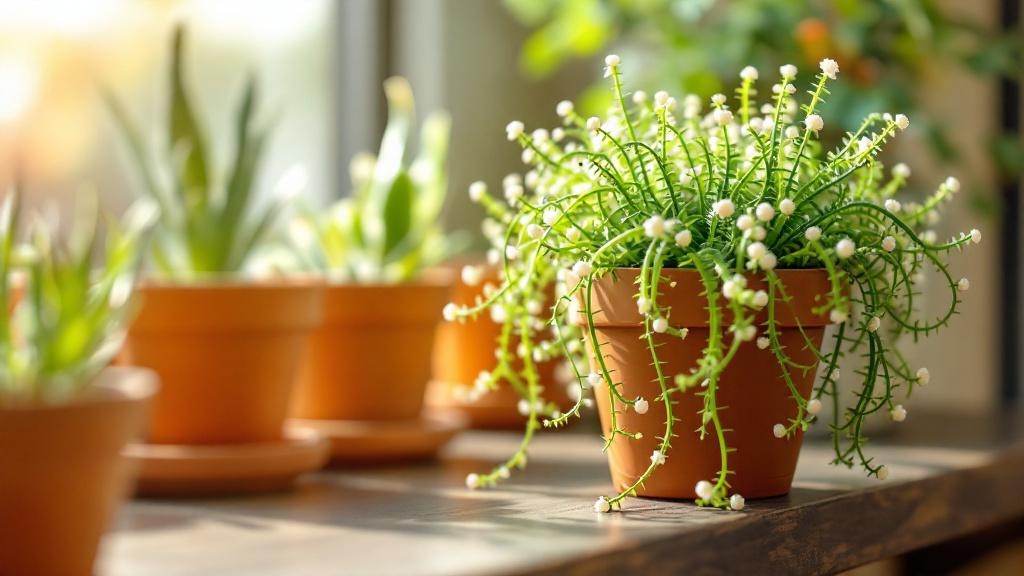
String of Pearls is a beloved trailing succulent that brings a unique texture to any indoor space with its distinctive pearl-shaped leaves. Native to South Africa, this plant is relatively low-maintenance but does have specific light and watering needs. The most common question gardeners ask is why their String of Pearls loses its beads or becomes leggy—understanding its light requirements is key to keeping it full and healthy year-round.
Watering String of Pearls
String of Pearls is drought-tolerant and prefers to dry out between waterings. During spring and summer, water every 2-3 weeks when the top 2cm of soil feels completely dry. In autumn and winter, reduce watering to every 3-4 weeks as growth slows and the plant needs less moisture. Overwatering is the primary cause of root rot in this succulent, so err on the side of underwatering if unsure.
Light Requirements for String of Pearls
String of Pearls thrives in bright, indirect light and will actually benefit from 3-4 hours of direct morning sun daily, especially in temperate climates where winter light is limited. Without sufficient light, the plant becomes sparse and loses its characteristic pearlescent appearance. Place it near a south or west-facing window, or use a bright shelf away from direct afternoon heat during hot summers. If leaves start to thin or elongate, increase light exposure immediately.
Soil and Repotting String of Pearls
Use a well-draining succulent or cactus potting mix to prevent root rot. You can improve standard potting soil by adding 30% perlite or pumice. Repot every 12-18 months in spring when the plant outgrows its container, or if soil becomes compacted. Choose a pot with drainage holes and only move up one size to avoid excess moisture retention. String of Pearls also roots easily in water propagation if you want to expand your collection.
Temperature and Humidity for String of Pearls
String of Pearls prefers temperatures between 15-25°C and should be protected from temperatures below 10°C, which will damage foliage. In temperate regions, bring potted specimens indoors before the first frost in October and keep them in a cool, bright window through winter. This plant doesn't require high humidity and actually prefers dry air, so avoid misting. A brief cold period in winter (10-15°C) can encourage spring growth.
Fertilizing String of Pearls
Feed String of Pearls sparingly during the growing season (April to August) with a diluted balanced or succulent-specific fertilizer every 4-6 weeks. Reduce feeding in autumn and skip entirely in winter when growth stops. Overfeeding encourages soft growth susceptible to pests and disease, so less is better with this plant. Liquid fertilizer diluted to half strength works best for succulents.
Common Problems with String of Pearls
Root rot from overwatering is the most serious issue; symptoms include mushy stems and a foul smell. If caught early, remove the plant from soil, cut away affected roots with clean scissors, and repot into fresh, dry soil. Mealybugs and spider mites are common indoor pests in temperate climates; treat infestations with neem oil spray or insecticidal soap weekly until resolved. Leaf loss and sparse growth almost always indicate insufficient light or irregular watering—adjust care conditions rather than replacing the plant.
Frequently asked questions
How often should I water String of Pearls?
Water every 2-3 weeks in spring and summer, allowing the soil to dry completely between waterings. In autumn and winter, reduce frequency to every 3-4 weeks. Always check that the top 2cm of soil is dry before watering to prevent root rot.
Why is my String of Pearls losing beads?
Bead drop is usually caused by inconsistent watering, especially sudden overwatering or drought stress. Check your light levels too—insufficient light causes the plant to shed leaves as it conserves energy. Establish a consistent watering schedule and ensure the plant receives at least bright, indirect light daily.
Can String of Pearls survive in low light?
String of Pearls will tolerate lower light temporarily but will become sparse and leggy without sufficient brightness. It needs bright, indirect light daily and benefits from a few hours of direct morning sun for optimal density and pearl shape. Move it to a brighter location if growth slows or spacing between beads increases.
Is String of Pearls toxic to cats and dogs?
Yes, String of Pearls is mildly toxic to cats and dogs and can cause mild gastrointestinal upset if ingested. Keep the plant out of reach of curious pets or choose a high shelf, hanging basket, or room they don't frequent. Symptoms are typically mild but contact a vet if your pet shows signs of vomiting or lethargy.
When should I repot my String of Pearls?
Repot String of Pearls every 12-18 months in spring or early summer when growth resumes. Only increase pot size by one size to avoid excess soil moisture. If the plant is growing well in its current container, you can skip repotting; this succulent actually prefers slightly snug conditions.