Common Snowberry
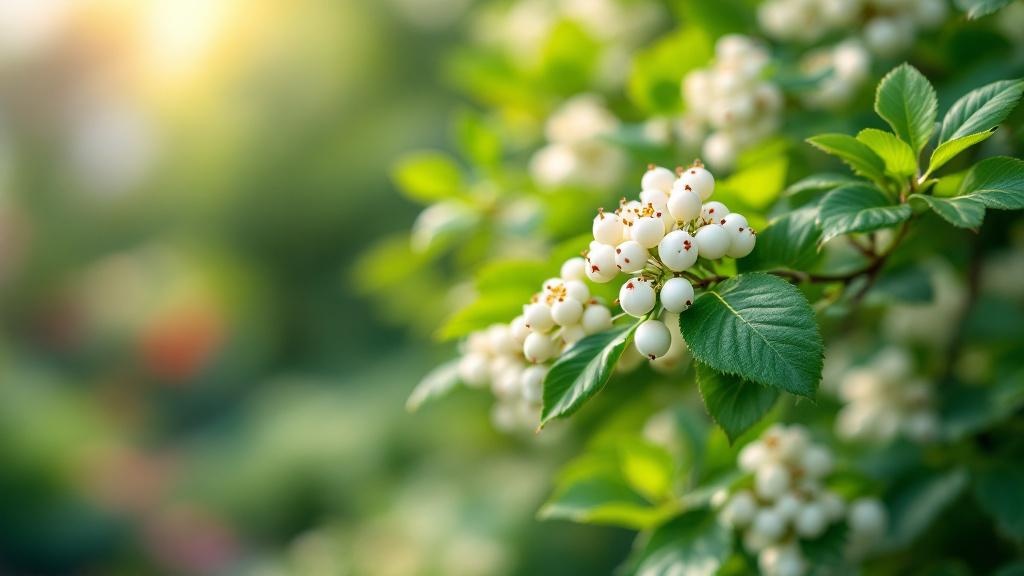
Common Snowberry captivates gardeners with its clusters of porcelain-white berries that light up the autumn and winter garden when little else offers visual interest. Native to North America but perfectly suited to temperate European and UK gardens, this adaptable shrub answers the most common question gardeners ask: how do I fill that difficult shady spot where nothing else grows? Snowberry thrives in poor soil, tolerates pollution, and provides essential winter food for birds.
Watering Your Common Snowberry
Water newly planted snowberries weekly during their first growing season from April through September. Once established after one year, snowberry is remarkably drought-tolerant and rarely needs supplemental watering except during extended dry spells. In hot summers, a deep soaking every 2-3 weeks helps maintain berry production. Avoid waterlogged conditions as this is one of the few situations that can damage this otherwise indestructible shrub.
Light Requirements for Snowberry
Common Snowberry performs admirably in almost any light condition, from full sun to deep shade. For the best berry production and denser growth, aim for partial shade with 3-4 hours of direct sunlight. In full shade, the shrub remains healthy but produces fewer berries and grows more openly. This exceptional shade tolerance makes snowberry ideal for planting under established trees or on north-facing borders.
Soil and Repotting Snowberry Shrubs
Snowberry thrives in virtually any soil type, including heavy clay, chalky ground, and poor sandy soils that defeat most ornamental shrubs. No soil amendment is necessary at planting time. For container growing, use any standard multipurpose compost and repot every 2-3 years in early March before growth resumes. In garden settings, snowberry spreads via suckers to form thickets, which can be divided in late autumn to create new plants.
Temperature and Humidity for Snowberry
Fully hardy throughout temperate regions, Common Snowberry tolerates winter temperatures down to minus 35C without protection. It handles frost, wind exposure, and coastal salt spray without complaint. Humidity is not a concern for this adaptable shrub. Late spring frosts occasionally damage early flowers, but the plant quickly recovers with secondary blooms.
Fertilizing Common Snowberry
This undemanding shrub rarely requires fertilizing, especially when planted in average garden soil. For shrubs in poor sandy soil or containers, apply a balanced slow-release fertilizer in April as new growth begins. Avoid high-nitrogen feeds which promote leafy growth at the expense of flowers and berries. A light mulch of garden compost in autumn provides all the nutrients most snowberries need.
Common Problems with Snowberry
Powdery mildew occasionally affects snowberry during humid summers, appearing as white dusty patches on leaves from July onwards. Improve air circulation through selective pruning and remove affected growth. Aphids sometimes colonize new shoots in late spring but rarely cause serious damage. Berry anthracnose can cause fruit spotting in wet autumns. The biggest management challenge is controlling spread, as suckers can pop up several meters from the parent plant.
Frequently asked questions
Is Common Snowberry toxic to cats and dogs?
Yes, snowberry berries are mildly toxic to cats, dogs, and humans. Ingestion causes gastrointestinal upset including vomiting and diarrhea, though serious poisoning is rare because the berries taste unpleasant. Keep pets away from fallen berries and consider alternative shrubs if you have animals that chew plants.
How do I prune Common Snowberry?
Prune snowberry in late February or early March before new growth starts. Cut back one-third of the oldest stems to ground level to encourage fresh productive growth. Remove any dead wood and trim wayward branches to maintain shape. Snowberry tolerates hard renovation pruning if the shrub becomes overgrown.
Why are my snowberry leaves turning yellow?
Yellow leaves on snowberry usually indicate waterlogged soil or poor drainage. Check that water is not pooling around the roots, especially in clay soil. Autumn yellowing before leaf drop is normal. Nutrient deficiency is rarely the cause given this shrubs tolerance of poor soils.
When does Common Snowberry produce berries?
Snowberry produces its distinctive white berries from September through to late winter. Small pink-white flowers appear from June to August, followed by berry clusters that ripen in early autumn. The berries often persist on bare branches until February, providing valuable winter garden interest and bird food.
How do I stop snowberry from spreading?
Control snowberry spread by removing suckers as they appear throughout the growing season. Use a sharp spade to sever suckers at their point of origin rather than just cutting at soil level. Installing a root barrier at planting time prevents lateral spread. Regular mowing around established plants also suppresses suckering.