Sweet Potato
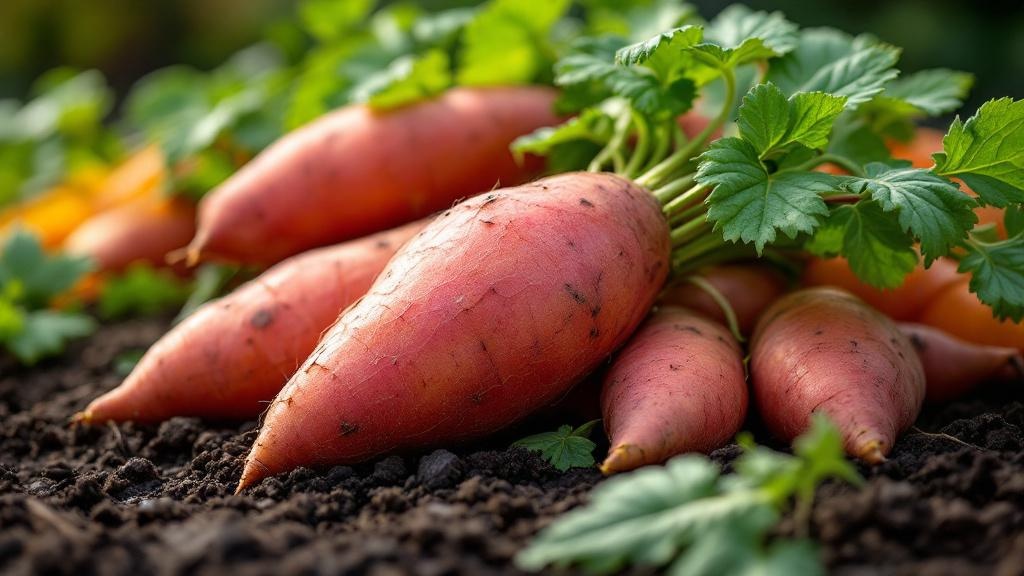
Sweet potatoes bring tropical abundance to temperate gardens, offering both edible tubers and attractive trailing vines. The most common question gardeners ask is whether sweet potatoes can actually grow in cooler climates — and the answer is yes, with proper timing. By starting slips indoors in March and transplanting after the last frost, home gardeners in USDA zones 5-8 can harvest generous yields of this nutritious, versatile crop by autumn.
Watering Sweet Potatoes for Healthy Tuber Development
Water deeply once per week, providing about 2-3 cm of water to encourage deep root growth. Reduce watering in September as harvest approaches to prevent tubers from cracking or rotting. Sweet potatoes are drought-tolerant once established but produce better yields with consistent moisture during the first 6 weeks after transplanting. Avoid overhead watering to reduce fungal disease risk.
Light Requirements for Maximum Sweet Potato Yield
Sweet potatoes require full sun with a minimum of 6 hours of direct sunlight daily, though 8-10 hours produces the best harvests. In temperate climates, choose the warmest, sunniest spot in your garden, ideally a south-facing bed. The vines will sprawl considerably, so ensure surrounding plants won't shade them as summer progresses.
Soil Preparation and Growing Beds for Sweet Potatoes
Plant in loose, sandy loam with a pH between 5.8 and 6.5 — heavy clay soils produce misshapen tubers. Create raised beds or ridges 20-30 cm high to improve drainage and warm the soil faster in spring. Avoid high-nitrogen soils or fresh manure, which promote vine growth at the expense of tubers. Prepare beds in late April, covering with black plastic mulch to pre-warm the soil before planting.
Temperature Management in Temperate Climates
Sweet potatoes need soil temperatures above 15°C for planting, typically achieved by late May or early June in zones 5-8. Use black plastic mulch or cloches to warm soil 2-3 weeks before transplanting slips. Plants die at the first frost, so monitor September weather forecasts carefully. In cooler summers, row covers can boost temperatures and extend the growing season.
Fertilizing Sweet Potatoes Without Sacrificing Tubers
Apply a balanced 5-10-10 fertilizer at planting time, working it into the soil before setting slips. Avoid high-nitrogen feeds after June, as excess nitrogen produces lush vines but small tubers. Side-dress with potassium-rich fertilizer in mid-July to support tuber development. One application at planting is often sufficient in reasonably fertile garden soil.
Common Sweet Potato Problems in Temperate Gardens
Slugs are the primary pest in UK and Central European gardens, damaging both leaves and tubers — use beer traps or iron phosphate pellets from May onwards. Wireworms bore holes in tubers, particularly in beds recently converted from lawn; harvest promptly and rotate planting locations annually. Black rot appears as dark, sunken spots on tubers, often from infected slips — only purchase certified disease-free planting material and cure tubers properly after harvest.
Frequently asked questions
How long does it take to grow sweet potatoes from slips?
Sweet potatoes take 90-120 days from transplanting slips to harvest. In temperate climates, plant slips in late May or early June after soil warms, and harvest before the first autumn frost, typically in late September or early October.
Why are my sweet potato leaves turning yellow?
Yellow leaves usually indicate overwatering or poor drainage causing root stress. Check that soil drains freely and reduce watering frequency. Nitrogen deficiency can also cause yellowing — if drainage is adequate, apply a balanced fertilizer. Some yellowing is normal as plants approach harvest in autumn.
When should I harvest sweet potatoes in the UK?
Harvest sweet potatoes in late September to early October, before the first frost damages tubers. Dig carefully when vines begin yellowing or immediately after a light frost kills the foliage. Tubers bruise easily, so use a garden fork at least 30 cm from the plant base.
Can I grow sweet potatoes in pots?
Yes, sweet potatoes grow well in large containers of at least 40 litres. Use loose, well-draining potting mix and place pots in the sunniest location possible. Container-grown plants need more frequent watering but offer the advantage of portable warmth — move pots to sheltered spots during cool spells.
How do I start sweet potato slips at home?
Start slips in March by suspending a sweet potato halfway in water using toothpicks, or burying it partially in moist potting compost. Place in a warm location around 21°C with bright light. Slips emerge in 4-6 weeks and can be separated when 15-20 cm long, rooted in water, then hardened off before planting outdoors.