Columbine
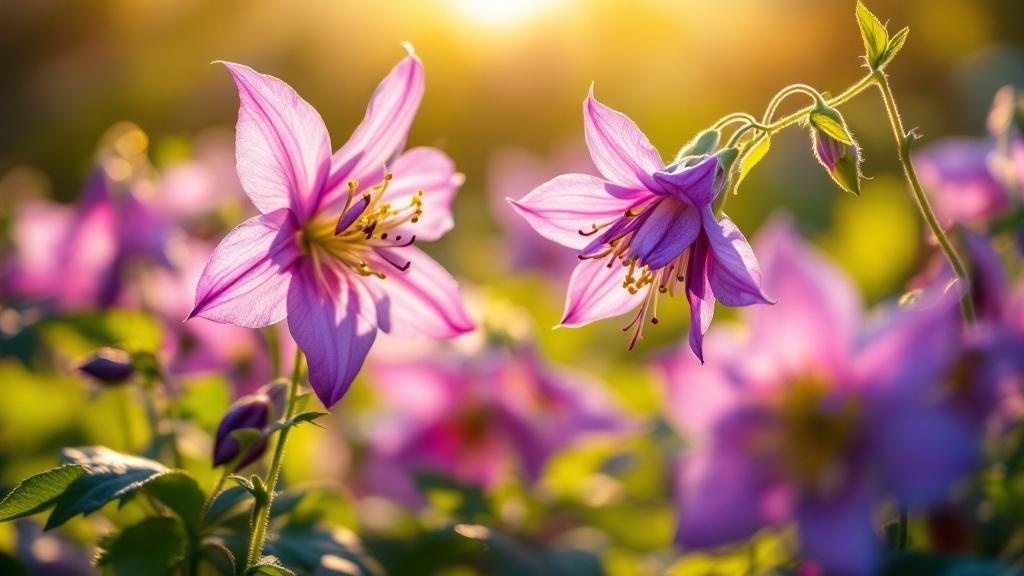
Columbine captivates gardeners with its delicate, nodding flowers featuring distinctive backward-pointing spurs that attract hummingbirds and bees. Native to meadows and woodland edges, this perennial is a staple of cottage gardens across temperate regions. The most common question gardeners ask is why their columbine leaves develop pale, winding trails — a telltale sign of leaf miners, one of this plant's few persistent challenges. Understanding columbine's woodland origins is key to providing the right care.
Watering Your Columbine: Finding the Right Balance
Water columbine deeply once per week during the active growing season from April through July, allowing the top 5cm of soil to dry between waterings. Reduce watering to every 10-14 days once flowering finishes in midsummer. Newly planted columbines need consistent moisture for the first growing season to establish strong root systems. Mulch around the base in late autumn to retain moisture and protect roots through winter.
Light Requirements: The Woodland Edge Sweet Spot
Columbine performs best in dappled shade or morning sun with afternoon shade, mimicking its natural woodland edge habitat. In cooler areas of zones 5-6, plants tolerate full sun if soil stays consistently moist. South-facing positions with intense afternoon sun cause premature leaf scorching and shortened bloom periods. East-facing garden beds or beneath deciduous trees provide ideal conditions.
Soil and Repotting: Creating the Perfect Foundation
Plant columbine in humus-rich, well-draining soil with a slightly acidic to neutral pH between 6.0 and 7.0. Amend heavy clay soils with compost and horticultural grit to improve drainage before planting in March or September. Container-grown columbines need repotting every 2-3 years in spring using a loam-based compost. Divide mature clumps every 3-4 years in early autumn to maintain vigor.
Temperature and Humidity: Embracing the Seasons
Columbine thrives in the temperature fluctuations of temperate climates and requires winter cold to trigger spring flowering. Plants tolerate temperatures down to minus 30 degrees Celsius once established, making them reliably perennial in zones 5-8. Average household humidity suits potted specimens, though garden plants prefer the naturally higher humidity of sheltered spots. Cut back foliage to ground level after the first hard frost in November.
Fertilizing: Less Is More
Apply a balanced slow-release fertilizer in early April as new growth emerges, using approximately 30 grams per square meter. A second light application of liquid feed after flowering in July encourages foliage health but is optional. Avoid high-nitrogen fertilizers which promote leafy growth at the expense of flowers. Top-dress with well-rotted compost in autumn to naturally enrich the soil over winter.
Common Problems: Pests and Diseases to Watch For
Columbine leaf miner is the most prevalent pest, creating distinctive serpentine white trails through leaves from May onwards — remove and destroy affected foliage promptly and clear fallen debris in autumn to break the lifecycle. Powdery mildew appears as white dusty patches during humid summers, particularly in overcrowded plantings — improve air circulation and avoid overhead watering. Aphids cluster on new growth in spring and can be dislodged with a strong water spray or treated with insecticidal soap.
Frequently asked questions
How often should I water columbine?
Water columbine once per week during the growing season from spring through early summer. Allow the top layer of soil to dry slightly between waterings. Reduce frequency after flowering finishes and during cooler autumn months.
Why are my columbine leaves turning yellow?
Yellow columbine leaves typically indicate overwatering or poor drainage causing root stress. Check that soil drains freely and reduce watering frequency. Yellowing after flowering in July is natural dieback and not cause for concern.
When does columbine bloom?
Columbine blooms from late April through June in temperate climates, with peak flowering typically occurring in May. Individual plants flower for 4-6 weeks, and deadheading spent blooms can encourage a lighter second flush. Different varieties may extend the season slightly.
Is columbine toxic to cats?
Yes, columbine is toxic to cats and dogs if ingested. All parts of the plant contain cyanogenic glycosides that cause mild to moderate gastrointestinal upset including drooling, vomiting, and diarrhea. Contact your veterinarian if you suspect your pet has eaten columbine.
Does columbine come back every year?
Yes, columbine is a reliable perennial that returns each spring in zones 5-8. Individual plants typically live 3-5 years but self-seed freely, maintaining colonies indefinitely. Allow some seed heads to mature in June to ensure natural regeneration in your garden.
🩺 Common diseases and pests
These problems commonly affect this plant. Click any to see full symptom descriptions, organic and chemical treatment, and prevention.