Tansy
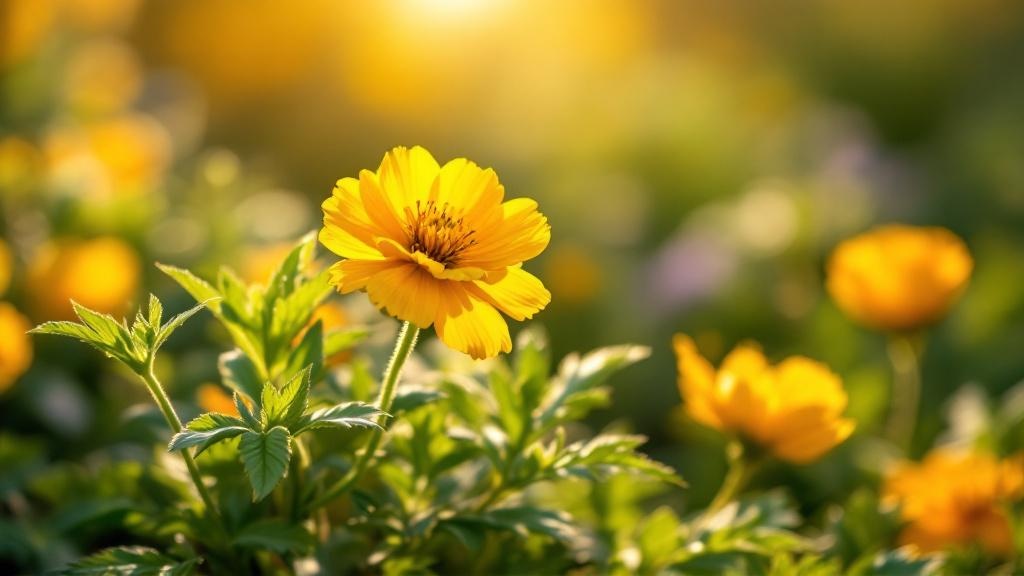
Tansy has been cultivated in European gardens for centuries, valued both for its cheerful golden blooms and its reputation as a natural insect deterrent. Home gardeners most commonly ask how to control this enthusiastic spreader while harnessing its pest-repelling benefits. Whether you want tansy for companion planting, dried flower arrangements, or simply its feathery, aromatic foliage, understanding its vigorous nature is key to successful cultivation in zones 5 through 8.
Watering Tansy: Less Is More
Established tansy is remarkably drought-tolerant and rarely needs supplemental watering in temperate climates. Water newly planted tansy weekly for the first growing season to establish deep roots. Once mature, natural rainfall is typically sufficient in the UK and Central Europe. Only water during extended dry spells exceeding 2-3 weeks in summer, applying water at the base to keep foliage dry.
Light Requirements for Healthy Tansy Growth
Tansy performs best in full sun, receiving at least 6 hours of direct sunlight daily. In warmer zone 8 areas, light afternoon shade helps prevent wilting during July and August heat waves. Insufficient light leads to leggy, floppy growth and reduced flowering. Position tansy where it receives morning sun for the strongest stems and most abundant blooms from July through September.
Soil and Repotting for Tansy
Tansy thrives in average, well-drained garden soil and actually performs poorly in overly rich conditions, which encourage excessive spreading. A slightly alkaline to neutral pH of 6.5-7.5 is ideal. Container-grown tansy needs repotting every 2 years in spring, using a standard potting mix with added perlite for drainage. In-ground plants require no soil amendments beyond annual compost top-dressing in March.
Temperature and Humidity Tolerance
Tansy is exceptionally cold-hardy, surviving winters down to minus 30 degrees Celsius without protection in zones 4-8. Cut back dead stems in late February before new growth emerges. This herb tolerates typical temperate humidity levels well and rarely suffers from moisture-related diseases. In humid summers, ensure good air circulation by thinning crowded clumps in April to prevent powdery mildew.
Fertilizing Tansy Throughout the Season
Tansy requires minimal fertilization and excessive feeding promotes aggressive spreading at the expense of flowers. Apply a single dose of balanced granular fertilizer in early April as new growth begins. Container plants benefit from half-strength liquid feed monthly from May through August. Avoid high-nitrogen fertilizers which encourage lush foliage but reduce the aromatic oils that give tansy its pest-repelling properties.
Common Problems and Solutions for Tansy
Aphids may colonize young shoots in May and June; blast them off with water or apply insecticidal soap. Powdery mildew occasionally appears in humid summers, especially on crowded plants; improve air circulation and remove affected leaves. The most common issue is aggressive spreading via underground rhizomes; install root barriers 30cm deep or grow in containers to prevent tansy from overtaking neighboring plants in your garden.
Frequently asked questions
Is tansy toxic to cats and dogs?
Yes, tansy is toxic to cats, dogs, and humans if ingested. The plant contains thujone, a compound that can cause vomiting, seizures, and liver damage. Plant tansy in areas inaccessible to pets and never use it in homemade pet treatments.
How do I stop tansy from spreading in my garden?
Install a root barrier at least 30cm deep around the planting area to contain tansy's aggressive rhizomes. Alternatively, grow tansy in large containers or raised beds with solid bottoms. Divide clumps every 2-3 years in early spring and remove any shoots appearing outside the desired area immediately.
When does tansy bloom in temperate climates?
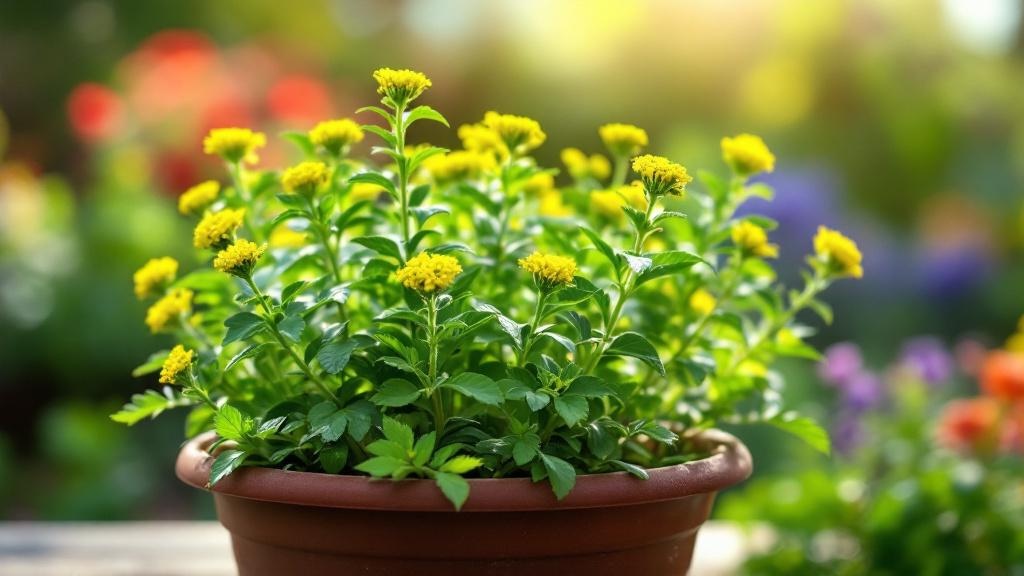
Tansy blooms from July through September in temperate zones 5-8. The bright yellow, button-like flower clusters appear on stems reaching 60-120cm tall. Deadheading spent flowers prolongs blooming and prevents self-seeding throughout your garden.
Can I use tansy as a natural pest repellent?
Tansy has traditional use as an insect deterrent, particularly against ants, flies, and moths. Plant it near doorways or patios, or dry the flowers and leaves for sachets placed in wardrobes. However, never apply tansy directly to skin or use it around food preparation areas due to its toxicity.
Why are my tansy leaves turning yellow?
Yellow tansy leaves typically indicate overwatering or poor drainage, as this herb prefers dry conditions. Check that soil drains freely and reduce watering frequency. In autumn, yellowing is natural as the plant prepares for winter dormancy; simply cut back dead growth in late February.