Dumb Cane
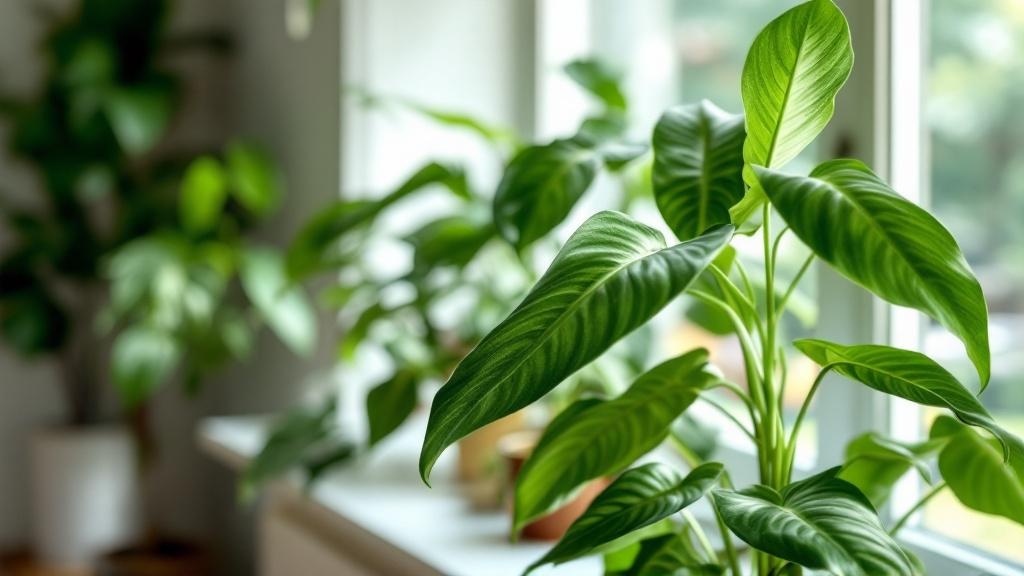
Dumb Cane stands out for its large, cream and green variegated foliage that brightens any room. Despite its exotic appearance, it thrives indoors with minimal fuss — the biggest question most owners have is why leaves turn yellow or how often to water it. This guide covers everything you need to keep your Dumb Cane healthy year-round in a temperate climate.
Watering Your Dumb Cane
Water when the top 2-3 cm of soil feels dry to the touch, roughly every 7-10 days in spring and summer. Reduce frequency in autumn and winter to every 10-14 days, as growth slows and soil dries more slowly. Use room-temperature water and always ensure pots have drainage holes to prevent waterlogging, which leads to root rot. Dumb Cane prefers slightly moist soil but will rot quickly in soggy conditions.
Light Requirements for Dumb Cane
Bright indirect light is ideal — place your Dumb Cane near a window with sheer curtains or 1-2 metres from an unshaded window. It tolerates partial shade better than many houseplants, though growth will be slower and leaf variegation less pronounced in low light. Avoid direct midday sun, which can bleach or scorch the delicate variegated leaves. Rotate the plant every 2-3 weeks for even growth.
Soil and Repotting
Use a loose, well-draining peat-based potting mix or a blend of peat, perlite, and bark to prevent water retention. Repot in late March or early April when growth resumes, moving to a pot 2-3 cm larger in diameter only if roots are circling the current pot. Repotting too often encourages leggy growth. Refresh the top 2-3 cm of soil annually without disturbing roots if the plant is stable.
Temperature and Humidity
Dumb Cane thrives between 18-25°C; avoid temperatures below 15°C, which cause leaf drop and stunt growth. It tolerates average indoor humidity, but thrives with 50-60% humidity — mist leaves weekly or place the pot on a pebble tray with water in winter when central heating dries the air. Keep away from cold drafts, heating vents, and sudden temperature swings.
Feeding and Fertilizing
Feed monthly from late March to September with a balanced liquid houseplant fertilizer diluted to half strength. Stop feeding in October and winter, when the plant enters dormancy and cannot absorb excess nutrients. Over-fertilizing causes salt buildup and brown leaf tips. Use a balanced NPK ratio (e.g., 10-10-10) rather than nitrogen-heavy formulas, which promote weak foliage.
Common Problems and Solutions
Yellow leaves often signal overwatering — check soil moisture and reduce watering frequency if soggy. Brown leaf tips indicate low humidity or salt buildup from overfertilizing; increase misting and flush soil with distilled water. Mealybugs and spider mites occasionally infest Dumb Cane indoors, especially in dry winter air — spray affected areas with insecticidal soap or neem oil every 7 days until pests clear.
Frequently asked questions
How often should I water my Dumb Cane plant?
Water every 7-10 days in spring and summer when the top 2 cm of soil is dry, and every 10-14 days in autumn and winter. Always check soil moisture before watering to avoid overwatering, which is the most common cause of root rot in Dumb Cane.
Why are my Dumb Cane leaves turning yellow?
Yellow leaves usually mean the soil is too wet or the pot lacks drainage holes. Let the soil dry out slightly between waterings and ensure the pot has drainage. If only lower, older leaves yellow, this is normal and you can remove them.
Can I grow Dumb Cane in low light?
Dumb Cane tolerates low light better than many houseplants, but growth will be very slow and leaves will lose their vibrant variegation. Bright indirect light produces the best, most colorful foliage and stronger stems.
Is Dumb Cane toxic to cats and dogs?
Yes, Dumb Cane is toxic to pets — the sap contains calcium oxalate crystals that irritate the mouth, throat, and stomach if ingested. Wash your hands after handling and keep the plant out of reach of curious pets.
When should I repot my Dumb Cane?
Repot in late March or early April when growth resumes and only if roots are circling the pot or emerging from drainage holes. Move to a pot 2-3 cm larger — repotting too often into large pots encourages weak, leggy stems.