Chinese Hibiscus
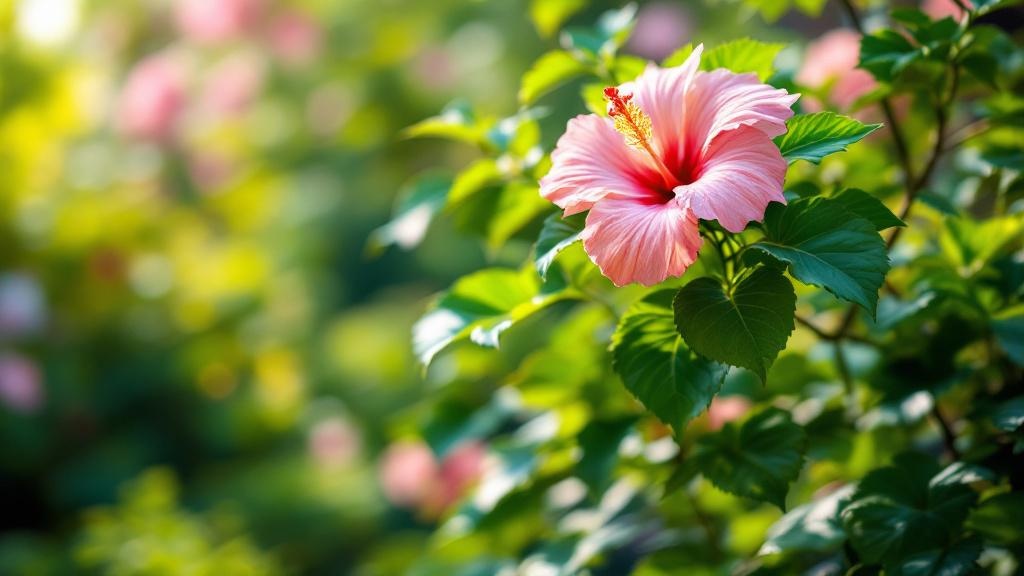
Chinese Hibiscus is beloved for its spectacular trumpet-shaped flowers that can reach 15 centimeters across, blooming in shades of red, pink, orange, yellow, and white. The most common question gardeners ask is how to keep this tropical beauty alive through cold winters. In temperate climates, success depends on treating it as a container plant that summers outdoors and winters inside. With proper care, a single plant can produce hundreds of blooms each season.
Watering Your Chinese Hibiscus Through the Seasons
During summer growing season, water every 2-3 days when the top 2 centimeters of soil feel dry. Hibiscus are thirsty plants that wilt dramatically when underwatered but recover quickly. Reduce watering to once weekly from October through February when growth slows. Always empty saucers after 30 minutes to prevent root rot, especially during winter dormancy.
Light Requirements for Maximum Blooms
Chinese Hibiscus needs at least 6 hours of direct sunlight daily to flower prolifically. In temperate climates, place containers on south-facing patios from late May through September. Indoors during winter, choose your brightest window, ideally south or west-facing. Insufficient light is the primary reason hibiscus fail to bloom or drop buds before opening.
Soil and Repotting for Healthy Roots
Use a rich, well-draining potting mix with added perlite for drainage. A mix of two parts quality potting compost to one part perlite works well. Repot every 2-3 years in early April, moving up one pot size. Hibiscus bloom best when slightly rootbound, so avoid oversized containers that encourage leaf growth over flowers.
Temperature and Humidity Needs
Chinese Hibiscus thrives between 15-30°C and must be brought indoors before night temperatures drop below 10°C, typically by late September in most temperate regions. Indoor winter humidity is challenging; mist leaves every few days or place pots on pebble trays with water. Keep plants away from radiators and cold drafts near windows.
Fertilizing for Abundant Flowers
Feed weekly with a high-potassium liquid fertilizer from April through September to encourage continuous blooming. Look for tomato fertilizer or specific hibiscus feed with an NPK ratio emphasizing potassium. Stop fertilizing completely from October to March during the winter rest period. Over-fertilizing with nitrogen produces lush leaves but few flowers.
Common Problems and Solutions
Aphids cluster on new growth and flower buds in spring and summer; treat with insecticidal soap or neem oil at first sight. Spider mites thrive in dry indoor winter conditions, causing stippled yellowing leaves; increase humidity and wash leaves regularly. Bud drop usually indicates inconsistent watering, sudden temperature changes, or moving the plant while buds are forming.
Frequently asked questions
How often should I water Chinese Hibiscus?
Water every 2-3 days in summer when the top 2 centimeters of soil are dry, and weekly during winter. Hibiscus prefer consistently moist but never waterlogged soil. They wilt quickly when thirsty but recover fast once watered.
Why are my hibiscus leaves turning yellow?
Yellow leaves typically indicate overwatering, underwatering, or nutrient deficiency. Check if the soil is soggy or bone dry. If watering is correct, feed with a balanced fertilizer, as hibiscus are heavy feeders during growing season.
When does Chinese Hibiscus bloom?
Chinese Hibiscus blooms from late spring through autumn, typically May to October in temperate climates. Each flower lasts only one to two days, but healthy plants produce new blooms continuously. Indoor plants may bloom year-round with sufficient light.
Is Chinese Hibiscus toxic to cats?
No, Chinese Hibiscus is non-toxic to cats and dogs. The ASPCA lists it as safe for pets. While eating large amounts of any plant may cause mild stomach upset, hibiscus poses no serious risk to household pets.
How do I overwinter Chinese Hibiscus indoors?
Bring your hibiscus inside before temperatures drop below 10°C, usually late September. Place in your brightest window, reduce watering to weekly, and stop fertilizing until April. Some leaf drop is normal; the plant is entering semi-dormancy.